The key facts
- Costa called EU enlargement a strategic priority of his mandate and the “best geopolitical investment” in peace and security.
- According to him, since the 2004 enlargement the EU economy has grown by more than €2 trillion, and the new member states have created 26 million jobs.
- In October, accession conferences were held with Montenegro, Albania, Ukraine and Moldova; Costa suggested Montenegro could become “the 28th member by 2028.”
Enlargement as a strategic priority
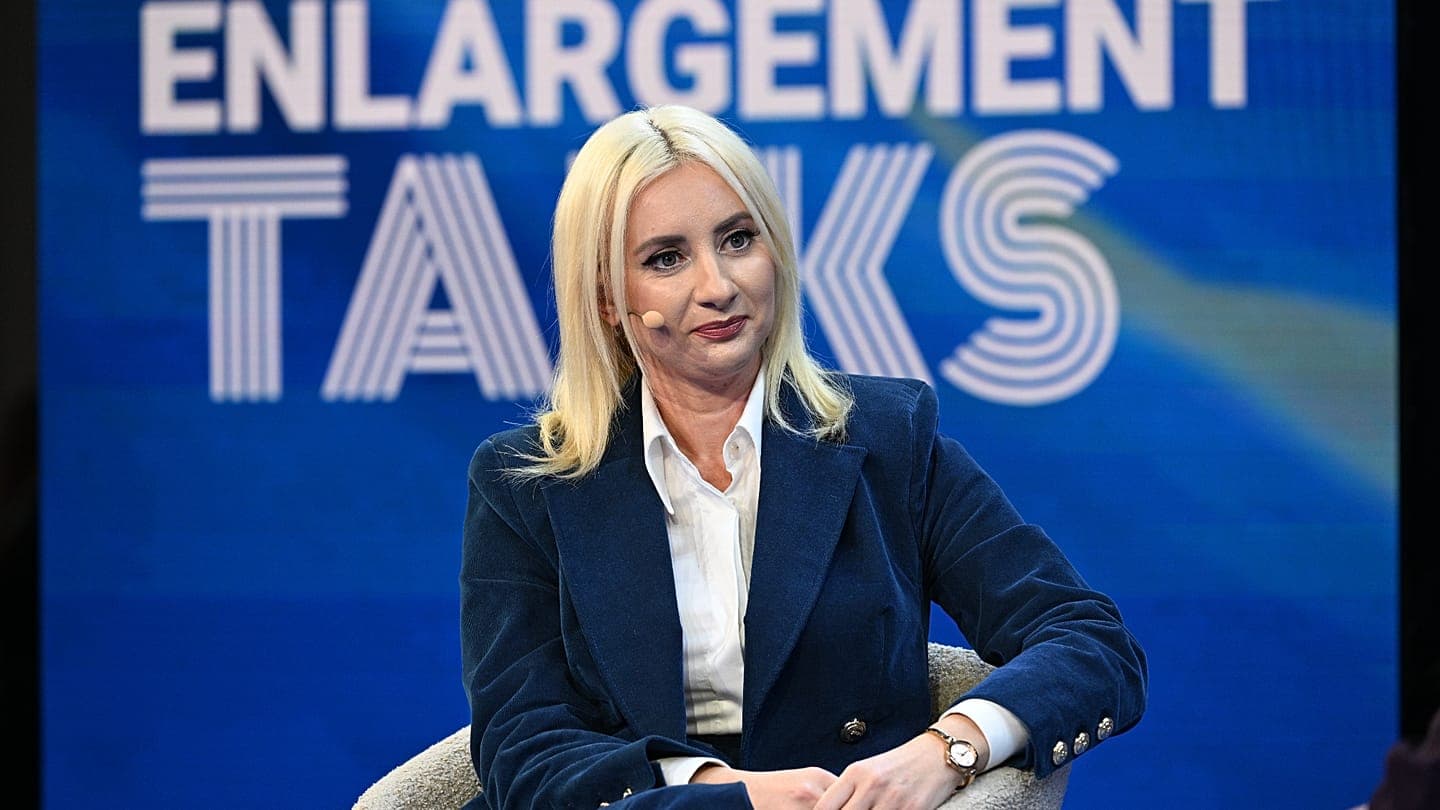
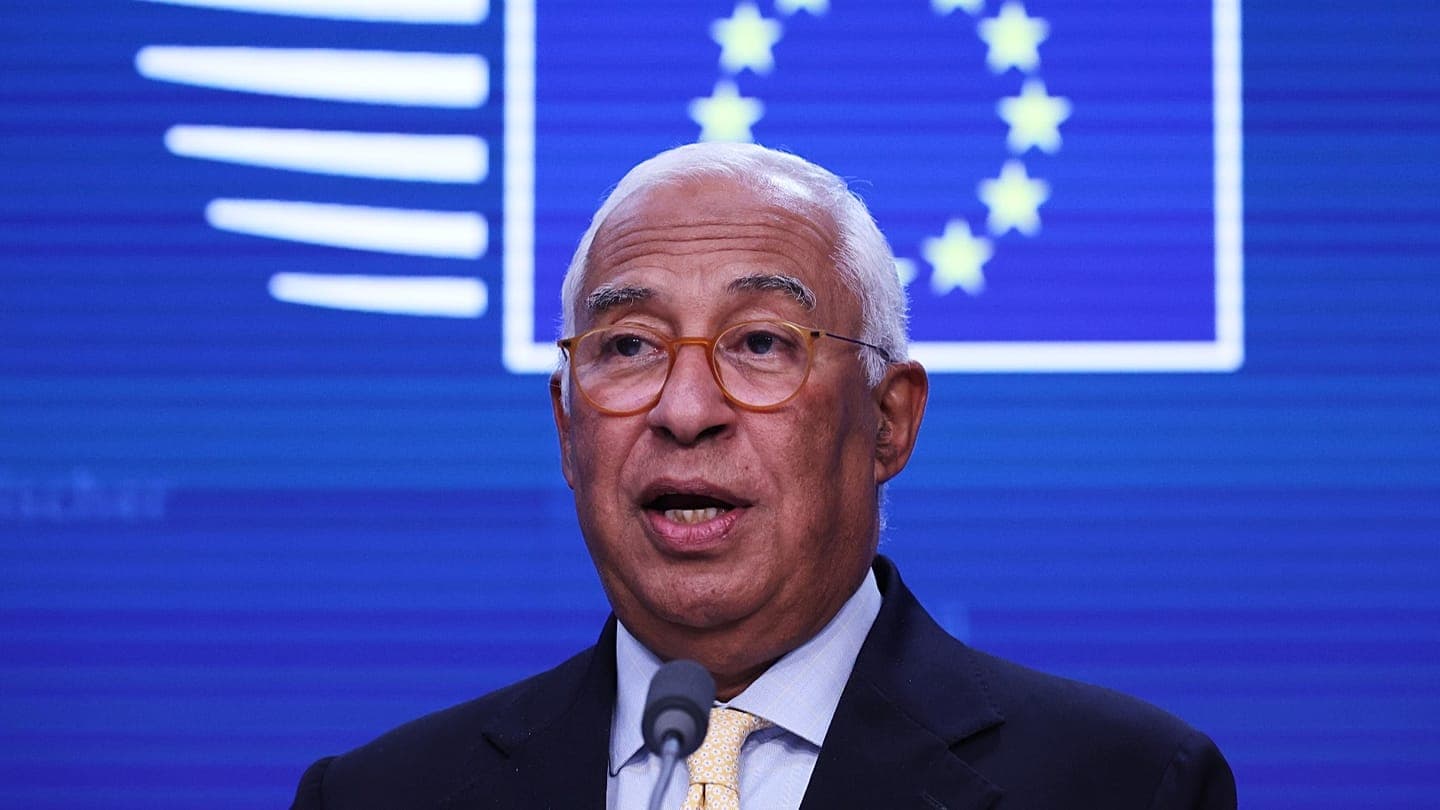
European Commission President António Costa spoke for the second time at the Euronews summitdedicated to European Union enlargement. He said that since the beginning of his mandate he has made enlargement a strategic priority, visiting all candidate countries and working with their leaders, institutions and civil society. In his assessment, enlargement is the “best geopolitical investment” Europe has made for peace, security, democracy, stability and prosperity, and in today’s uncertain environment it strengthens the EU as a geopolitical player and an economic power.
The figures of the 2004 enlargement
To support his thesis that “enlargement benefits everyone,” Costa cited data on the 2004 enlargement: since then, more than 100 million people have joined the European Union, the overall economy has grown by more than €2 trillion, and the countries of Central and Eastern Europe that joined 22 years ago have more than doubled the size of their economies. According to him, the new member states helped create 26 million jobs, more than 6 million of them in those countries themselves. Costa stressed that enlargement should be seen not as a “burden” but as an investment in shared prosperity.
Candidate progress and “the 28th by ’28”
Costa reported that in October the European Union held accession conferences with Montenegro, Albania, Ukraine and Moldova: Montenegro and Albania provisionally closed additional negotiating chapters, while Ukraine and Moldova opened negotiations on new clusters. This week, he said, Montenegro will close one more chapter, moving closer to completing negotiations on all chapters; he expressed confidence that the country could become “the 28th member by 2028.” Moldova, in Costa’s assessment, after opening all clusters will be able to move quickly toward membership, while Ukraine’s progress is especially remarkable against the backdrop of nearly five years of war with Russia. He also noted the recent elections in Serbia and the EU’s readiness to support the new government with an emphasis on the rule of law, media freedom and the fight against corruption.
Gradual integration and accession timelines
The head of the European Commission stressed that the benefits of accession should not begin only on the day of joining: candidates are already converging with the EU through gradual integration. In the Western Balkans, the Growth Plan supports investment and convergence with the single market; among the results he cited participation in the euro Single Payments Area, improvements at border crossings, transport and digital initiatives, and lower roaming charges. In his view, the future of all Western Balkan countries lies in the EU, and North Macedonia, Bosnia and Herzegovina and Kosovo could accelerate the necessary reforms; in three weeks the fourth EU–Western Balkans summit will take place. With the renewed momentum of enlargement, Costa said, Europe is entering a period in which new members could join the union “in the coming years.”