The key facts
- EU Commissioner Dan Jørgensen: about 50 million Europeans cannot adequately heat their homes
- The ministers' meeting on 29 October ended in deadlock: 13 countries demand the withdrawal of the proposal to raise the gas tax
- EU storage is 75% full versus 83% a year earlier; gas prices have exceeded €97/MWh — the highest since 2022
Deadlock at the ministerial council
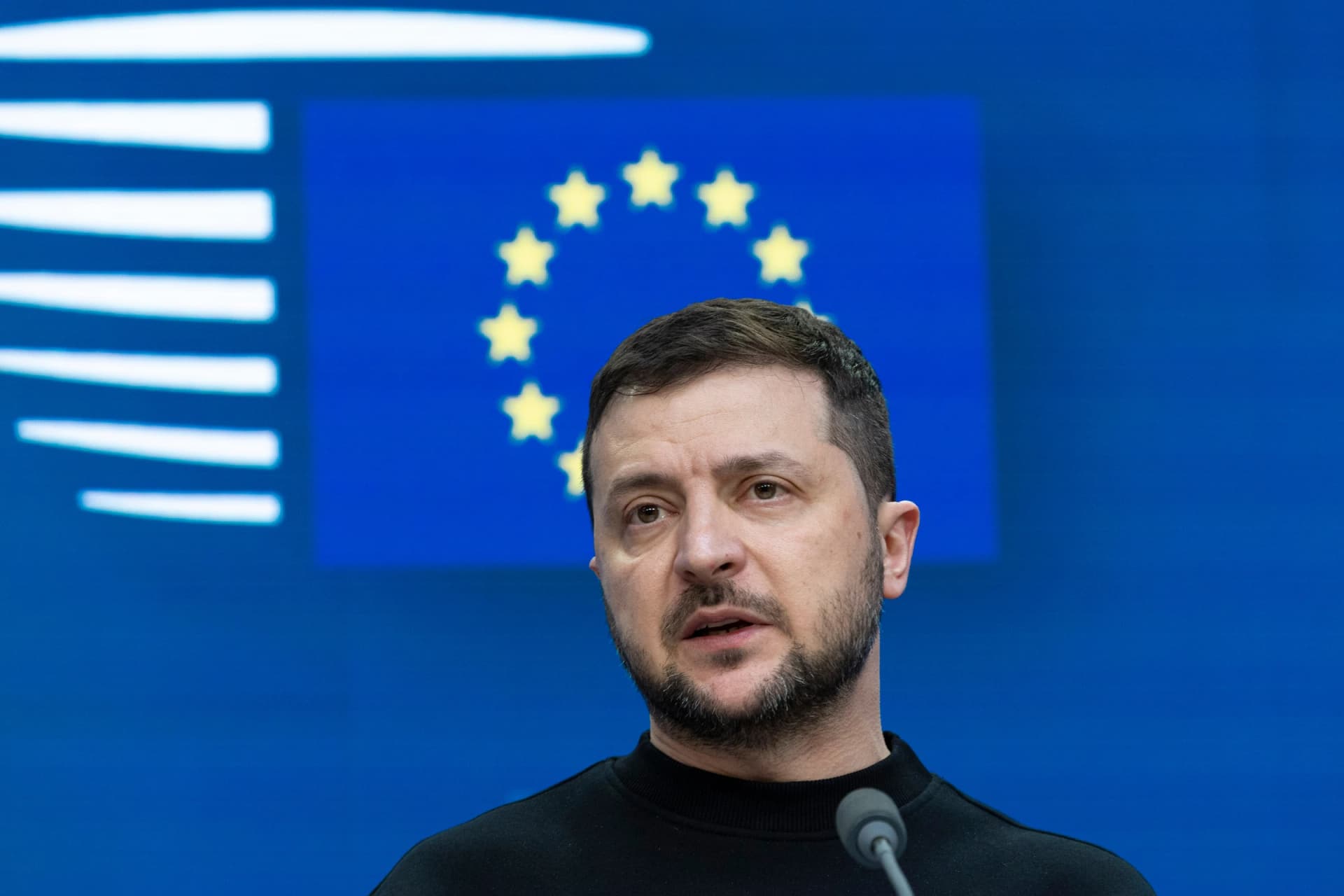
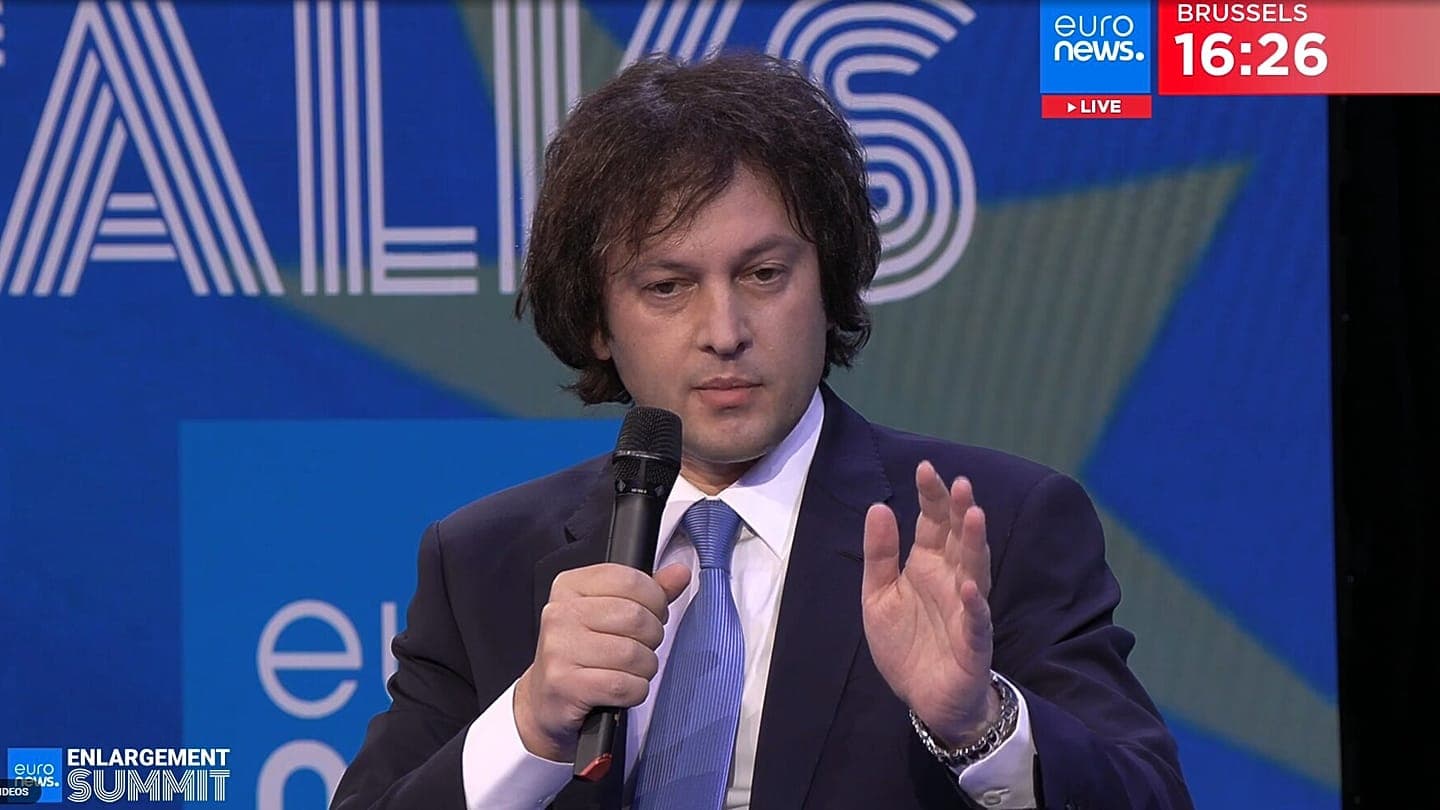
EU Energy Commissioner Dan Jørgensen warned that nearly 50 million Europeans cannot adequately heat their homes. According to Euronews, the main threat to the EU is not a shortage of oil or gas, but an economic shock that could make basic utilities unaffordable. At the meeting of energy ministers on 29 October, no agreement on consumer protection could be reached: countries split over the European Commission's proposal to raise the tax on gas to stimulate green energy, and 13 states, including Germany and Italy, demanded its withdrawal in order to protect low-income citizens. The Council postponed further action and hopes for a compromise in December 2026.
Why prices are rising
Gas prices recently exceeded €97 per MWh — the highest since 2022. Russia's share of EU gas imports fell from about 45% to around 12% by 2025, and the expiry of the Russia–Ukraine transit agreement on 31 December 2024 closed the route through which about 15 billion cubic metres flowed in 2024. Cheap pipeline gas had to be replaced with more expensive LNG, making prices dependent on global market conditions. The war in the Middle East worsened the situation: according to the International Energy Agency, LNG supplies from Qatar and the UAE fell by roughly 35 billion cubic metres from March to June 2026 compared with the same period a year earlier. As of 26 October 2026, EU storage facilities were only 75% full (Germany about 62%, the Netherlands about 65%, Italy over 90%), even though countries are normally required to reach 90% by 1 December, although the rules allow flexibility. Countries with low stocks may be forced to buy gas in winter, when demand and prices are at their highest.
What was discussed and what is proposed
The ministers discussed two issues: lowering electricity bills by changing network tariffs and preparing for possible gas supply disruptions in the winter of 2026–2027. The European Commission's proposal of 17 July 2026 concerns network charges, which make up about a quarter of the average electricity bill: the plan is to make them more transparent, encourage the use of smart meters and off-peak consumption, and equalise excise duties on electricity and gas in order to push the switch to electric heating. A number of ministers fear the rules would give the EU too much control over decisions currently made by national governments. The ban on Russian LNG remains in force in January 2027, while Italy is seeking its own price caps. The Council also stressed the importance of solidarity, including with Ukraine and Moldova.
Short-term measures versus long-term ones
According to the European Commission, EU countries have already spent €17.9 billion on short-term support measures this year, and with the extension until the end of the year the total will reach €38.6 billion. Matteo Prina of Eurac Research notes that emergency support is important for low-income families, but it strains budgets and is more sustainable when temporary. The long-term path is moving away from fossil fuels and electrification: according to ACER, renewable sources provided about half of the EU's electricity in 2025. But the effect of new capacity on household bills depends on grids, storage, taxes and tariffs, and the Parliamentary Research Service warns that artificially keeping prices low would slow the energy transition and weaken the EU in the face of future shocks. ECFR expert Noah Gordon points out that without sufficient energy storage, gas will remain necessary for peak demand, and weak interconnection prevents cheap clean energy from reaching the countries that need it.