The key facts
- Schaeffler will cut 3,460 jobs (about 3% of its global workforce of nearly 110,000) and close five sites in Europe by 2028
- Three quarters of the cuts and four of the five closures will be in Germany; savings of around 300 million euros per year from 2030
- Volkswagen previously announced cuts of around 120,000 jobs by 2030, Bosch — 13,000
Major supplier announces job cuts
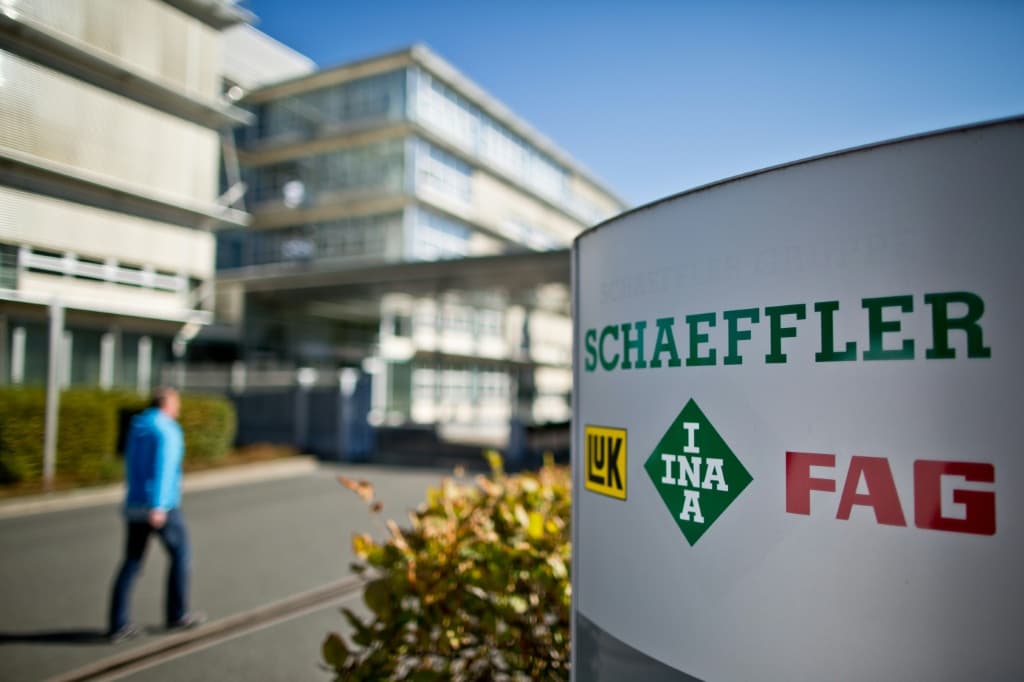
German auto parts supplier Schaeffler announced on Tuesday plans to cut nearly 3,500 jobs and close five sites in Europe amid a deepening crisis in the region's automotive industry, AFP reports. The cuts amount to 3,460 positions — about 3% of the group's global workforce of nearly 110,000 employees. They are to be completed by 2028, with annual savings of around 300 million euros (336 million dollars) from 2030.
The main burden falls on Germany
Three quarters of the cuts and four of the five site closures will be in Germany: plants in Berlin, Dortmund and two other cities in the west of the country will close, along with a small site in Belgium. The cuts will also affect facilities in France and Slovakia. The company links the concentration of measures in Germany to personnel costs that are 'above average' in Europe's largest economy. The cuts will mainly affect production, as well as research and development.
Reasons: weak demand and competition
Schaeffler said it is responding to the 'continuing difficult situation in the automotive industry': the market is seeing an overall downturn and intensifying competition, characterized by weakening demand for internal combustion engine vehicles and a delayed rollout of electromobility. The group, which produces among other things ball bearings and components for electric vehicles, is facing competitive pressure, especially from Chinese manufacturers. The company expects to offset part of the job losses by creating positions in 'promising areas' such as humanoid robotics and the defense industry.
The crisis affects the entire supply chain
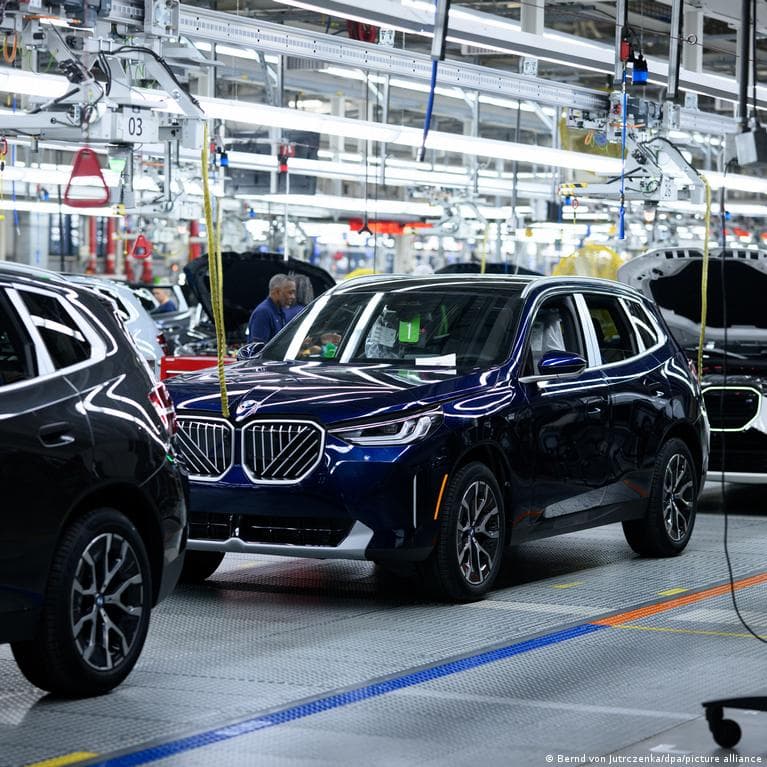
Although suppliers are less well known than automotive giants like Volkswagen, BMW and Mercedes, they form a key part of the German automotive ecosystem — from braking systems to automotive electronics. According to AFP, as their clients sink into crisis, battling Chinese competition, high production costs at home and weakening demand, the suppliers are suffering serious damage: Volkswagen plans to cut around 120,000 jobs across its brands by 2030, while Bosch, the world's largest auto parts supplier, announced 13,000 cuts last year, mostly in its automotive division. Schaeffler's announcement fits into this picture and shows that the wave of layoffs is spreading further along the supply chain.