The key facts
- Sputnik 2 was launched on November 3, 1957, a month after the first satellite, to mark the 40th anniversary of the October Revolution
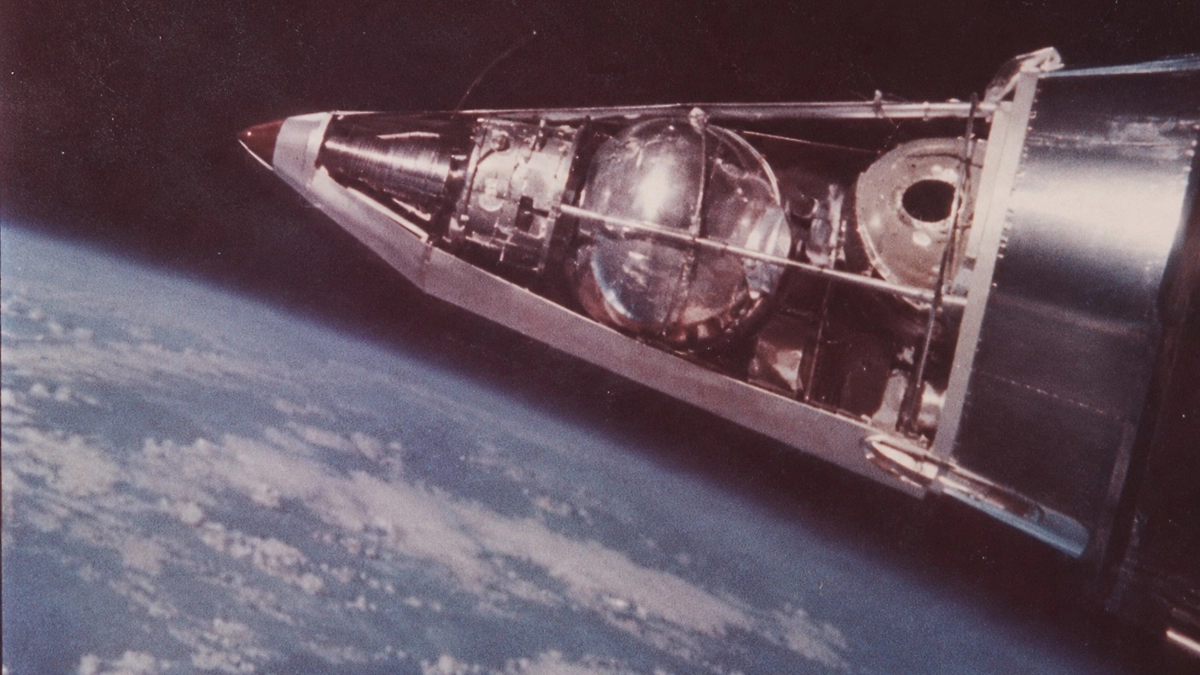
- The spacecraft had no descent system: Laika's return was never planned
- The craft had no descent system: Laika's return was never planned
- According to IMBP data published in 2002, the dog died from cabin overheating several hours after launch, although the version of a week in orbit prevailed for a long time
- According to IMBP data published in 2002, the dog died from cabin overheating several hours after launch, although for a long time the version of a week in orbit prevailed
A rushed launch for the revolution anniversary
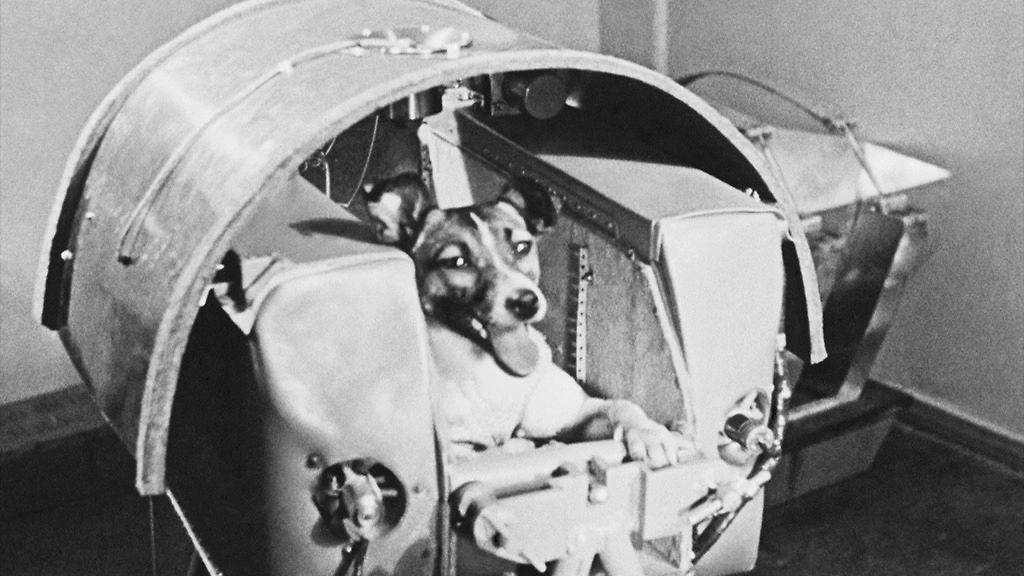
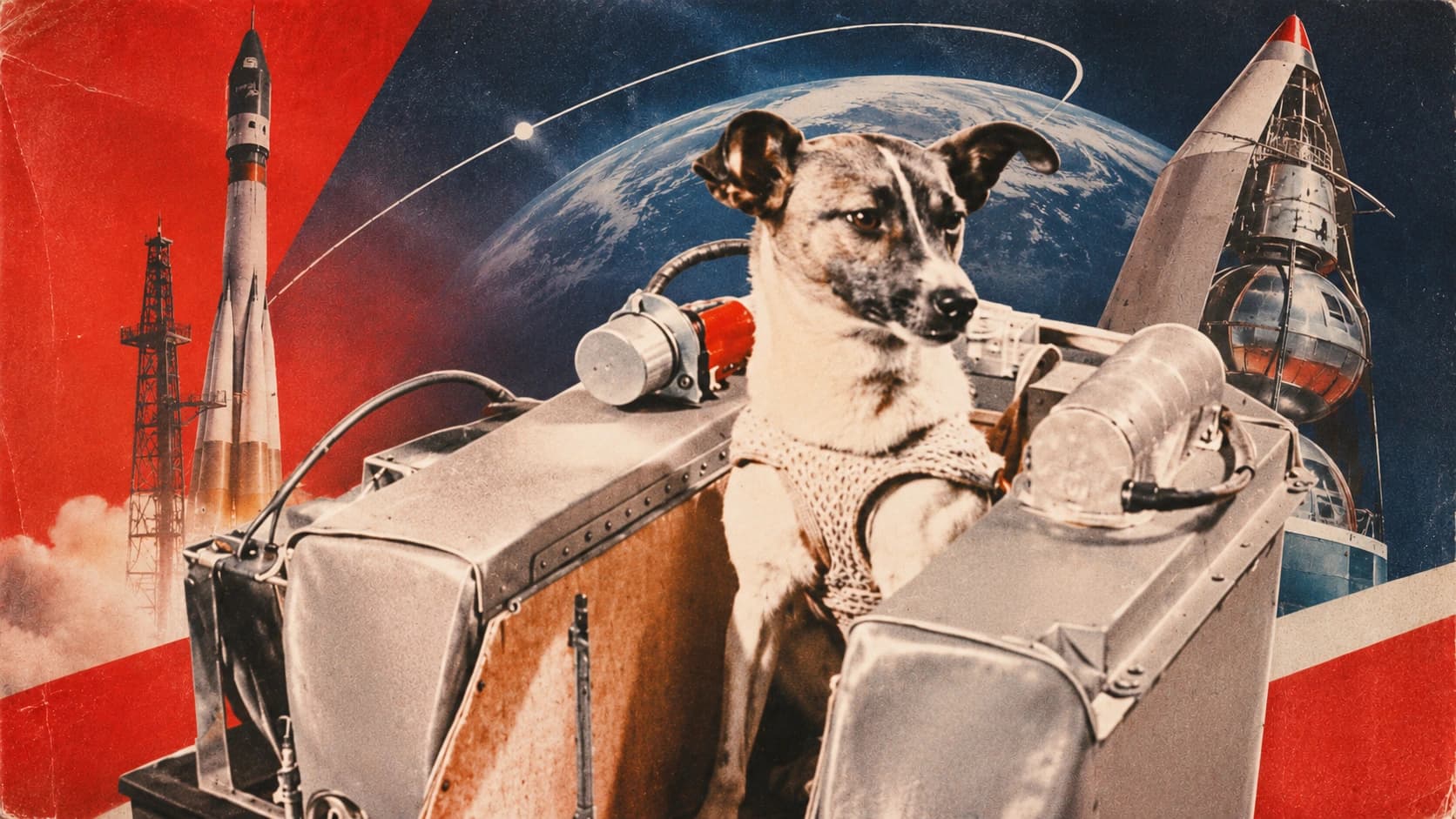
On November 3, 2026, 69 years will have passed since the launch of Sputnik 2 — the spacecraft aboard which the dog Laika became the first living creature in Earth orbit. The circumstances of that flight were described in detail by Life.ru. The decision to prepare a second satellite was made on October 12, 1957 — the day after the successful launch of the first artificial Earth satellite. The launch was timed to the 40th anniversary of the October Revolution, celebrated on November 7, so just over three weeks remained to assemble the spacecraft. According to the recollections of project participant Pyotr Kriss, some parts were made from pencil sketches. The main problem, however, was not the deadline: the dog was to be launched before anyone had learned how to return it safely from orbit.
A stray dog out of ten candidates
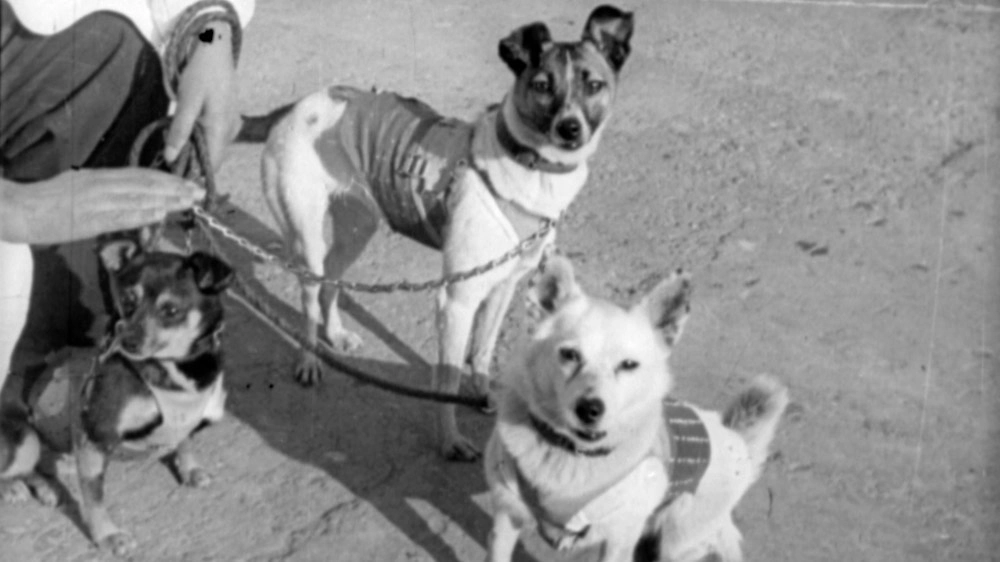
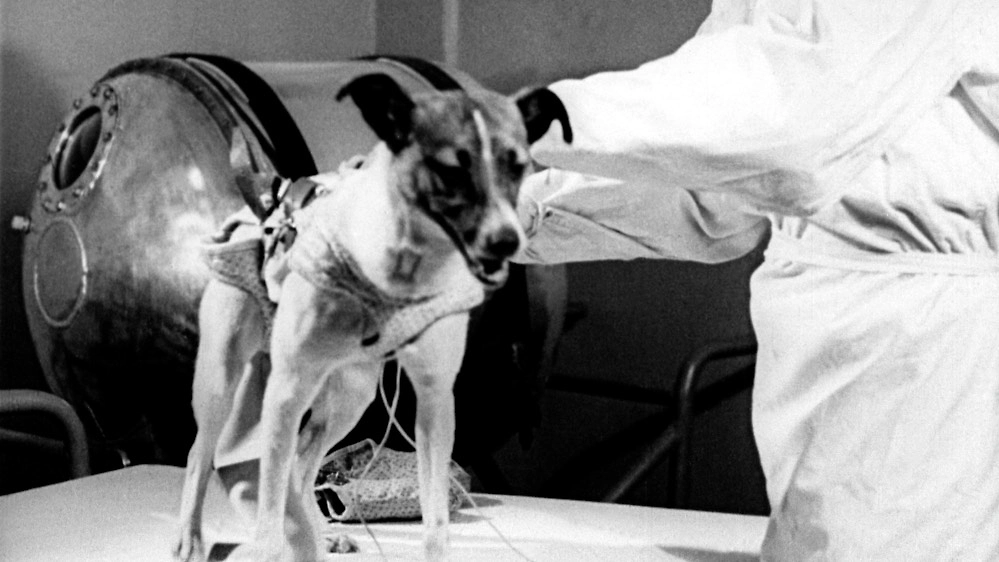
Laika was a mongrel picked up on the street; according to the Museum of the History of Cosmonautics, she was about two years old. Three dogs were selected from ten candidates — Laika, Albina and Mukha — and the calm, even-tempered Laika was chosen for the flight. The animals were prepared in advance: they were accustomed to noise, vibration, g-forces and staying in a container, and during the flight their breathing, pulse and blood pressure were to be monitored via sensors. Vladimir Yazdovsky, who supervised the animals' training, took the dog home before departing for the cosmodrome, where his children played with her. 'I wanted to do something nice for the dog. After all, she had very little time left to live,' — journalist Yaroslav Golovanov quotes these recollections.
Death in orbit and theories about its timing
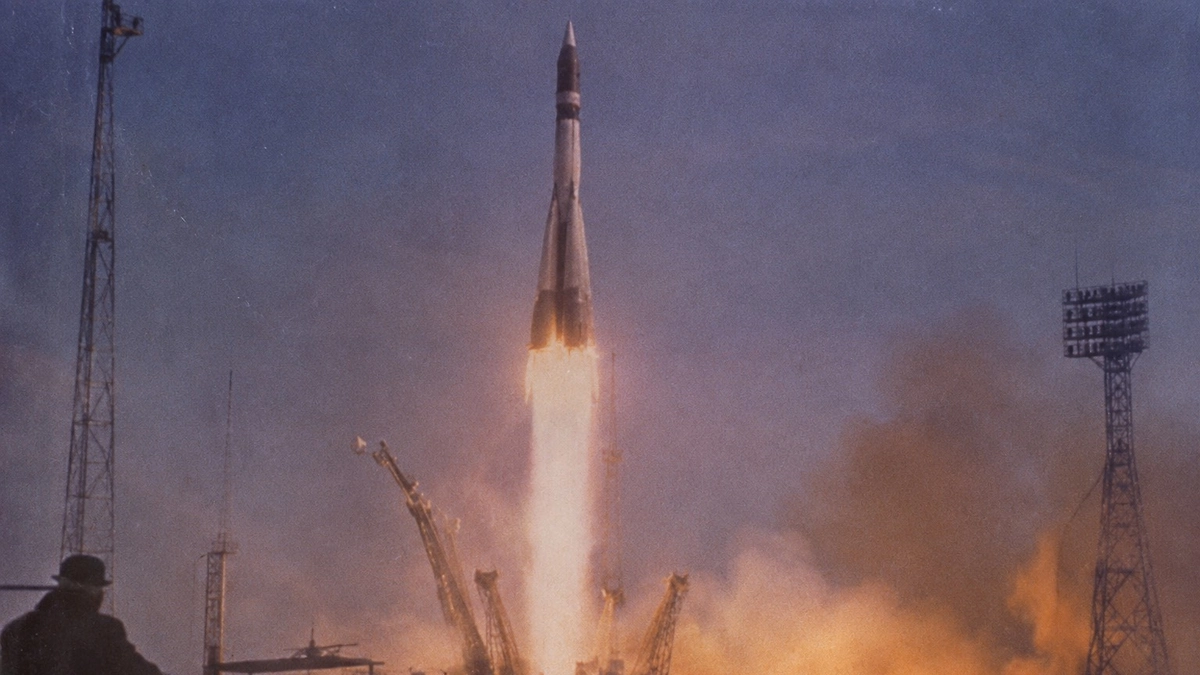
The rocket carrying Sputnik 2 lifted off from Baikonur early in the morning of November 3, 1957. At launch, Laika's pulse and breathing quickened, and after reaching orbit the readings began to return to normal — for the specialists this was the most important result. Then the temperature in the cabin began to rise: the thermal control system could not cope, and inside it was around 40 degrees or higher. According to data published later, Laika died of overheating in the first hours of the flight; sources give differing estimates of the exact time of death. The first reports left the public with the impression that the dog was alive, and the version that she spent a week in orbit — and even that she was euthanized or given poisoned food — took hold for a long time. In 2002, specialists from the Institute of Biomedical Problems presented findings about severe overheating of the cabin and death several hours after launch. Space historian Anatoly Zak draws attention to a letter to the Soviet leadership dated November 10, 1957, which spoke of a sharp rise in temperature as early as the first orbits; data on the dog's condition arrived with gaps, so the details of her final hours call for caution.
Why return was impossible and what came next
Sputnik 2 had no safe descent system — return was never part of the launch program. Dogs had been returned before from high-altitude rocket flights by parachute, but an orbital flight requires a different solution: the craft must leave orbit, withstand heating during atmospheric reentry and ensure a landing. The necessary system was not ready by launch, so even a functioning thermal control system could only have prolonged the dog's life aboard. After Laika's death, the spacecraft orbited Earth for several more months: on November 10, 1957, it stopped transmitting data, and on April 14, 1958, it burned up in the atmosphere along with the dog's remains. The flight yielded data on tolerance of reaching orbit and the first hours of weightlessness, but for a human flight the return problem also had to be solved — it was addressed by the launch of Belka and Strelka on August 19, 1960, who returned alive the next day, after which Yuri Gagarin orbited Earth on April 12, 1961.