The key facts
- This year alone, there is an opportunity to employ 287 thousand people abroad in 34 countries, but the population is poorly informed about these opportunities
- Two large international recruiting companies are planned to launch next year
- 2–3 technical colleges in each region will be transferred to large businesses for management for 15 years
Meeting on labor migration
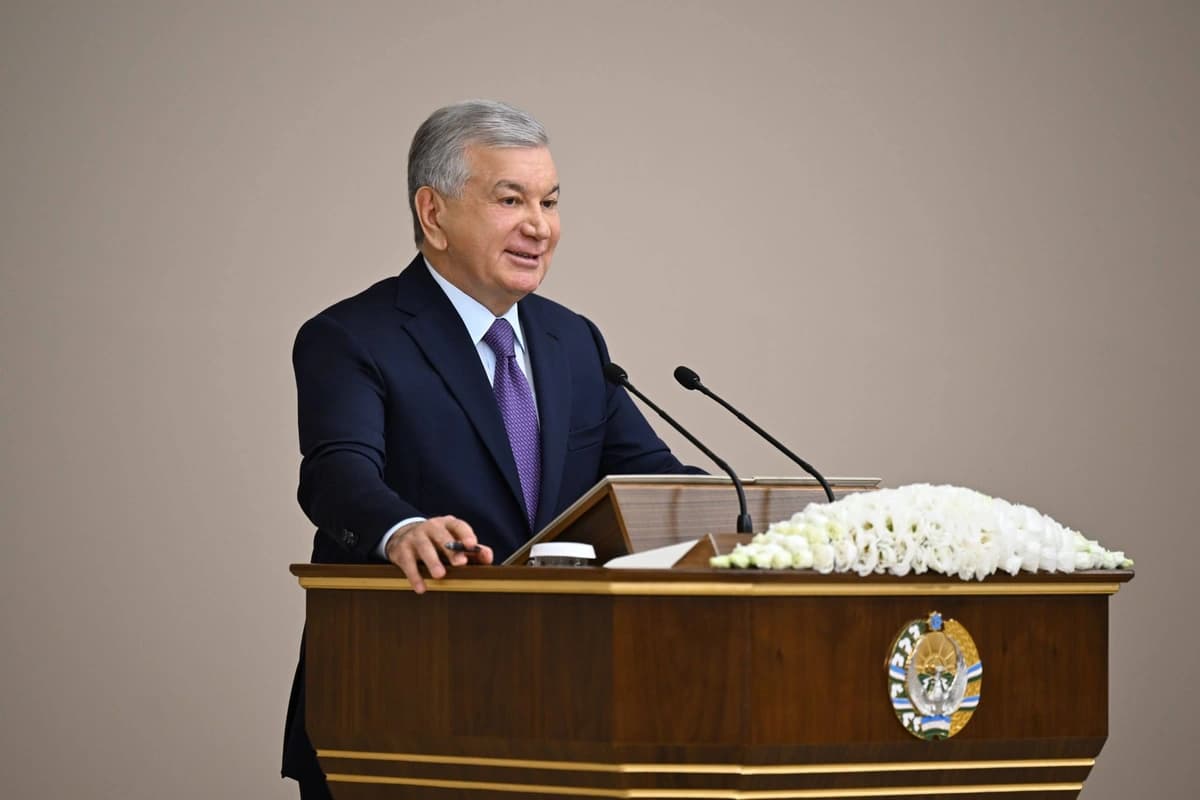
On November 2, Shavkat Mirziyoyev held a meeting on priority tasks in the field of labor migration, as Spot.uz previously reported. The president called for creating conditions in Uzbekistan for large recruiting companies that would connect employers and specialists on the international labor market: they will have to train personnel themselves and place them in jobs. For next year, the task has been set to launch the operations of two large international recruiting companies in the country.
Criticism of the current system
According to Spot.uz, this year alone there is an opportunity to send 287 thousand people to work in 34 countries. However, as noted at the meeting, the population is insufficiently informed about such opportunities, and the interaction between the Migration Agency and the 'mahalla sevens' is not working effectively. 'We will change this system. In migration, we need quality, not numbers!' the president emphasized.
Training personnel through technical colleges
A separate focus was the training of qualified specialists for construction, industry and logistics, for whom demand is growing both within the country and abroad. The Tashkent Pipe Plant in Sergeli proposed, with the participation of its own master craftsmen, to train 2,500 welders, electricians and fitters annually. In each region, it is planned to transfer 2–3 technical colleges to large businesses for management for 15 years: the institutions will train at least 30 thousand specialists per year who can start working immediately after graduation, and graduates will receive state qualification certificates. Businesses will be able to deduct the costs of personnel training and equipment purchases from the taxes they pay, the colleges will be linked with foreign employers, and grants are provided for placing graduates in jobs abroad.
Context of previous decisions
The meeting continues a series of recent decisions in this area. As Spot.uz notes, the president earlier announced plans to restructure education at 20 technical colleges to meet the needs of employers from Japan, South Korea, Germany and other countries, and also instructed to attract native German speakers to vocational education institutions. In addition, it was reported that private technical colleges will receive tax benefits and discounts on land purchases, and over six months 557 thousand citizens who returned from labor migration were provided with jobs.