The key facts
- Since June 1, 2026, classes have been held in Tashkent, Navoiy, and Kashkadarya regions
- 88.6% of participants achieved A1 level in English, 79.5% in computer literacy
- Best results recorded in Kashkadarya and Navoiy regions, with two colonies achieving 100%
First results of the project
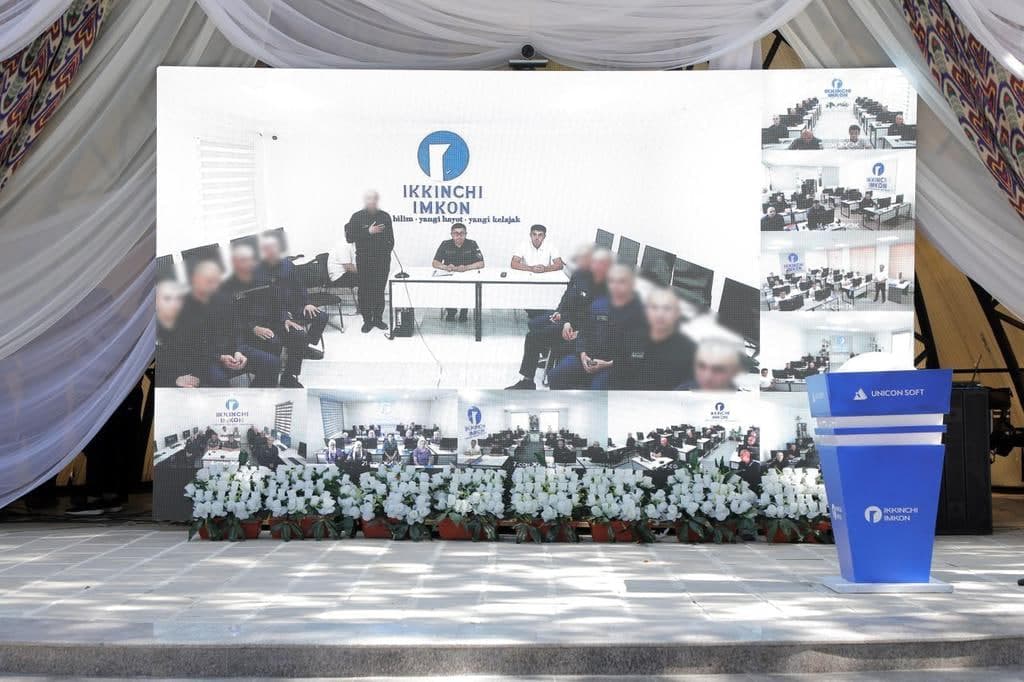
In Uzbekistan, the initial outcomes of the national project 'Ikkinchi imkon' ('Second Chance'), announced for launch in February 2026, have been summarized. As reported by Kun.uz, currently more than 300 convicted individuals aged between 18 and 30 are studying English and modern professions in 11 penal institutions across the republic.
How the training was conducted
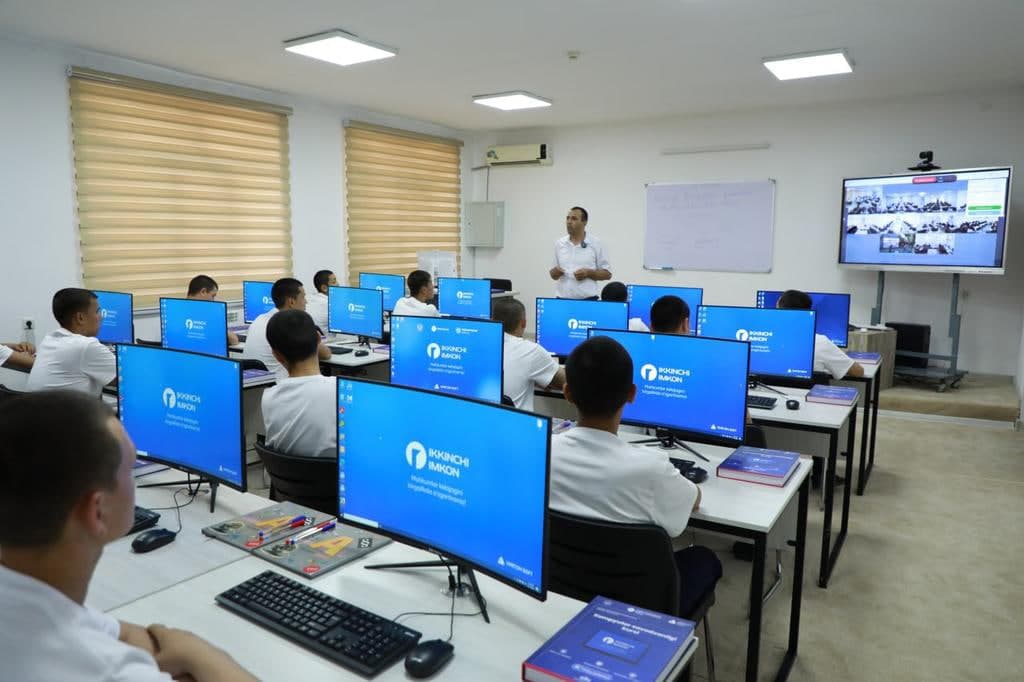
Classes under the project began on June 1, 2026, in the Tashkent, Navoiy, and Kashkadarya regions. Through testing and oral interviews, 311 convicted individuals were selected, who then underwent intensive training in foreign language and computer literacy. After five months, final assessments were held for English at A1 level and the 'Computer Literacy' course: 88.6% of participants successfully mastered basic English knowledge, while 79.5% achieved proficiency in computer literacy.
Best results and monitoring
The highest results were recorded in the Kashkadarya and Navoiy regions: in Kashkadarya, 96.6% of participants achieved A1 level in English and 98.3% in computer literacy; in Navoiy, these figures were 98.9% and 87.5% respectively. Some institutions achieved 100% results in both courses: Colony No. 5 in Qiziltepa and Colony No. 3 in Karshi. To ensure objectivity, the knowledge level of convicted individuals is assessed not by their teachers but by independent experts; control tests are conducted monthly on a special platform.
Project goals
The project was announced by President Shavkat Mirziyoyev on February 24, 2026, during a meeting with youth at 'Koksaray', where he emphasized the importance of quickly adapting young people serving sentences to society. On March 27 of the same year, the relevant decision—Resolution PQ–117—was adopted. The document aims at two objectives: ensuring that a person released from prison does not remain unemployed and without support, and preventing recidivism. As the publication notes, the project is based on the idea that a single mistake should not define a person's future.