The key facts
- Neither Netanyahu's bloc nor the Eisenkot opposition secured a majority in the October 27 elections.
- Neither Netanyahu's bloc nor the Eisenkot-led opposition won a majority in the October 27 election
- Arab parties won a record 19 seats and offered to help topple Netanyahu's government.
- The Central Election Commission and Attorney General stated that the elections were conducted properly, dismissing fraud allegations.
- The election commission and attorney general said the vote was 'conducted properly', rejecting fraud allegations
Negotiations following an inconclusive result
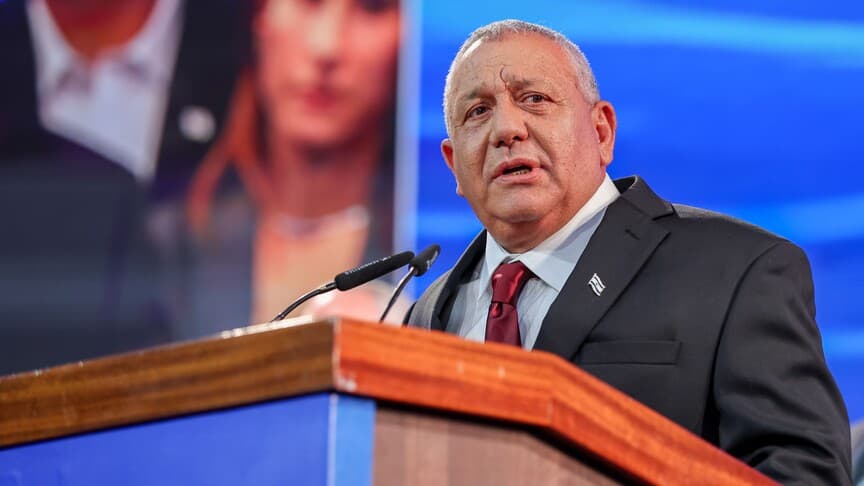
Coalition negotiations in Israel are intensifying this week: opponents of Prime Minister Benjamin Netanyahu are attempting to remove him from the premiership after neither his ruling coalition nor the opposition bloc led by former army general Gadi Eisenkot secured a majority in last Tuesday's elections. This is reported by The National..
The arithmetic of a majority and the role of Arab parties
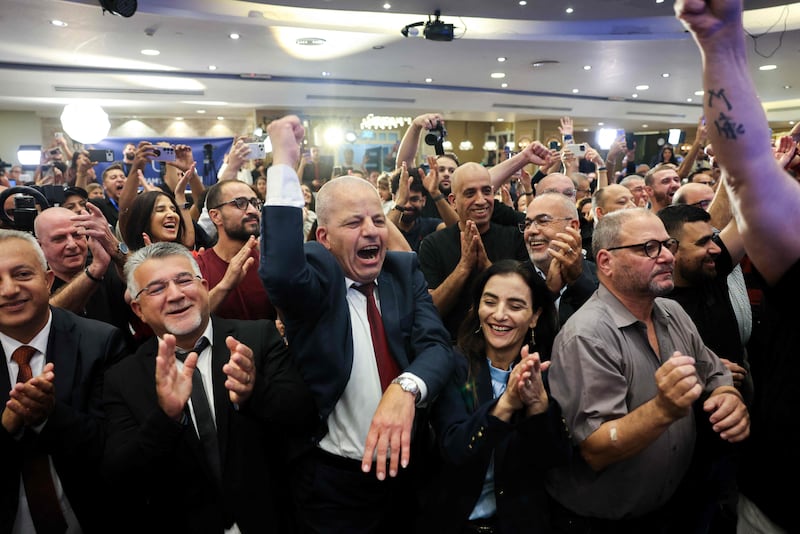
The key to a potential majority lies with Arab politicians: their parties—the United Arab List and Ra'am—won a record 19 seats and offered to help oust Netanyahu. Together, the Eisenkot bloc and Arab parties would hold 67 out of 120 seats in the Knesset. However, such a deal would be highly controversial within Israel, especially at this sensitive stage of the Middle East conflict: some of Eisenkot's potential allies ruled out relying on Arab support during the campaign, and US Ambassador Mike Huckabee described the inclusion of politicians who did not condemn the October 7, 2023 attacks as 'alarming'. Ta'al party leader Ahmad Tibi told Channel 12: 'We want to help anyone who wants to topple this terrible government,' adding that he does not seek a ministerial post and that 'without Arab parties, there will be no change'. The National published a separate detailed analysis of the Arab parties' success..
Procedure and the President's position
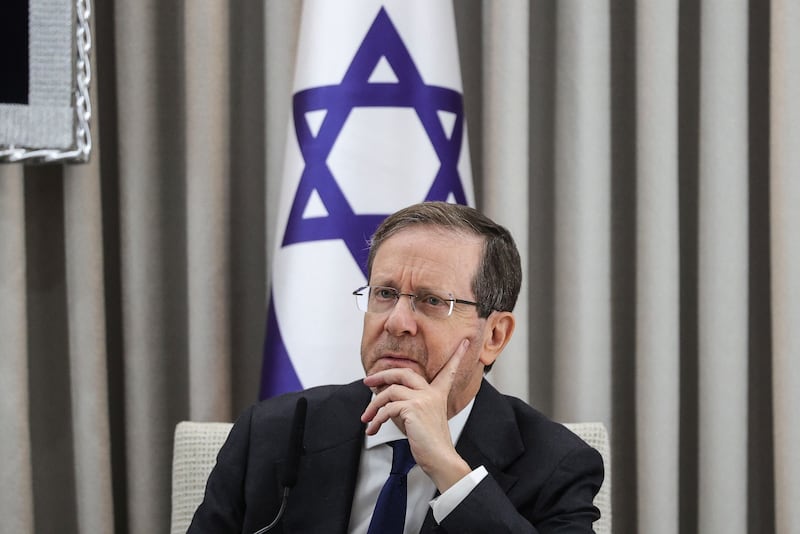
The formal process of government formation will not begin until Wednesday, when President Isaac Herzog receives the certified election results. He will then hold consultations and propose to one of the candidates to form a government within 42 days. On Sunday, Herzog urged party leaders to seek 'creative solutions' and had previously called on them to avoid a deadlock leading to new elections. Informal negotiations within the anti-Netanyahu coalition are already underway: former Prime Minister Naftali Bennett, whose alliance finished third, confirmed on Sunday that he would support Eisenkot, which was expected, although some had speculated he might switch to Netanyahu's camp.
Allegations of fraud and the authorities' response
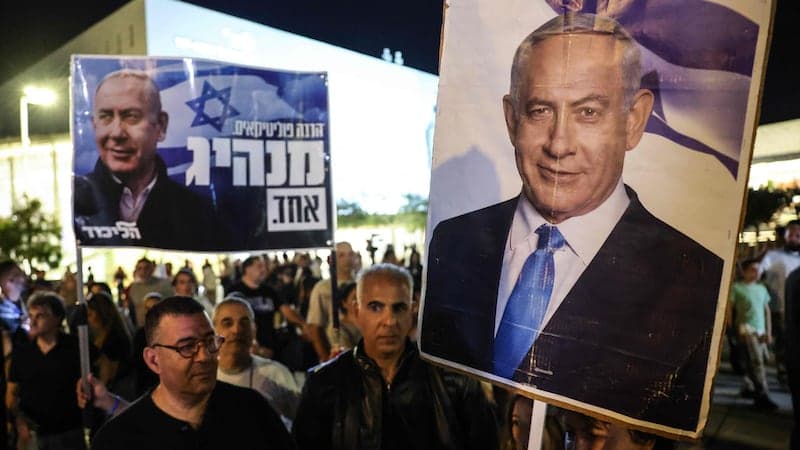
During the vote count, Netanyahu accused Arab parties of 'stealing' the elections; Arab politicians rejected these claims as an attempt to devalue their record result. Authorities acknowledged that some irregularities are under investigation but stated on Sunday that these investigations would not undermine the overall outcome. Head of the Central Election Commission Noam Solberg, in a joint statement with the Attorney General and the head of the internal security service, said: 'The elections were conducted properly... the election results reflect the will of the voters.' The Likud party called these words puzzling and stated that a 'dark cloud hangs over the results'. Thus, official bodies confirmed the legitimacy of the results, while the Prime Minister's party continues to challenge them—this contradiction remains unresolved.
What comes next
It remains unclear whether the 19 Arab party deputies will agree to join the coalition or at least tolerate a minority government—this is being closely watched by all observers. Netanyahu remains in power. With the US midterm elections approaching on Tuesday, there are concerns that the US and Israel might resume strikes against Iran after the elections in both countries conclude; there were suggestions that such a move could help Netanyahu, possibly through a national unity government. Some opposition figures consider major military actions unacceptable during his transitional status: leader of the centrist-left 'Democrats' Yair Golan stated on Sunday that Netanyahu lacks 'moral legitimacy' for a new campaign against Iran and that 'creating an alternative government as soon as possible is critically important'.