The key facts
- Gulf Oil has studied highways in all regions and is calculating the payback of future filling stations; no timeline for the next stage has been given
- The plan evolved: from a memorandum for ~$100 million (October 2025) to an estimate of $250 million and a promise of at least $150 million in investment (February 2026)
- Six filling stations have been privatized, mostly in Samarkand region; the fate of another 32 stations planned for privatization by the end of 2026 was not clarified
The project remains at the calculation stage
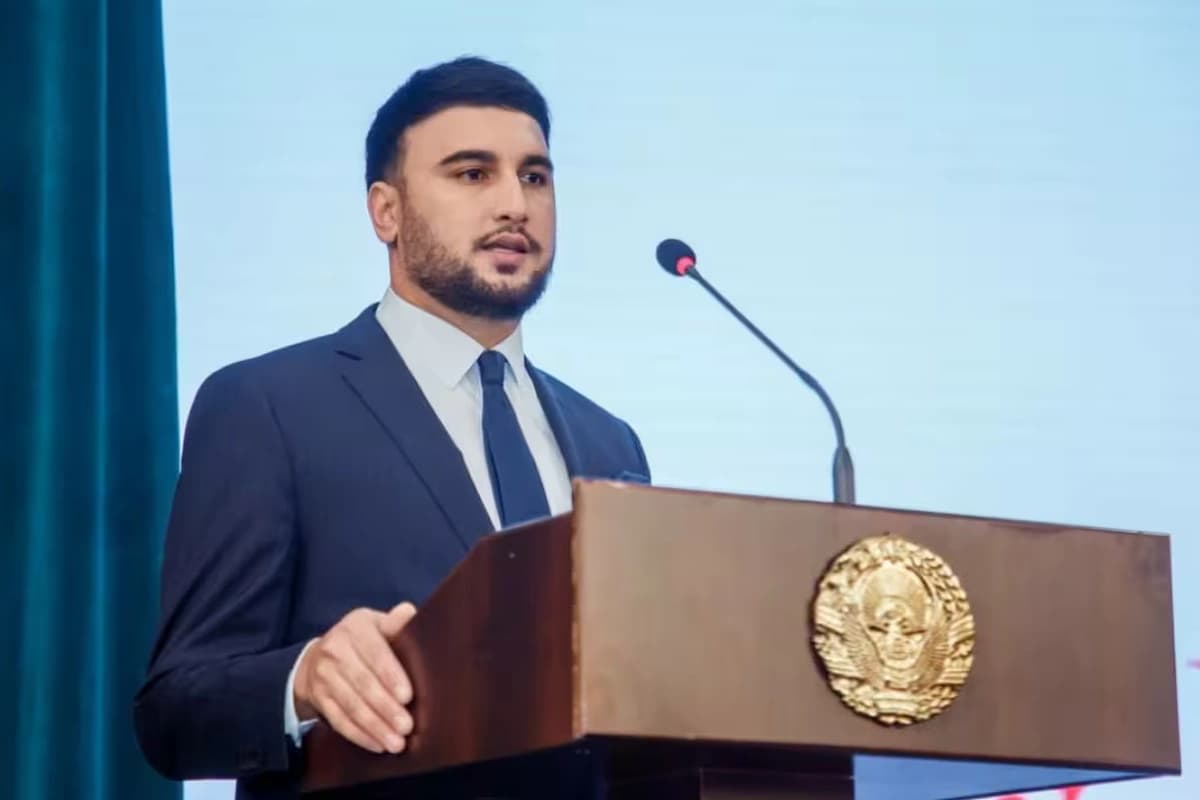
The American Gulf Oil continues to assess the economic feasibility of building a network of filling stations in Uzbekistan. This was announced at a press conference on October 27 by Abrorjon Khudoyberganov, deputy chairman of the board of Uzbekneftegaz for refining, reports a Gazeta correspondent. According to him, as part of the cooperation, promising sites have already been studied — primarily along major highways, and the American company examined highways in all regions of the country.
What has been done and what is holding the project back
“Our main role was to assist them, to identify promising locations, including the busiest sections along major roads. The studies have been carried out and the necessary documents collected. Now they are carrying out calculations of the project’s economic efficiency,” Gazeta quotes Khudoyberganov. When selecting locations, the investor takes into account traffic intensity, the number of vehicles and existing filling stations, the prevalence of electric vehicles, and the regions’ fuel needs. “Only after they make a decision can we move to the next stage,” the deputy chairman explained. Asked about construction timelines and the possible equity participation of Uzbekneftegaz, he replied that the relevant decisions have not yet been made; the state company’s representatives also did not clarify how many of the previously planned 32 filling stations had been purchased and whether their modernization had begun.
How the plans and figures changed
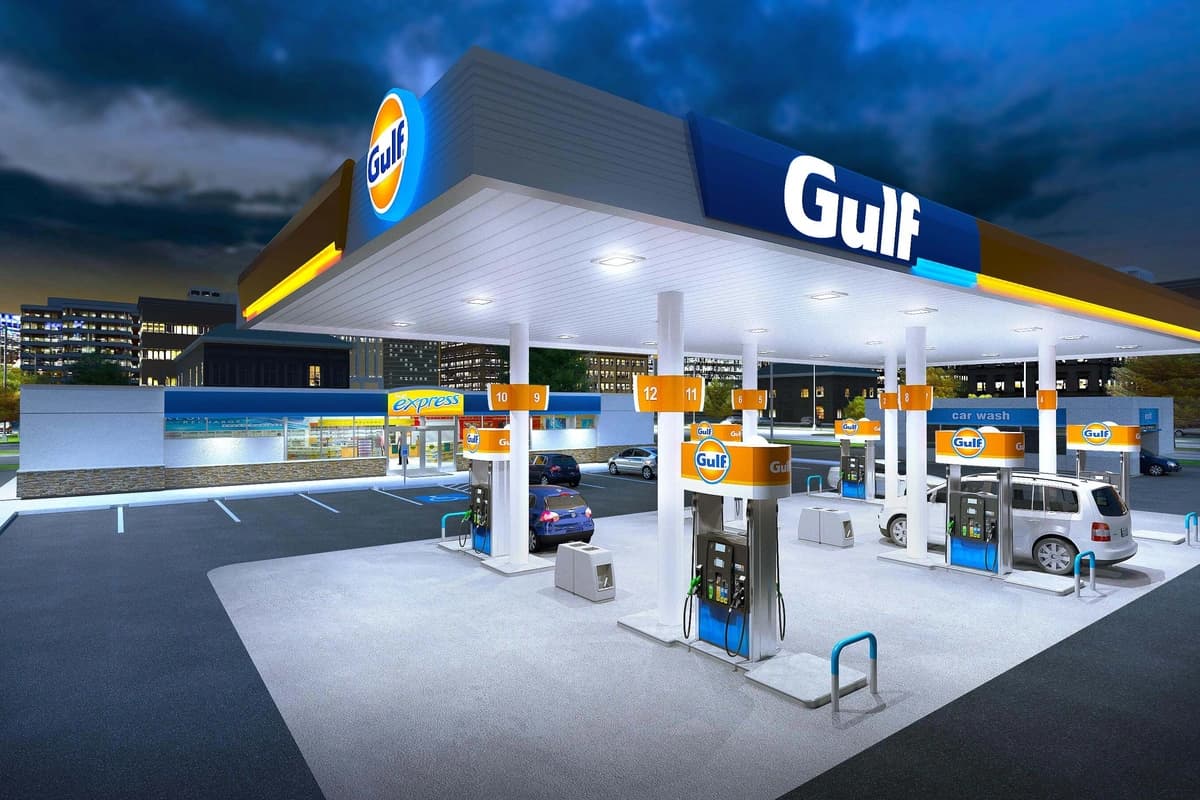
The scale of the project grew noticeably over the year. In October 2025, Uzbekneftegaz and Gulf Oil signed a memorandum on creating a network of filling stations worth about $100 million: up to 100 stations in all regions were planned, to be fully financed by the foreign investor, with fuel to be purchased on the exchange or imported independently. On February 18, 2026, Gulf vice president Craig Cramer, at a meeting with President Shavkat Mirziyoyev in Washington, announced the opening of at least 100 modern stations within two years and investments of “at least $150 million” with fully secured financing. He also said that the khokims of all regions had offered the company nearly 200 sites, and besides filling stations, the company spoke of transport centers for tourists and transit carriers, more than 3,000 jobs, about $50 million for the aviation sector through Gulf Aviation, and the placement of an operational base in Tashkent. At the same time, in the president’s presence, an agreement on building the network was signed.
Six filling stations have already been acquired
In June 2026, the khokimiyat of Samarkand region reported, after a meeting between Investment Minister Laziz Kudratov and khokim Adiz Boboev with Gulf board member Robert Wexler, that the total cost of the project was already estimated at $250 million. At the first stage, six filling stations were privatized, most of them in Samarkand region; by the end of 2026, another 32 stations were to be privatized, modernized, and brought up to international standards. In August, Gulf representatives held talks at the Ministry of Investment, Industry and Trade, where they discussed the implementation of the project and agreed on a plan for its further development.
Context: Uzbekneftegaz’s own network
Notably, Uzbekneftegaz previously owned the country’s largest network of filling stations — UNG Petro with 78 stations — but in November 2023 it, along with the Chinoz oil refinery, was transferred to Petroleum Technology Group of Daniyar Kamilov, son of former Foreign Minister Abdulaziz Kamilov; the network was later renamed Carvon. According to Gazeta, the deal went through without a public announcement of bidding, and the state company and the State Assets Management Agency did not disclose details of the sale. Uzbekneftegaz is now again developing its own network: according to the company, since the beginning of 2026 the number of operating filling stations has grown from 31 to 52. Thus, the question of the state company’s equity participation in the Gulf project remains open against the backdrop of the restoration of its own presence in the retail market.