The key facts
- Dermatologist Paola Canabrava: sleeping without clothing improves skin ventilation and reduces the risk of irritation, dermatitis, and infections
- Sleep specialist Cristina Salles: to fall deeply asleep, the body needs to lose about 1°C of heat
- Tight pajama fabric can cause micro-damage to the skin, while synthetics can create an environment for microorganisms
What experts say about sleeping in pajamas
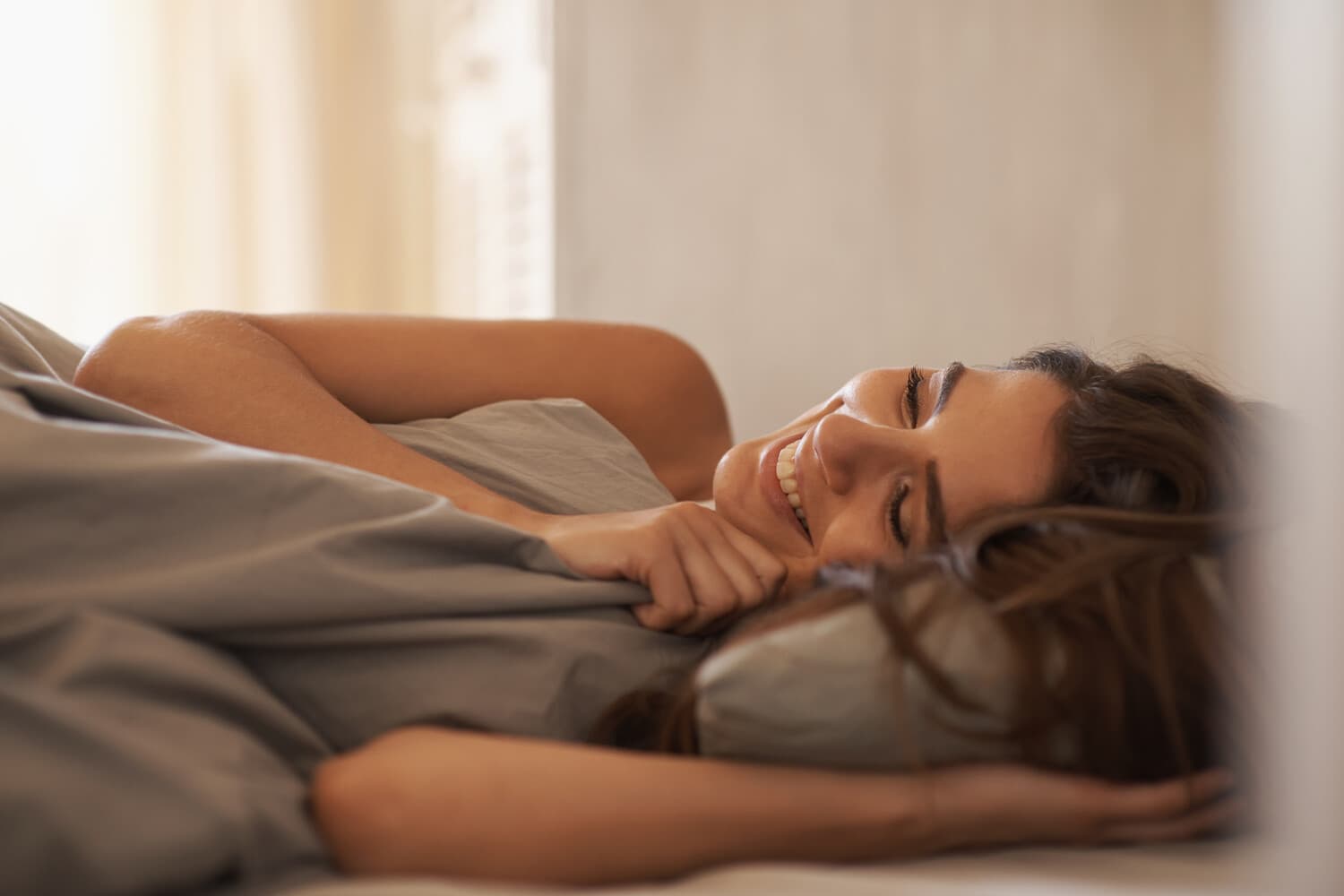
Sleeping in clothing can harm the skin: synthetic pajama fabrics trap heat and sweat, creating a favorable environment for microorganisms. This is reported by the online publication Metropoles citing dermatologist Paola Ponce de Canabrava. According to her, sleeping without clothing provides better ventilation for the skin and reduces the risk of irritation, dermatitis, and infections. In addition, tight clothing fabric can cause micro-damage to the skin, for example in the armpits and the area below the chest.
The role of body temperature in falling asleep
Sleep specialist Cristina Salles explained the connection between sleeping without clothing and the quality of falling asleep: cooling of the body signals the brain to slow down bodily processes. To relax and fall into deep sleep, the body needs to lose about 1°C of heat. Thus, the two arguments presented by the specialists complement each other: free ventilation of the skin concerns its condition, while lowering the temperature concerns the speed of falling asleep.
Bedding and sleep hygiene
In recent months, publications about sleep conditions have not been limited to clothing. Alla Makarova, creative director of the Hoff hypermarket chain, explained that good sleep depends on bedding: those who wake up from the heat should choose breathable fabric, while those who get cold should choose heat-retaining fabrics. Earlier, Russians were also told how often bedding should be changed. These recommendations concern organizing the sleeping area, whereas the advice from Canabrava and Salles relates directly to what a person sleeps in.