The key facts
- The IMF forecasts Ethiopia's GDP growth at 9.2% in 2025–26 after 8.1% in 2023–24
- Damage from the conflicts of November 2020 – December 2021 is estimated at more than $22.6 billion, with about $19.7 billion needed for recovery
- Damage from the conflicts of November 2020 — December 2021 is estimated at more than $22.6 billion, and reconstruction requires about $19.7 billion
- Analyst Abdulmenan Mohammed warns that in the event of a major conflict, the current growth 'will not be sustainable'
High growth amid renewed fighting
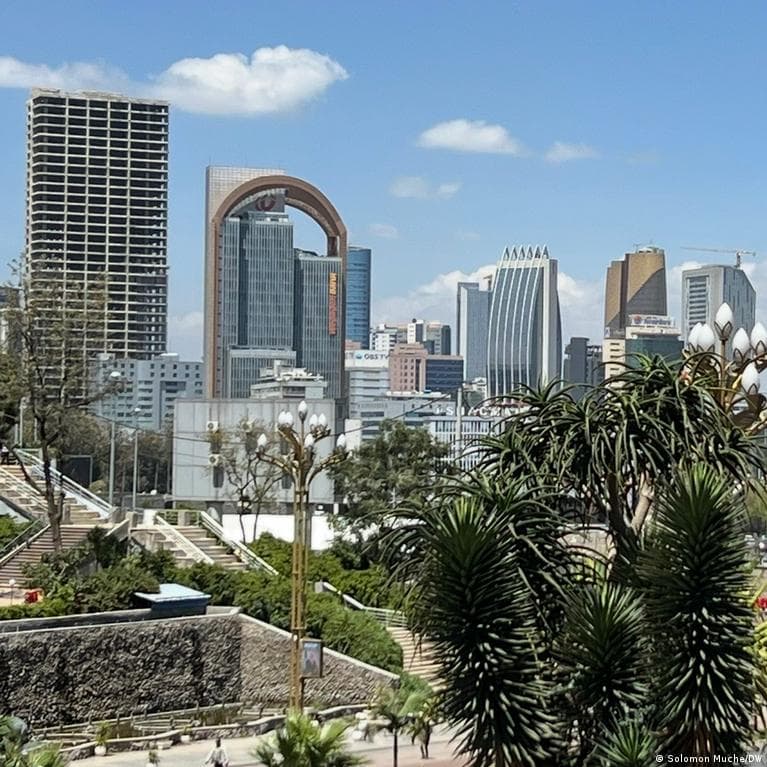
Ethiopia's economy is growing at a rapid pace: according to the International Monetary Fund's forecast, real growth in the 2025–26 fiscal year will be 9.2%. This is reported by Deutsche Welle, noting that the renewed fighting in the north of the country, the high cost of reconstruction, and climate-related harvest problems threaten this recovery. London-based financial analyst Abdulmenan Mohammed warned in a comment to DW: 'If a major conflict occurs [...] the current economic growth will not be sustainable.'
The costly legacy of the war in Tigray
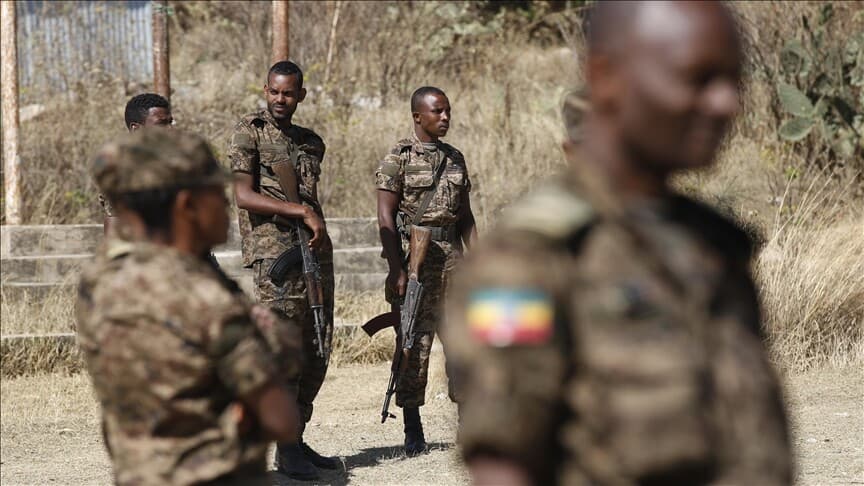
The war in Tigray and other parts of Ethiopia in 2020–2022 left large-scale destruction: infrastructure was destroyed, businesses lost production capacity, and some farmland could not be cultivated. According to the damage and needs assessment supported by the World Bank, damage from several of Ethiopia's conflicts from November 2020 to December 2021 exceeded $22.6 billion, economic losses amounted to about $6 billion, and recovery and economic restoration require roughly $19.7 billion — this is the total financing need, not annual spending or damage from the current escalation. The recovery plan covered 2023–2028, but it remains unclear whether it can be fully funded and completed on time. The analyst adds that the consequences were even more severe: lost output, high inflation, a shortage of foreign currency, and in 2022 Ethiopia lost its benefits under the US AGOA law, which allowed a range of African export goods into the United States duty-free.
There is growth, but the problems remain unsolved
After the Pretoria peace agreement in November 2022, the economy began to recover: according to the IMF, growth was 7.2% in 2022–23 and 8.1% in 2023–24, 9.2% in 2024–25, with the same forecast for 2025–26. The main drivers are agriculture, mining, and electric power. High growth rates do not contradict the wartime damage: GDP measures aggregate output, and if large sectors outside conflict zones are growing, the economy can expand while individual regions still suffer from the aftermath of violence. But recovery remains a difficult task, inflation is squeezing households, and at the end of 2023 Ethiopia defaulted by missing a payment on its eurobond; reforms under the IMF program launched in 2024are intended to address the economy's structural weaknesses.
Military spending versus development
A new escalation could increase pressure on public finances: the government would have to spend more on personnel, equipment, and logistics, while business activity and tax revenues could decline in affected regions. 'A significant share of state resources will go to military spending that would otherwise go to infrastructure, education, and social services,' Abdulmenan Mohammed warned; the scale of the effect depends on the duration and intensity of the conflict. A protracted war could prompt businesses to postpone investment, and international creditors and donors to act more cautiously. The IMF forecasts average inflation of 11.7% in 2025–26 — prices will continue to rise, but more slowly than in previous years. In the analyst's view, an escalation would intensify inflationary pressure: the government may need more domestic borrowing, which would crowd private businesses out of the credit market, while military purchases in foreign currency would reduce reserves available to importers and put pressure on the birr exchange rate. However, as DW notes, a new spike in inflation is a risk, but not an inevitable consequence: much depends on export earnings, monetary policy, and global markets.
Who is most vulnerable, and is there any benefit for the neighbors
Agriculture, tourism and the hotel sector are especially vulnerable: a significant part of the fighting takes place in rural areas where farmers work, and insecurity around fields, transport disruptions and shortages of agricultural inputs undermine production; part of the country also suffers from insufficient rainfall and poor harvest prospects. Tourism is sensitive to travel warnings and reports of fighting. As for neighboring countries, there is no concrete evidence that companies are already withdrawing investments from Ethiopia and relocating them, for example, to Kenya; the analyst himself also sees no provable economic benefit for Kenya at this stage — beyond security, tax administration, public services and the quality of governance play the decisive role. DW also recalls that about 750 thousand people in Ethiopia remain internally displaced due to the conflict in Tigray.