The key facts
- Iran has received a letter from US Vice President JD Vance and is studying it; no reply has been given yet
- Iranian negotiators are holding consultations with Qatari mediators in Doha
- Tehran links the resumption of talks and the reopening of the Strait of Hormuz to the fulfillment of seven conditions; Washington does not rule out new strikes
Vance's letter and the shift in tone
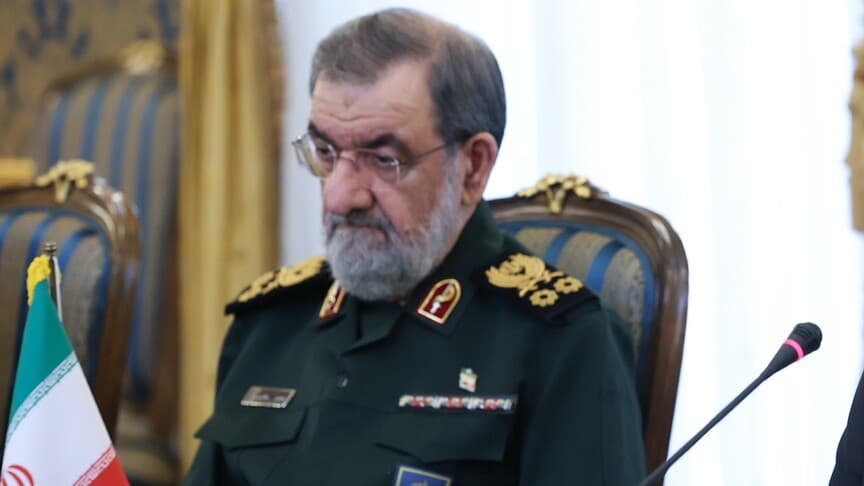
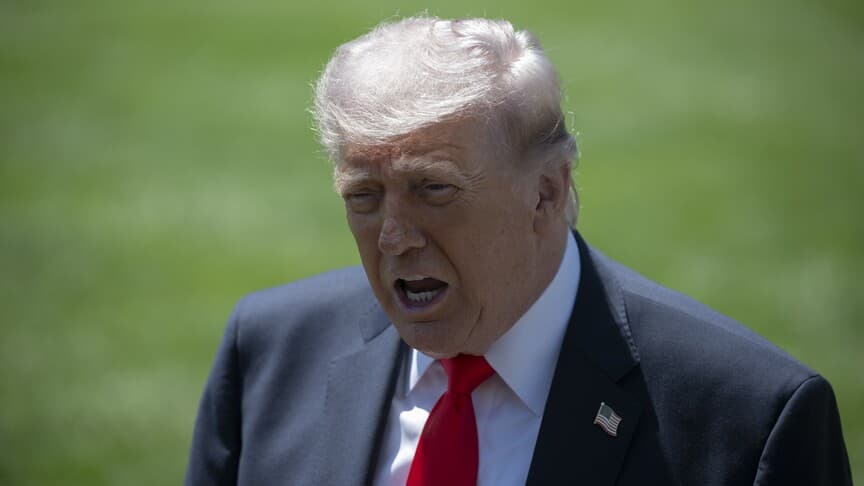
Iran is considering a possible response to a letter from US Vice President JD Vance addressed to Mohsen Rezaei, Secretary of Iran's Supreme National Security Council, The National reports. In an interview with state television on Saturday, Rezaei said he had studied the letter but had not yet replied: 'Their tone has completely changed, and that is a good sign.' He declined to reveal details of the letter, since Washington has not made its contents public. According to The Wall Street Journal, Vance wrote the letter at the direction of President Donald Trump in order to revive peace talks; Trump himself confirmed that he authorized the contact, but said it concerned humanitarian aid and medical supplies rather than restarting negotiations.
Doha and the mediators
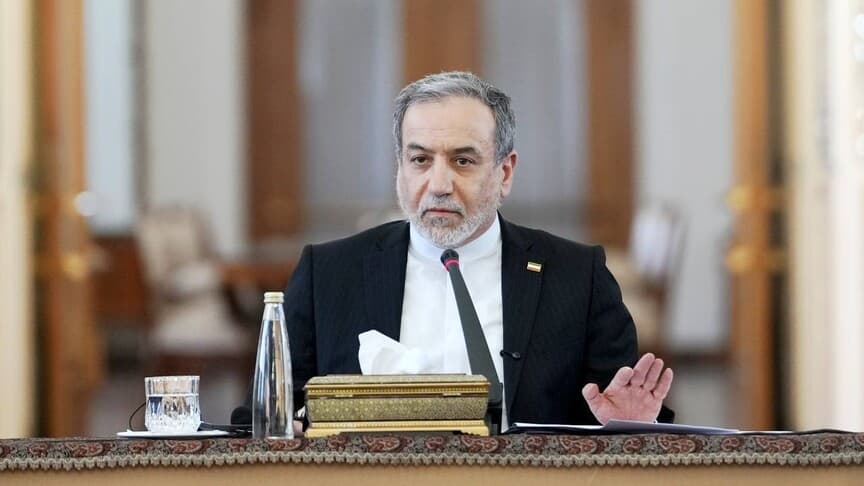
Iranian negotiators are in Doha for meetings with Qatari mediators, an informed official told Reuters. The Qatari team maintained frequent contact with American negotiators after more than 12 hours of discussions in Tehran on Friday; according to flight-tracking data, a Qatari government aircraft spent about 16 hours in Tehran between Friday and Saturday. Pakistan, Egypt and Turkey are also involved in the settlement efforts. Iranian Foreign Minister Abbas Araghchi called the American initiative a positive step, but rejected reports of an imminent meeting with US officials as media speculation: 'Our conditions are clear, and the mediators continue consultations on them.'
Tehran's conditions and Washington's position
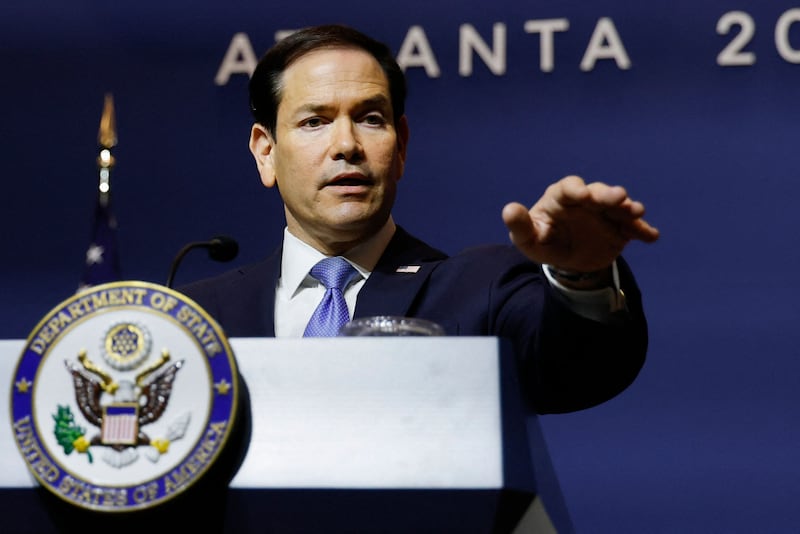
Rezaei said Iran will not resume negotiations and will not reopen the Strait of Hormuz until Washington meets Tehran's seven conditions — including a cessation of hostilities, the lifting of restrictions on Iranian ports, and the unfreezing of Iranian assets. The strait was effectively closed by Iran after the Israeli and US attacks in February, at the start of the eight-month war; the US responded with a blockade of Iranian ports. Secretary of State Marco Rubio said on Saturday following the G20 foreign ministers' meeting in Atlantathat Trump has set no deadline for diplomacy and has made no decision on new strikes: 'If there is a diplomatic solution, we are open to it,' adding that the US has military options in case diplomacy fails.
Parallel military preparations
The diplomatic contact is unfolding against the backdrop of harsh rhetoric from Tehran: according to reports, Supreme Leader Mojtaba Khamenei has ordered the armed forces to respond immediately to any threat without geographic limitations and to expand the list of potential American and Israeli targets. International Crisis Group analyst Hamidreza Azizi noted that diplomacy and military preparation are proceeding simultaneously, and that the Iranian position taking shape is that an agreement remains possible, but a new war would proceed 'under different rules and on a far broader battlefield.' Thus, the sides have so far only signaled readiness for dialogue: Iran's response to the letter has not been given, no meeting with the US is scheduled, and the key disagreements — Tehran's conditions and the question of strikes — remain unresolved.