The key facts
- Mohsen Rezaei: no official decision has been made to change the nuclear doctrine
- A new letter through American intermediaries has been received by the Foreign Ministry; no response yet
- Iran's conditions for negotiations remain the same — seven basic points plus additional ones
No official decisions, but domestic pressure is growing
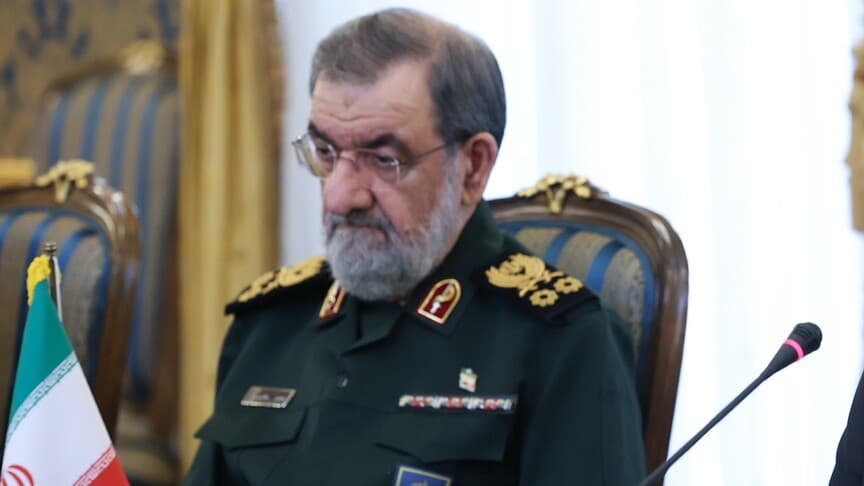
Iran has not made an official decision to change its nuclear doctrine, said Secretary of the Supreme National Security Council Mohsen Rezaei, according to whom such demands had been voiced by part of the public and members of parliament in case the war resumes. His remarks were reported by the semi-official Tasnim agency. Rezaei attributed the emergence of these calls to attacks on Iranian facilities, despite years of IAEA inspections and the installation of online monitoring cameras.
A new letter and unchanged conditions
According to Rezaei, a new letter was conveyed to Iran's Foreign Ministry through American intermediaries; it has undergone an initial review, but Tehran has not yet responded. He assessed the change in the letter's tone compared with previous correspondence as a sign of 'the strengthening of the power and victory of the Iranian nation.' Iran's conditions, he said, remain the same: seven basic points with additional requirements, more than seven in total. Once they are fully implemented, he said, the second stage could discuss nuclear commitments and Iran's further membership in the NPT — with full recognition of the country's nuclear rights. He also reiterated his position on the Strait of Hormuz: Iran insists on managing the common corridor, through which all traffic must pass under Iranian supervision.
Negotiations context
Rezaei emphasized that more than two decades of IAEA inspections and numerous documents, in his view, proved the peaceful nature of Iran's nuclear program. Earlier, The Wall Street Journal, citing American officials, reported that US Vice President JD Vance, at Donald Trump's direction, sent Rezaei a message to resume peace talks; Trump denied this, saying Vance's role was limited to helping deliver medicines. Rezaei's statements came against the backdrop of mediation by Qatar and Pakistan: progress is reported in indirect talks in Doha on the nuclear program, sanctions, and shipping security in the strait. Recall that the US and Israel began attacks against Iran on February 28; Tehran responded with strikes on Israel and American facilities in the region, and a ceasefire was reached in April. Washington and Tehran signed a memorandum of understanding on freedom of navigation in the Strait of Hormuz on June 18, but its implementation stalled due to disagreements over security in the strait.