The key facts
- The new rules allow up to eight floors on plots of 1,000 square metres or more, including consolidated ones
- Plots along internal roads: a ground floor plus two residential floors instead of the previously permitted attached villas
- The Municipality coordinated infrastructure and traffic assessments with local authorities
What the new rules change
Dubai Municipality announced on Sunday, November 1, that it has updated the planning regulations for the Al Satwa district, which borders Jumeirah and Bur Dubai, The National reports. Previously, the rules mainly allowed attached villas on plots along internal roads; now a ground floor plus two floors of residential apartments are permitted. Plots along external roads have received more flexible higher-density options: a commercial ground floor and two to three residential floors, depending on location and applicable requirements.
Incentives for consolidating plots
The key incentive concerns plots of 1,000 square metres or more — both those that already meet this threshold and those formed by merging two or more plots, including the passageways between them. Such plots become entitled to a ground floor plus eight floors of residential apartments. The Municipality explains this as an intention to encourage owners to consolidate small plots into larger ones, 'better suited to integrated development', to optimise land use and increase investment potential. Additional information will be provided through the Build in Dubai online platform.
Context and the authorities' position
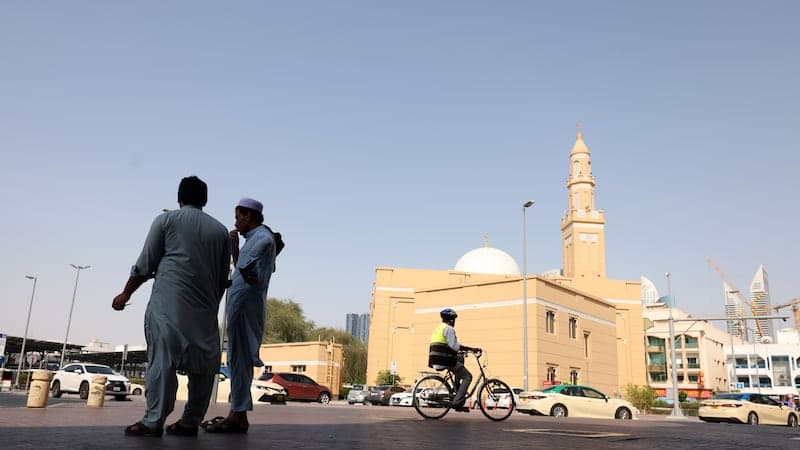
Al Satwa is one of the oldest and liveliest districts of the emirate, with many independent shops and restaurants and a culturally diverse expatriate community; The National has separately highlighted its well-known tailoring shops that sew clothes for the holidays. The district has largely stayed apart from the construction boom of recent years, which reshaped the city with skyscrapers and high-rise complexes. Dubai's media office stated that the updated rules 'recognise Al Satwa's strategic location within Dubai's urban fabric' and create opportunities for the redevelopment of existing plots. Mansour Al Rais, director of the Municipality's executive planning department, said the aim is to give landowners and investors greater flexibility in using land efficiently while taking into account the district's existing urban character. The Municipality also coordinated with local authorities an assessment of infrastructure and traffic needs.