The key facts
- Erosion damage in 28 European countries exceeds €1 billion a year and could reach €800 billion annually by 2100 without effective measures
- The report recommends “planned retreat”: banning new coastal construction and relocating housing and infrastructure inland
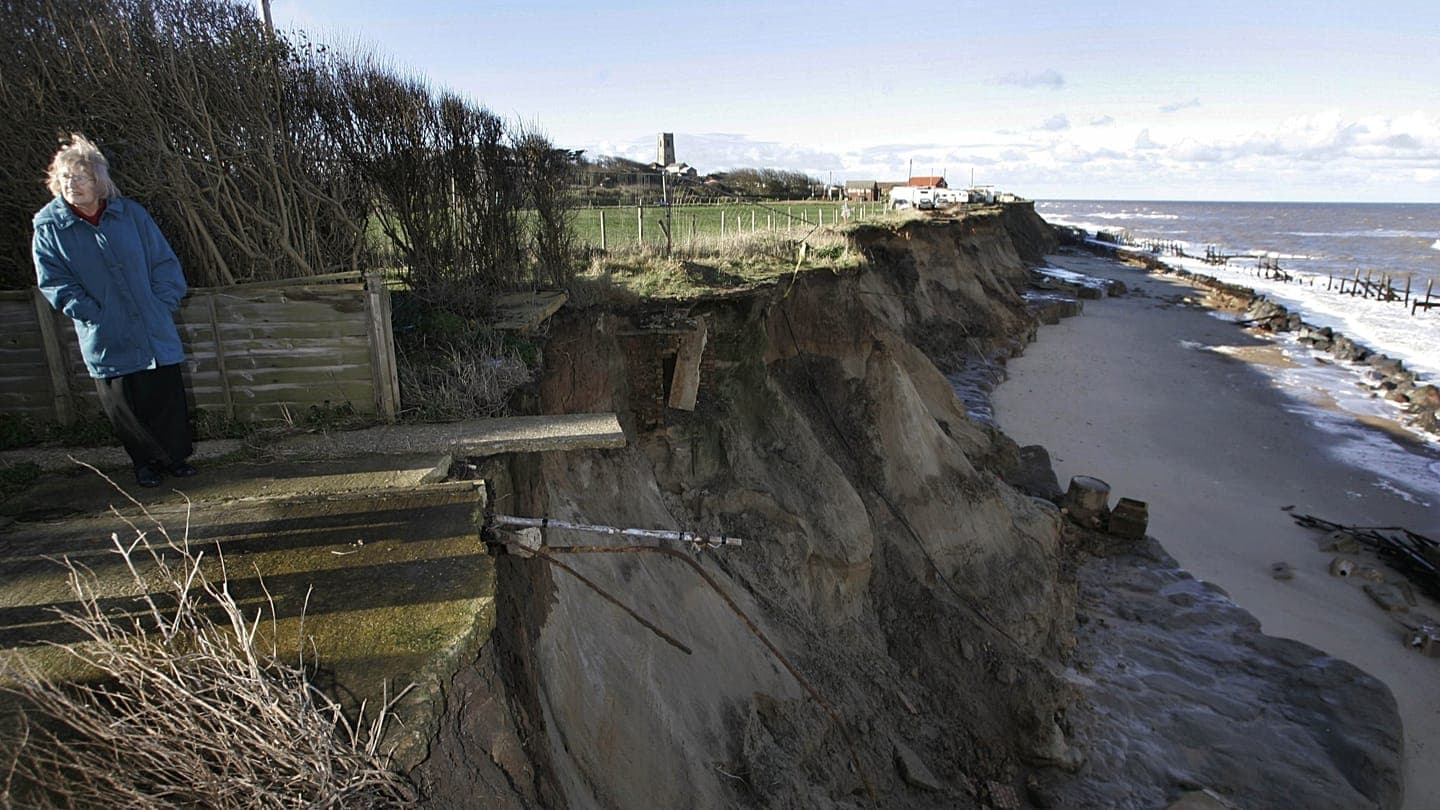
- More than a quarter of Europe's coastline is eroding; 80% of low-lying coasts are under threat of further erosion
€800 billion by the end of the century: a report on the fate of Europe's coasts
The Council of Europe has published a report titled “How can we cope with coastal erosion?”, which calls for urgently preparing to relocate homes, businesses and infrastructure away from eroding coasts and further inland. According to the outlet Euronews, in 28 European countries the economic damage from coastal erosion already exceeds €1 billion a year and could rise to €800 billion annually by the end of the century if effective measures are not taken. The report puts its bet on the concept of “planned retreat”: banning or restricting new construction on the coast and moving housing, businesses, as well as roads and railways, to areas more resilient to climate change.
What exactly do the authors recommend
In addition to relocation, the report urges authorities to update risk maps, introduce and periodically review construction ban zones and buffer zones, and develop adaptation plans with an assessment of the legal, social and financial consequences of each option. The authors stress that such planning must be carried out together with affected residents — through transparent consultations, public information campaigns and measures to protect livelihoods, coastal heritage and vulnerable communities. Co-author of the report, Greek politician Fanis Spanos, notes that more than a quarter of Europe's coastline is eroding, and continued development of “high-risk zones” endangers people's livelihoods. His co-author Anthony Buchanan believes that protecting coasts with traditional methods such as sea walls is becoming increasingly unsustainable: according to him, sea level rise has doubled in recent years and is heading towards a further +44 cm by 2100, while extreme storm surges are likely to occur 20–30 times more often by 2050.
Examples and the scale of the problem
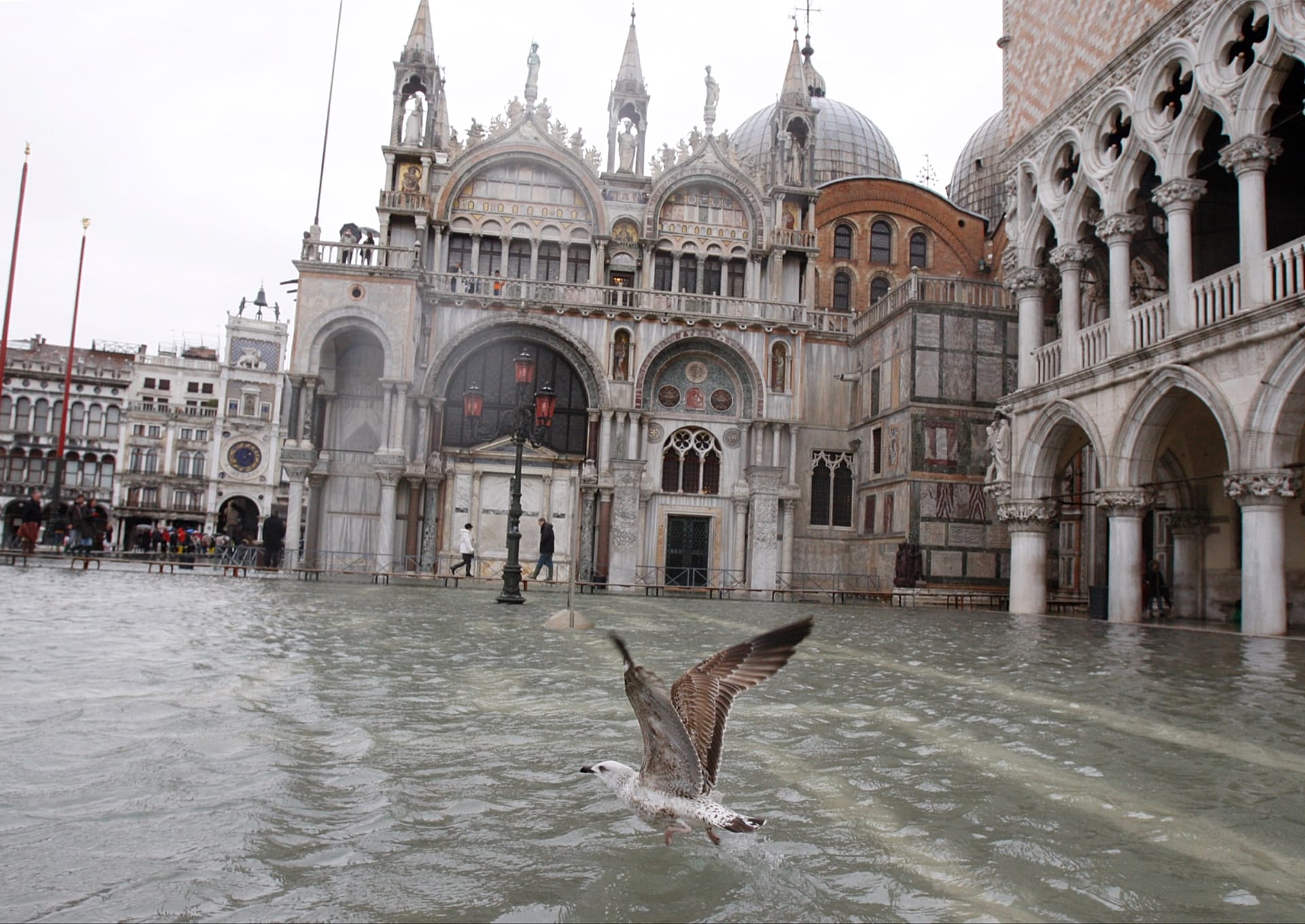
The report is backed by concrete estimates. France counts about 900 km of retreating mainland coastline, with more than 500 municipalities affected; in Criel-sur-Mer in Normandy, relocating a public campsite inland for €9 million increased the municipality's revenues by 25%. For Venice , experts predict that if sea level rises by more than 0.5 metres — possible by 2100 even under low emissions — engineering barriers costing up to €4.5 billion may be needed, which do not offer a permanent solution, or a “super-barrier” closing off the lagoon, capable of protecting the city against a rise of up to 10 metres but with an initial cost of over €30 billion. Relocating the city itself may be required if the rise exceeds 4.5 metres, which is forecast after 2300, and would cost up to €100 billion. The stakes are also high economically: coastal regions account for 40% of Europe's GDP, and 80% of low-lying coasts are at risk of further erosion — so, according to the report's logic, thoughtful planning and relocation now will save significant funds in the future.