The key facts
- Budapest is hosting the four-day Houdini 100 event series marking the 100th anniversary of Harry Houdini's death
- Budapest is hosting the four-day Houdini 100 series of events marking the 100th anniversary of Harry Houdini's death
- Guests include George Hardeen, Houdini's only living descendant, and producer Gay Blackstone
- Houdini was born in Budapest in 1874 under the name Erik Weisz and died on October 31, 1926, in Detroit
- Houdini was born in Budapest in 1874 under the name Erik Weisz and died on 31 October 1926 in Detroit
A century since the artist's death
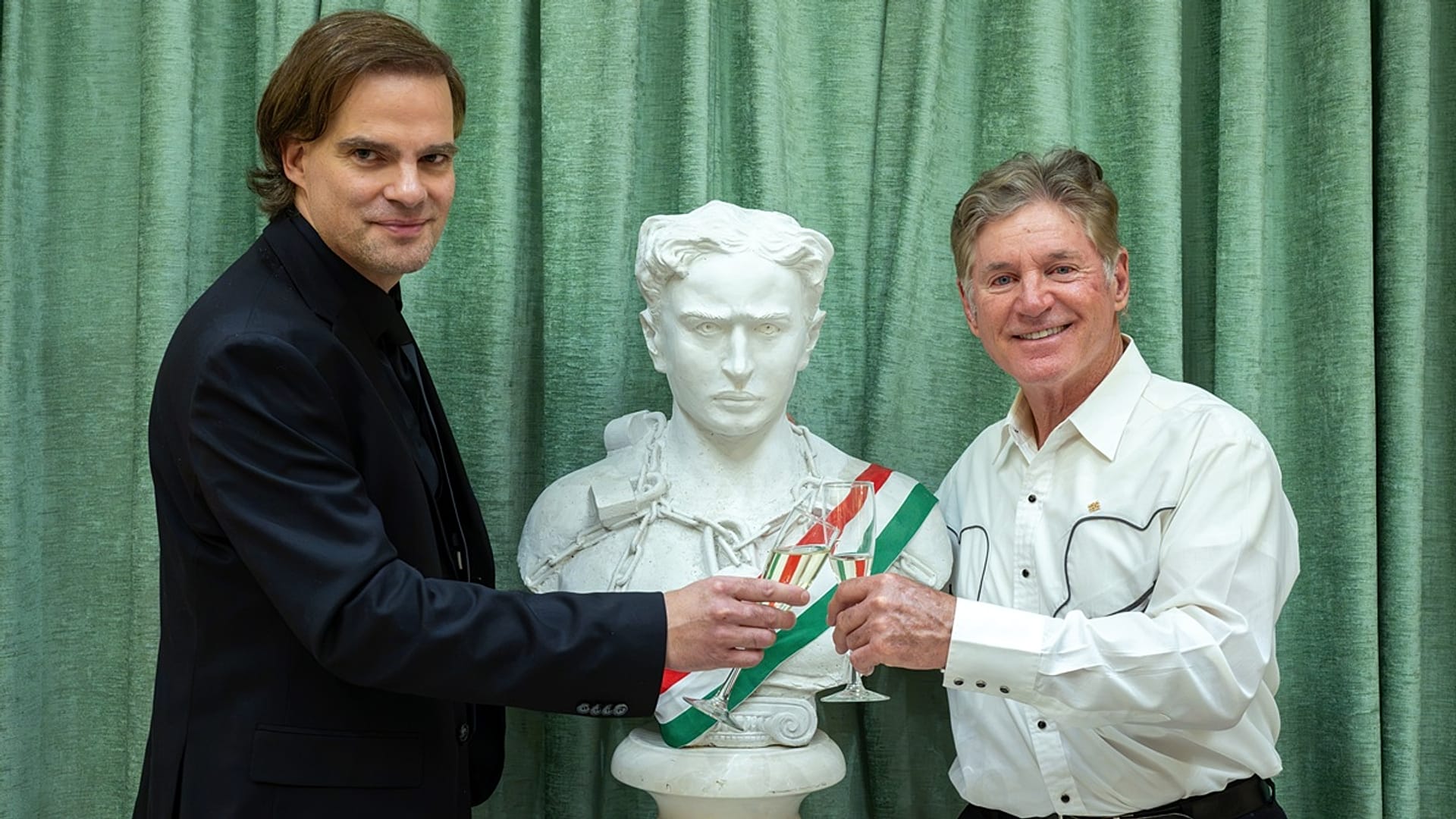
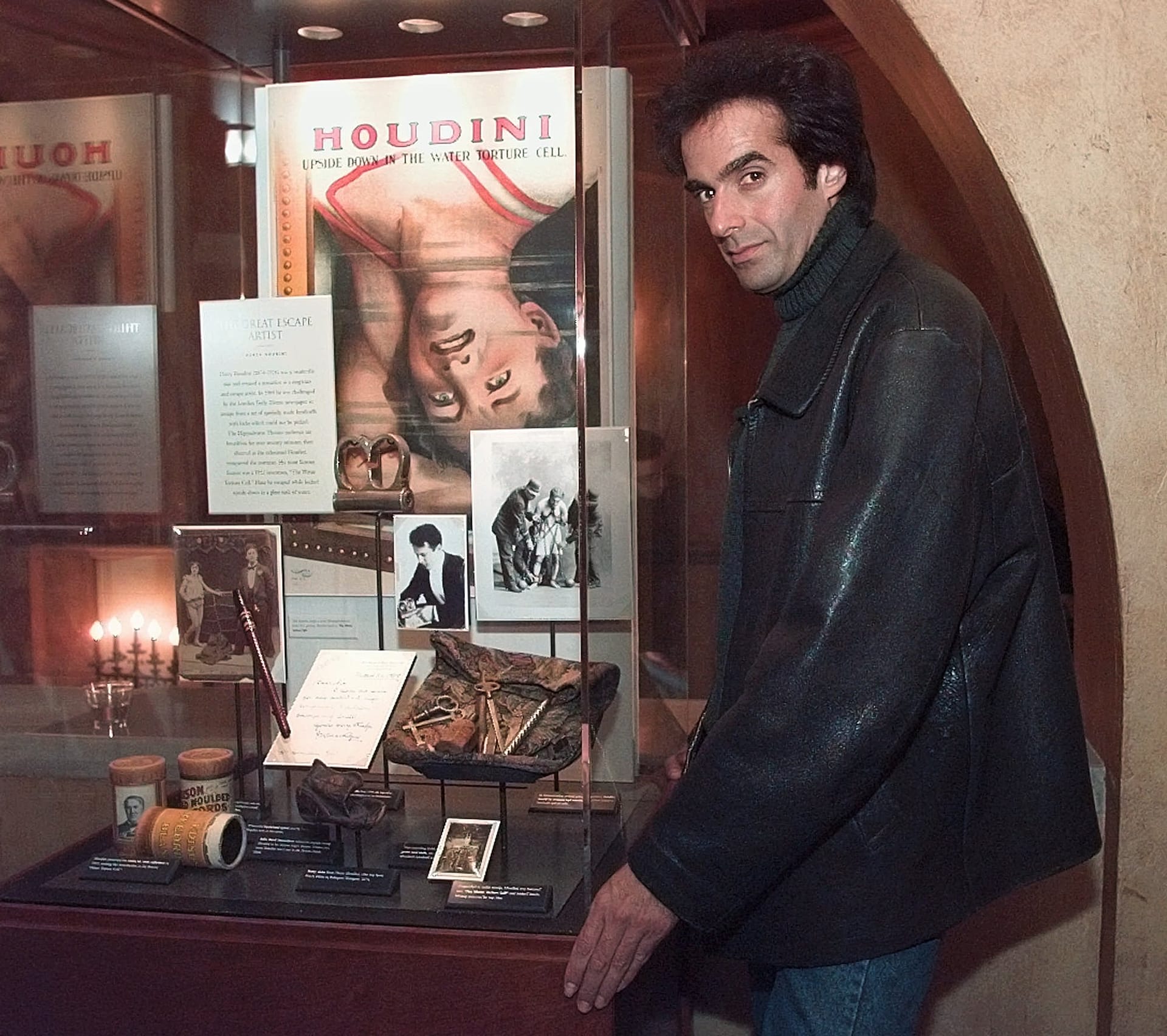
A four-day program called Houdini 100 has begun in Budapest, dedicated to the 100th anniversary of the death of illusionist and escape artist Harry Houdini. The series of events includes the unveiling of a bas-relief, a film festival, and circus performances. This is reported by euronews. At the opening ceremony, Deputy Mayor of District I Csilla Fazekas said the district is proud that the House of Houdini operates in Buda Castle, preserving the legacy of the world-famous Hungarian in a way unique in Europe.
Who came to the celebration
According to magician David Merlini, founder of the House of Houdini in Budapest, guests arrived from all over the world. Among them are George Hardeen, Houdini's only living descendant and the grandson of his brother; television producer Gay Blackstone from the legendary family of magicians and former president of the Academy of Magical Arts, which runs the Hollywood Magic Castle; and Peter Glowacki, world champion of magic and a vascular surgeon. The program, Merlini added, includes the unveiling of a memorial plaque, an auction of magic items, and a nighttime performance in Houdini's birthplace on Csengery Street.
From newspaper boy to the 'Handcuff King'
Harry Houdini was born on March 24, 1874, in Budapest under the name Erik Weisz, into a rabbi's family with many children. Four years later the family emigrated to the United States, living in Appleton, Wisconsin, and from 1882 in New York. At the age of nine he made his stage debut as a 'trapeze prince'; at twelve he ran away from home and joined a traveling circus, but returned to help his parents. His career as an illusionist began at seventeen with card tricks; he took his stage name in honor of the Frenchman Jean-Eugène Robert-Houdin, the first modern magician. In 1893 he met Wilhelmina Rahner, who became his wife and assistant under the name Bess Houdini.
The turning point and fame
The turning point came in 1899, when impresario Martin Beck advised Houdini to focus his show on escapes. He became famous as the 'Handcuff King': for freeing himself from Scotland Yard's handcuffs, he received a six-month contract with a weekly fee of 300 pounds. Touring Europe, he escaped from locks, shackles, and prison cells with the assistance of local police, often after being searched down to the skin — and always got out. In 1904 he returned to New York a wealthy man, and from 1908, due to the many imitators, he built acts around escaping from sealed spaces: the first was an escape from a giant airtight milk can filled with water, which he advertised with the slogan 'Failure means death by drowning.' He escaped from containers ranging in size from a coffin to a prison cell, from buried pits, and even from the stomach of a beached whale. The secret of his success lay in imagination, enormous physical strength, flexibility, and exceptional skill at picking locks and knots; he could hold his breath for up to four minutes, but after his escapes he often lost consciousness. He almost always devised his tricks himself and revealed the solutions to the most difficult ones to only four assistants, which is why the secret of most of his escapes has never been discovered.
Fighter against charlatans and a mysterious death
Houdini was the highest-paid illusionist in America, but he also found time for books, aviation, and cinema (his first film, 'The Grim Game,' long thought lost, was rediscovered in March 2015). From 1917 he headed the Society of American Magicians. As an illusionist, he did not believe in the 'supernatural': he spoke out against superstition and charlatanism, attended séances incognito, and exposed fraudsters on the spot, writing about it in the books 'Miracle Mongers and Their Methods' and 'A Magician Among the Spirits.' At the same time, he made a spiritualist pact with his wife: whoever died first would try to contact the surviving one; his widow's attempt was unsuccessful.
Circumstances of the death
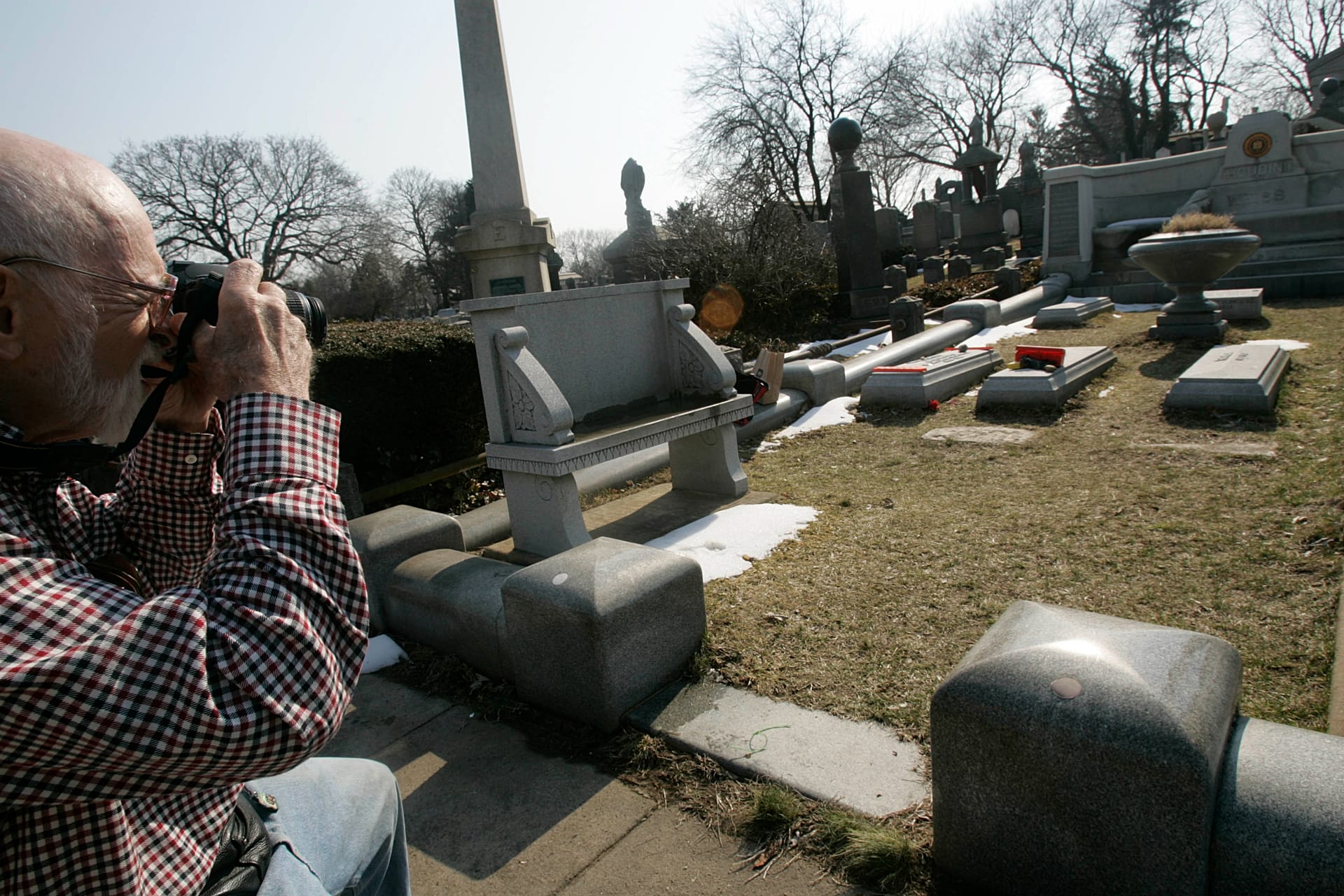
Houdini died on Halloween, 31 October 1926, in Detroit, while preparing a new show that never premiered. The official cause was peritonitis caused by a ruptured appendix. According to the widely told version, on 22 October, before his final performance, two students came to his dressing room in Montreal, and when Houdini boasted that he could withstand any blow, one of them struck him twice hard in the stomach without warning; the magician, unable to brace himself in time, performed in agonizing pain, was hospitalized, but could not be saved. Others blame spiritualists, who had previously threatened him, believing he was poisoned. His body, transported in a coffin prepared for the new show, was buried without an autopsy in New York at the Machpelah cemetery in Glendale; in 2007 the question of exhumation was raised, but it has still not taken place.