The key facts
- The Day of the Dead is celebrated on November 1 and 2; since 2008, the indigenous festivities of Mexico have been included on UNESCO's intangible heritage list
- The Day of the Dead is celebrated on November 1 and 2; since 2008, the indigenous festivities of Mexico have been included on the UNESCO intangible heritage list
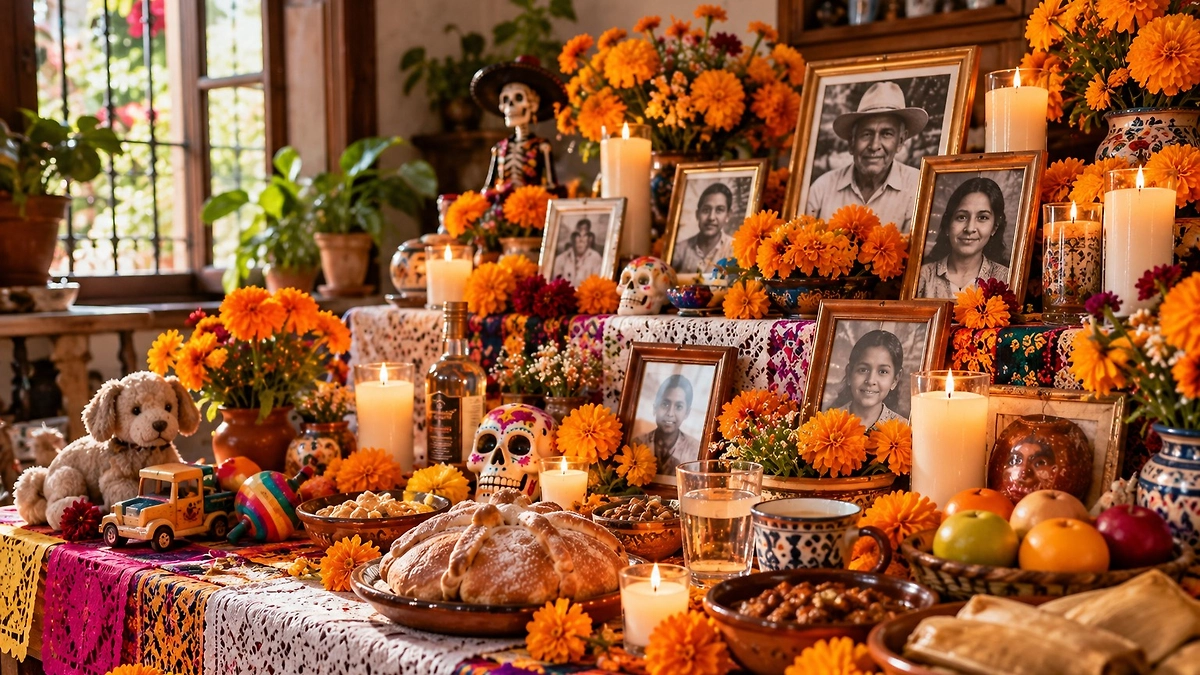
- Key elements: the ofrenda (home altar), cempasúchil marigolds, pan de muerto, and sugar skulls called calaveritas
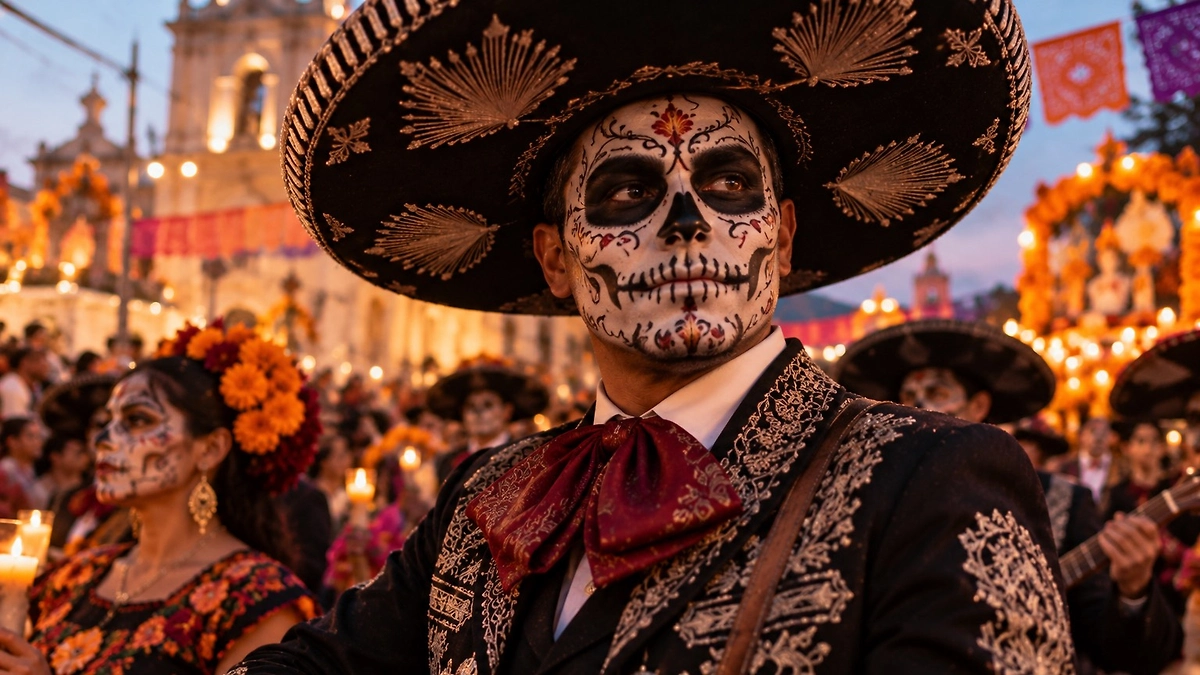
- The official parade in Mexico City appeared in 2016, inspired by the film 'Spectre'
- The official parade in Mexico City appeared in 2016, inspired by the film '007: Spectre'
A holiday where death is not a horror story
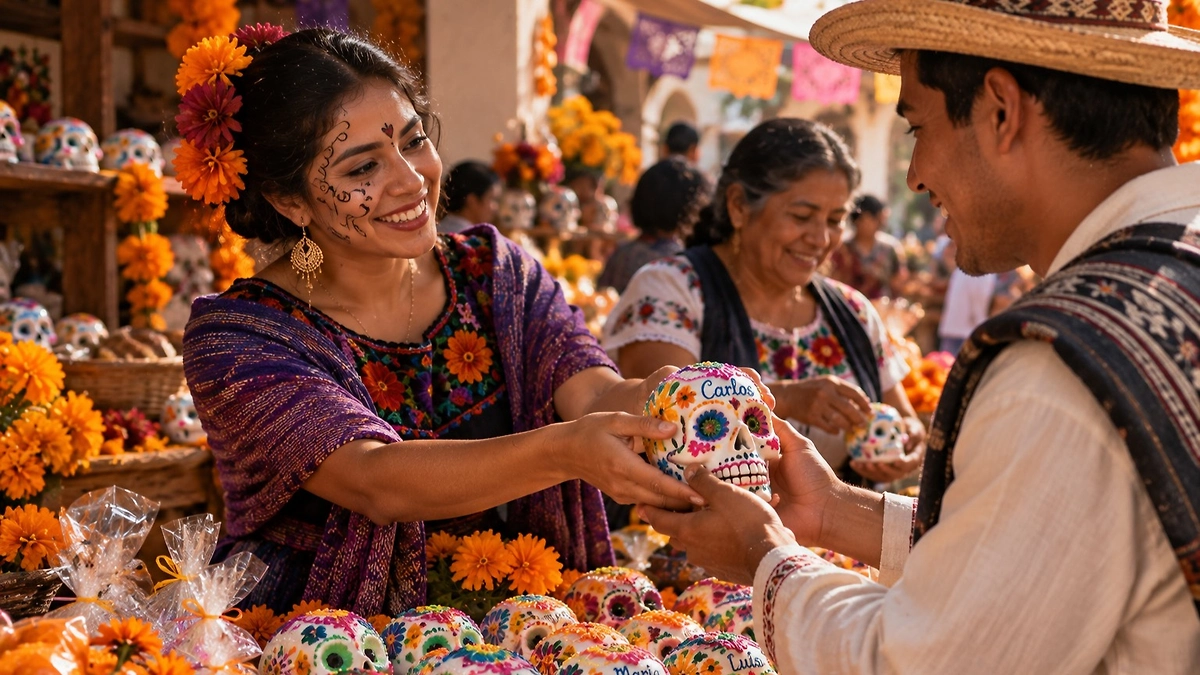
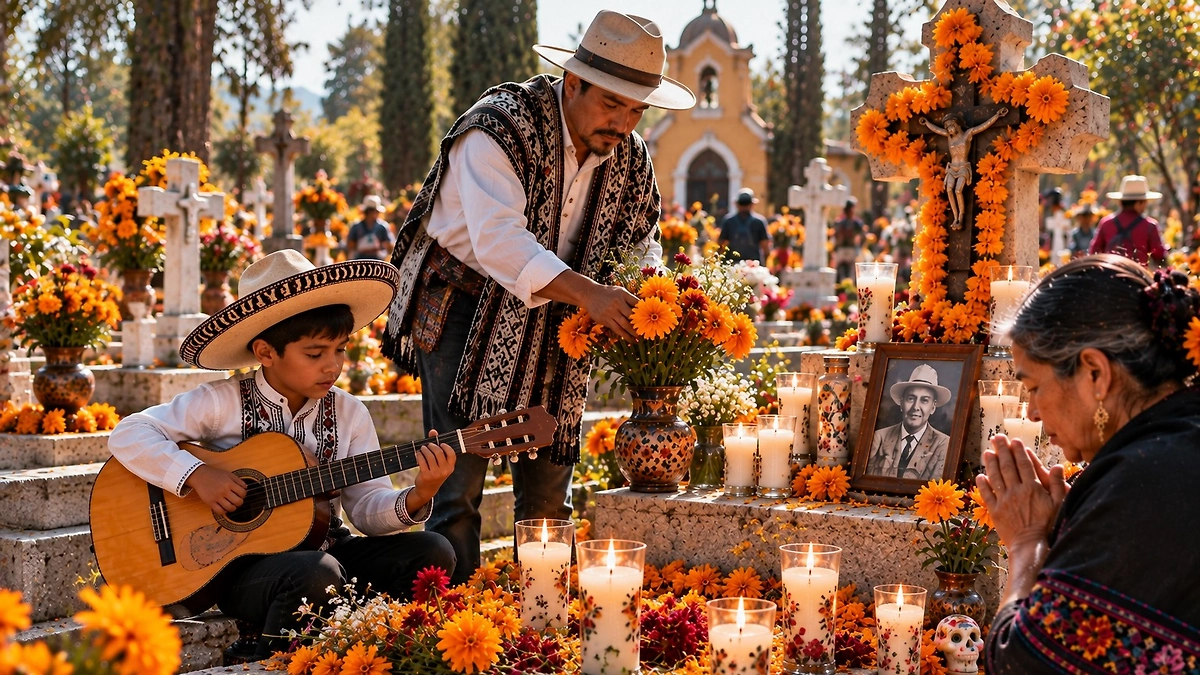
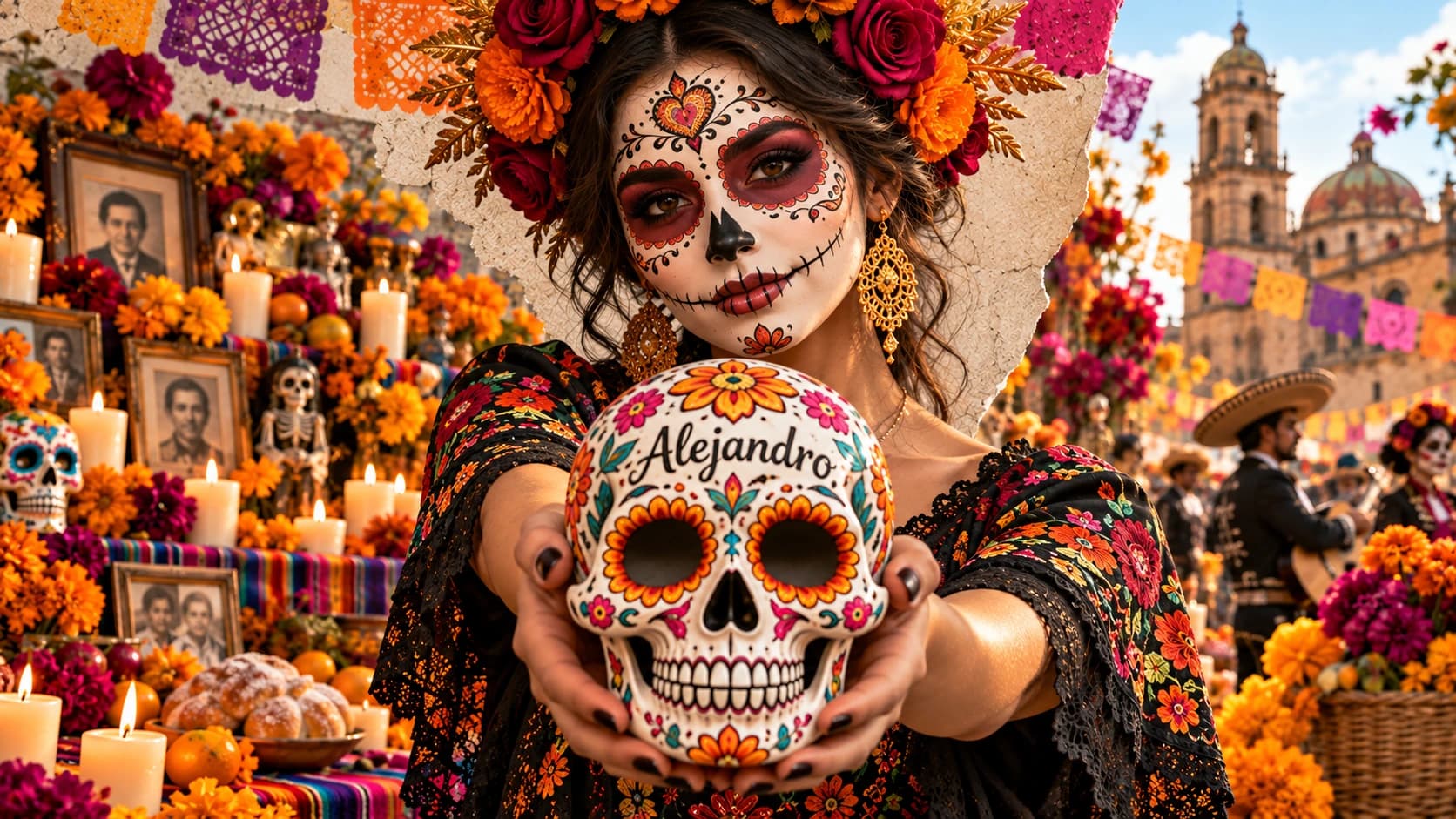
In early November, Mexico celebrates the Day of the Dead, or Día de Muertos. According to Life.ru, the main dates are November 1 and 2, although in some communities the rituals begin earlier and last longer. According to traditional beliefs, on these days deceased loved ones briefly return to their families, and the living prepare to receive them as honored guests: they take out photographs, light candles, and cook the departed's favorite food. A skull with a living person's name on it is an ordinary gift here, and a family may spend the entire night at the cemetery.
A complex origin and UNESCO recognition
The holiday has a complicated history: it combines the indigenous peoples of Mexico's ideas of connection with ancestors and the Catholic All Saints' Day and All Souls' Day. The publication emphasizes that it would be a mistake to consider the modern Day of the Dead an unchanged ritual of the ancient Aztecs — it took shape over centuries and acquired its own features in different regions of the country. In 2008, the festivities dedicated to the dead among Mexico's indigenous peoples were added to UNESCO's Representative List of the Intangible Cultural Heritage of Humanity.
How Día de Muertos differs from Halloween
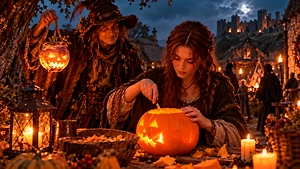
Despite the outward similarity, according to Life.ru, the holiday has nothing in common with Halloween. Mexicans remember their own deceased relatives, not 'evil spirits,' and the attributes are different: instead of pumpkins and scary costumes, there are brightly painted skulls, colorful outfits, and an abundance of flowers.
The altar, marigolds, and bread of the dead
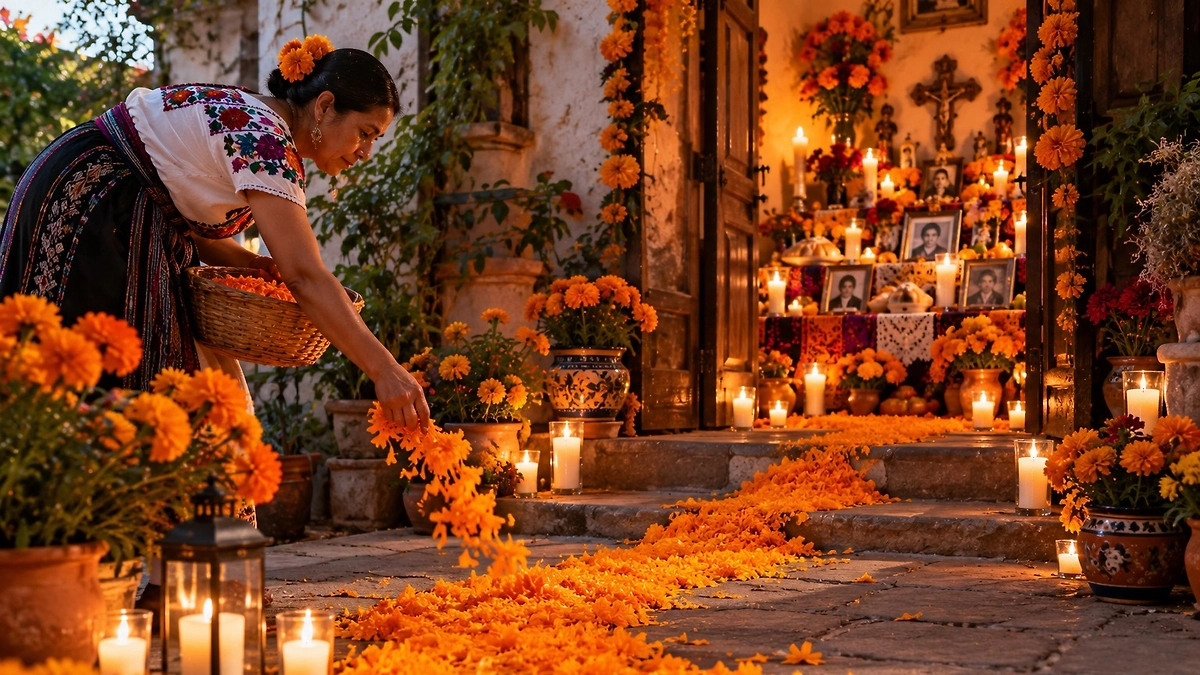
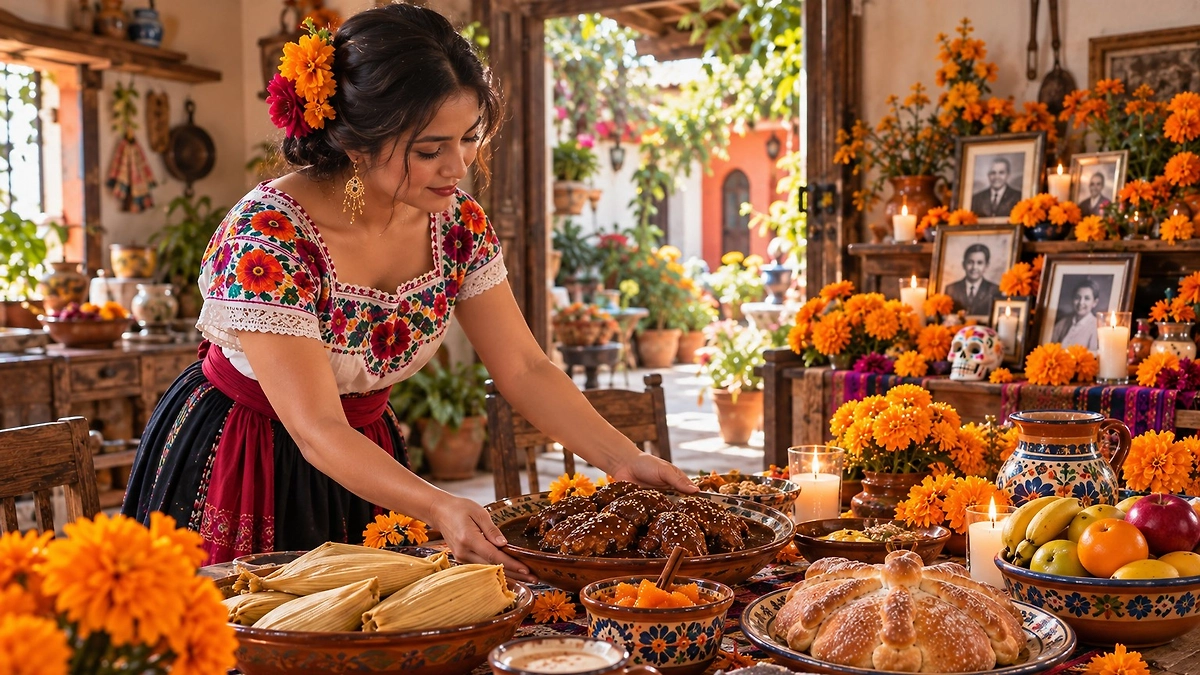
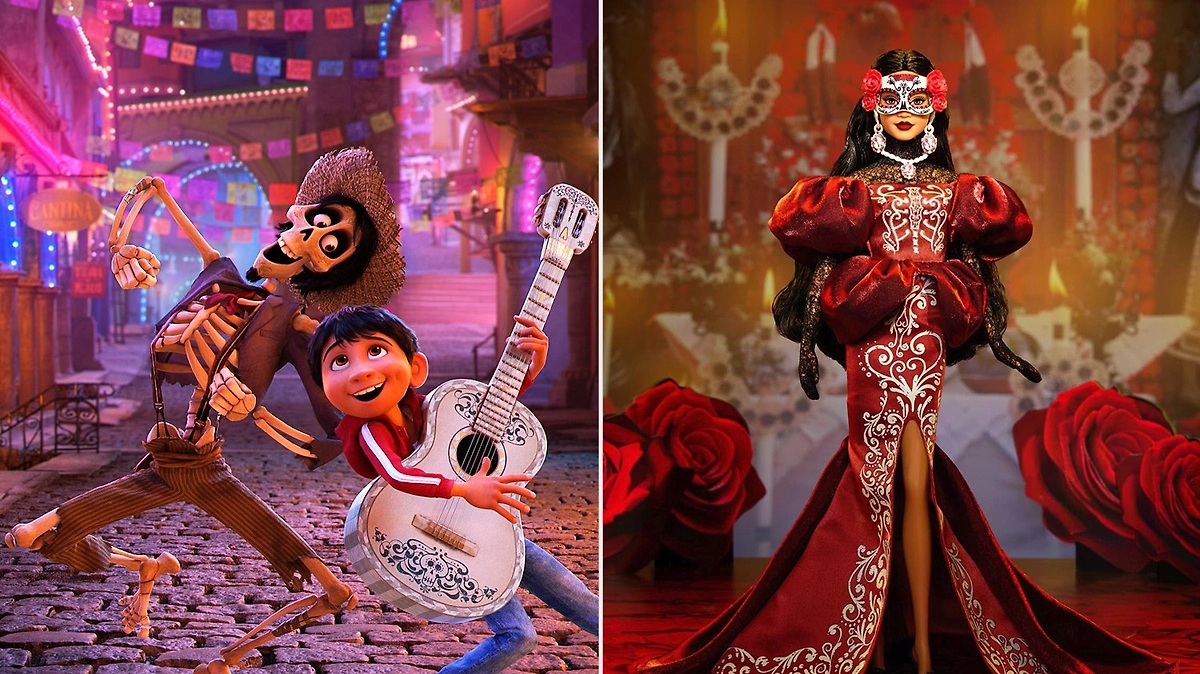
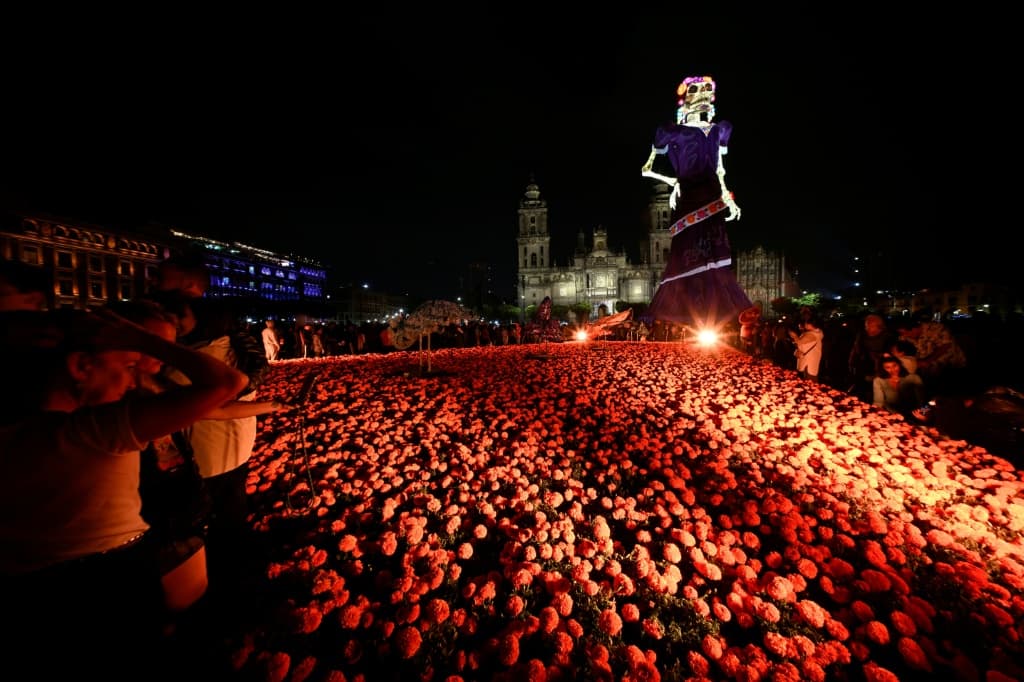
The centerpiece of home preparations is the ofrenda, an altar with offerings: photographs of those being remembered, their favorite food, and items connected with their lives. Water, according to belief, quenches thirst after the journey, the fire of candles helps find the way, and the scent of copal purifies the space. Paths to the altar are laid with marigold petals — in Mexico the flower is called cempasúchil, and it is believed that its color and strong scent help souls find their home. It was precisely such paths, the publication notes, that inspired the creators of 'Coco' to imagine the bridge between worlds.
Treats and family memory
The ofrenda features dishes the deceased loved: tamales, chicken with mole sauce, sweet pumpkin, atole. A special place belongs to pan de muerto — 'bread of the dead,' a round sweet bun with crossed strips of dough resembling bones; recipes vary by region. In Yucatán, the Maya have the Hanal Pixán tradition, 'food of the souls,' for which mucbipollo is prepared — a large tamal with meat filling wrapped in banana leaves and baked in an earth oven. According to local belief, souls take in the immaterial essence of the offerings, after which the living share the food.
Skulls with the names of the living and the path into pop culture
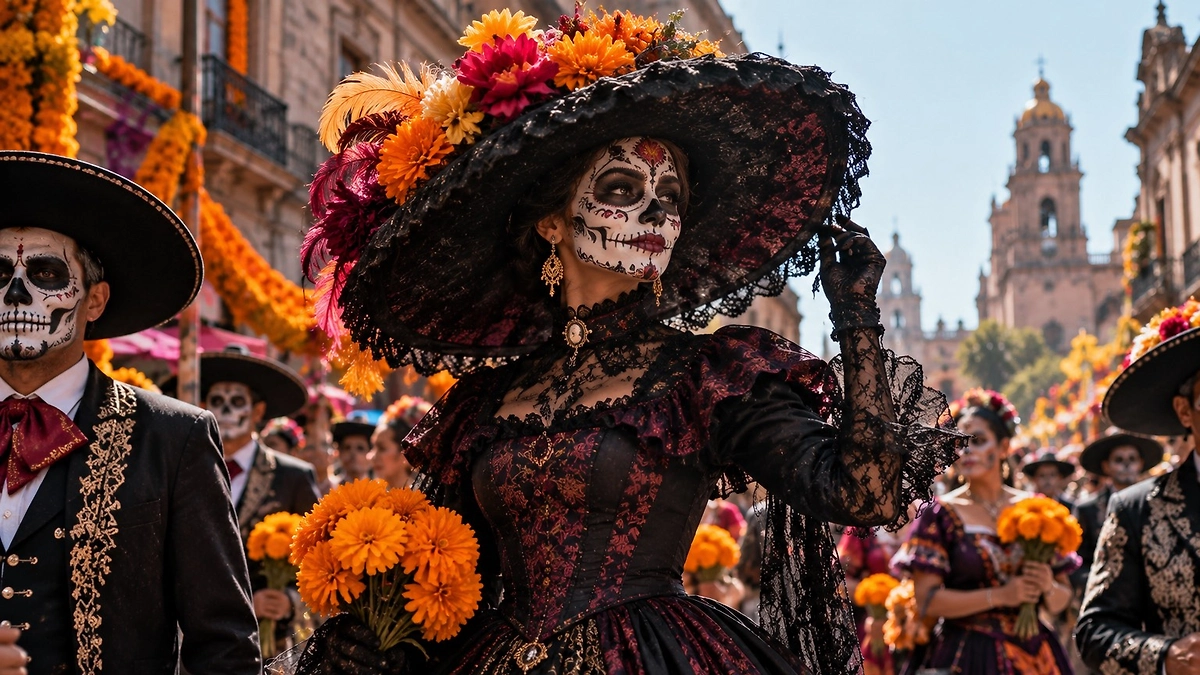
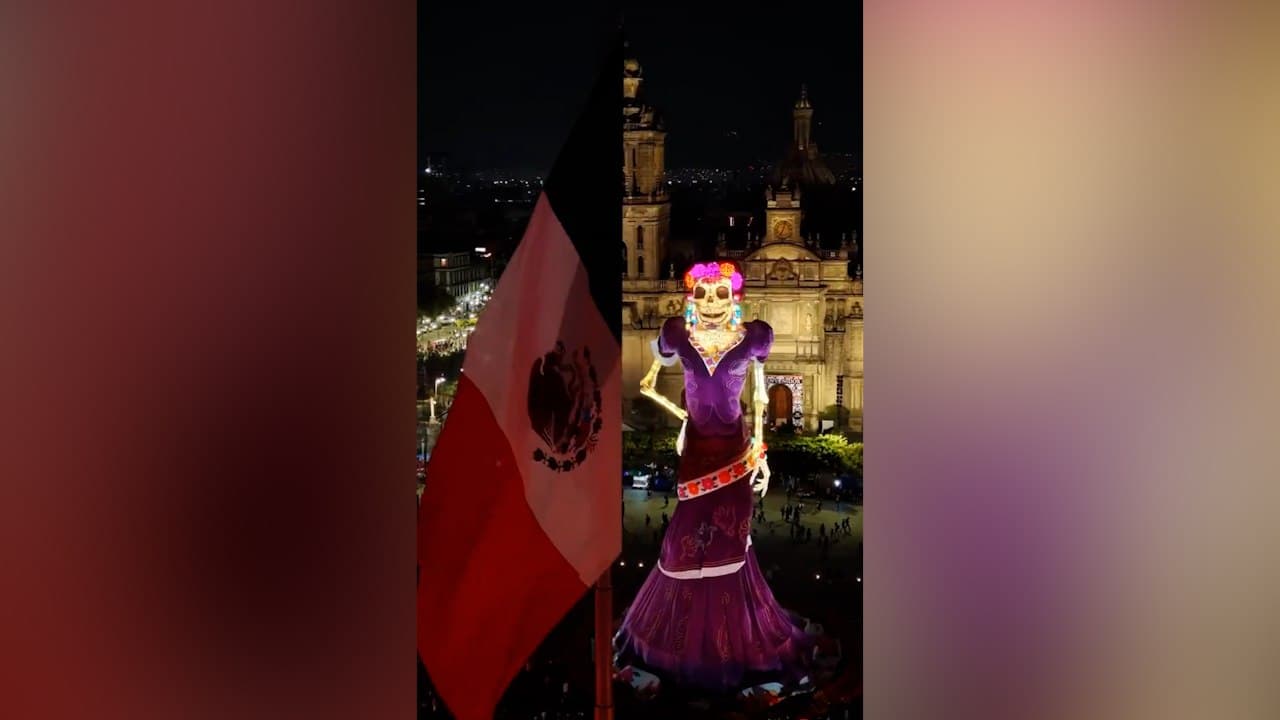
Sugar skulls, calaveritas, are made using the alfeñique confectionery technique that came from Spain and are given to one another; a living person's name may be written on the skull — within the tradition this is a reminder of life's impermanence. The image of Catrina, an elegantly dressed female skeleton, was created by the artist José Guadalupe Posada, and later Diego Rivera depicted the character full-length in a 1947 fresco. The holiday entered mass culture with 'The Book of Life' (2014), 'Coco' (2017), and 'Spectre' (2015): the procession shown in the Bond film in Mexico City prompted the capital's authorities to organize a large official Day of the Dead parade in 2016. Since 2019, Mattel has been releasing dolls Barbie Día de Muertos, which launched a separate series.