The key facts
- The UK government may delay equalizing the minimum wage for young people until the next election.
- In 2026, the gap remains: £11.27 for ages 18–20 versus £13.21 for those over 20.
- Chancellor Healey confirmed readiness to cut public spending by more than 2% annually, despite expert skepticism.
Delayed promise on minimum wage
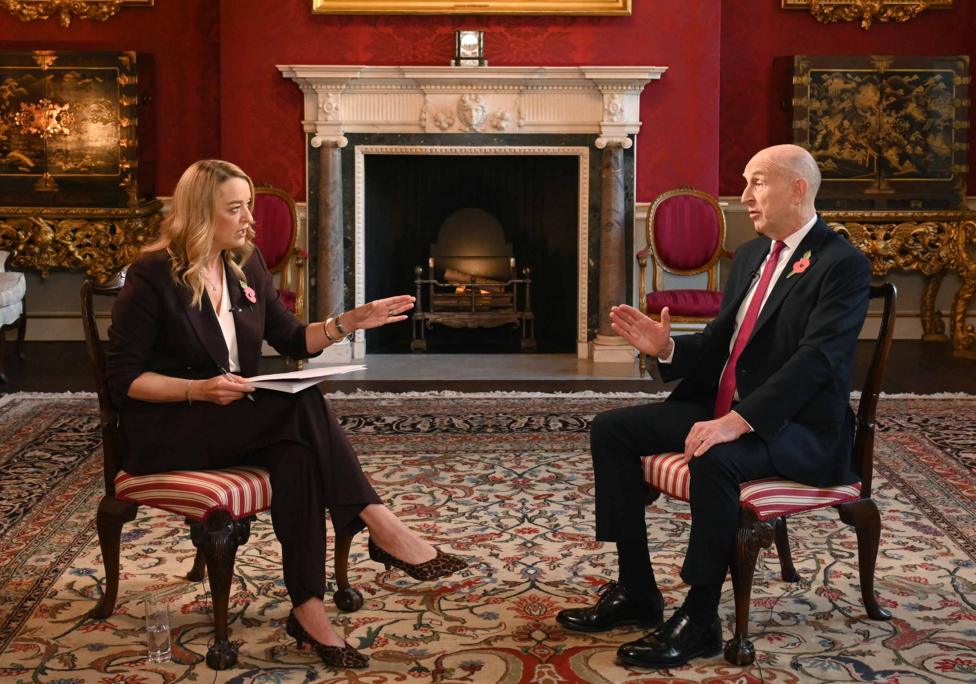
Chancellor of the Exchequer John Healey acknowledged that the UK government might not fulfill the Labour Party's pledge to eliminate the minimum wage gap for young workers before the next election. In 2024, the party committed to abolishing discriminatory age categories; however, the 2026 budget maintains the disparity: the hourly rate for workers aged 18–20 will be £11.27, while those over 20 will receive £13.21. In an interview to be broadcast on the BBC, Healey stated that the government will proceed 'step by step,' emphasizing that the issue is not whether equalization will occur, but how quickly it will happen. The Chancellor explained this stance by highlighting the need to balance wage levels with employment numbers, aiming to involve both businesses and trade unions in the process.
Spending cut plans and expert reactions
Beyond wage issues, John Healey expressed readiness for significant cuts to public spending to reduce the debt level. Budget documents outline real reductions in funding for certain departments in the coming years. The Chancellor confirmed that the government is prepared to make difficult decisions and plans to implement cuts exceeding 2% annually for specific departments as part of a ten-year plan and the next spending review. However, the independent Institute for Fiscal Studies (IFS) expressed doubt about the government's ability to deliver on these spending reduction promises. Healey insists that preparations for such decisions are already underway and described the current situation, with millions of young people lacking employment prospects, as a 'moral shame for the nation.'