The key facts
- Burnham stated outright that there will be no election in the next 12 months; almost three years remain until the mandatory election
- Burnham stated outright that there will be no election in the next 12 months; nearly three years remain until mandatory elections
- Healey's budget includes £100 of help with energy bills, an extension of the reduced VAT on electricity, and the Your First Home programme for young homebuyers
- The Liberal Democrats put the chance of an election on 10 December at 30% and moved the party into 'snap election mode'; Farage considers a May election possible
- The Liberal Democrats put the chance of an election on 10 December at 30% and moved the party into a 'snap election mode'; Farage allows for an election in May
Why talk of an early election refuses to die down
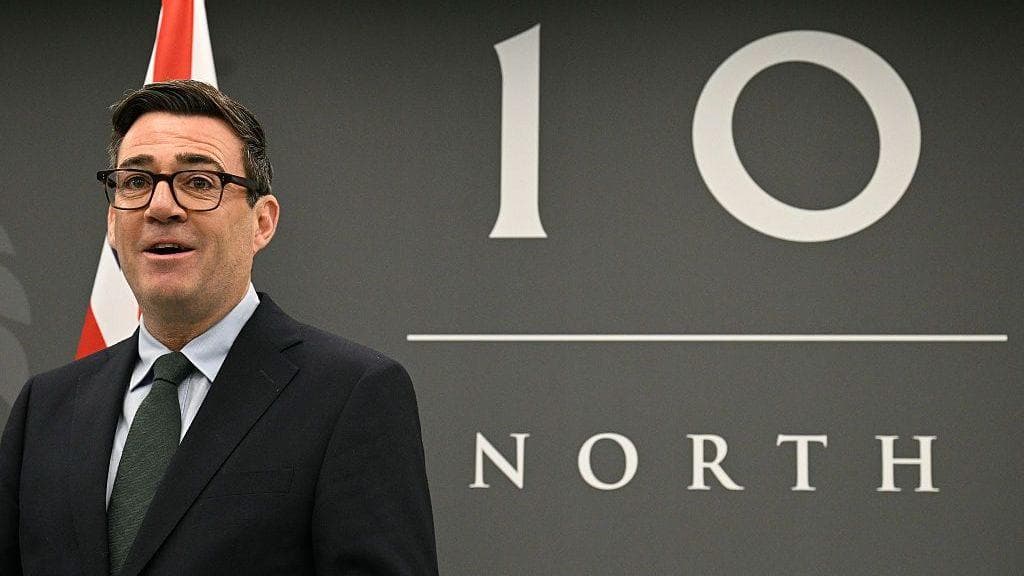
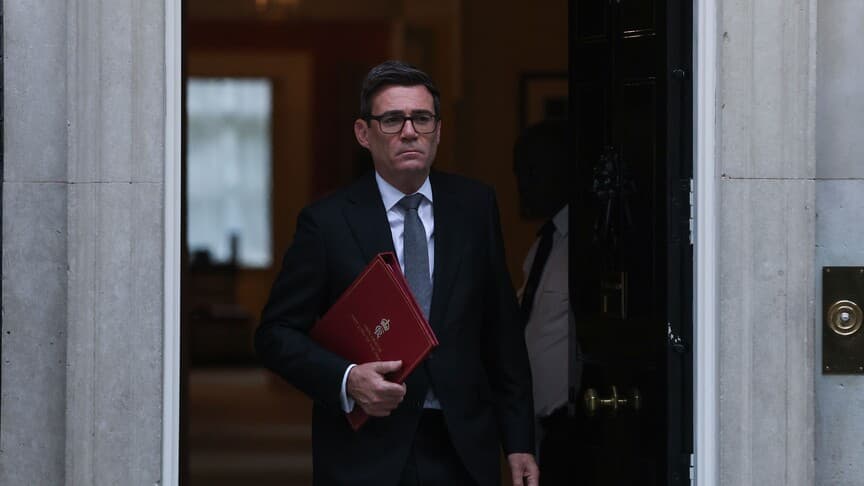
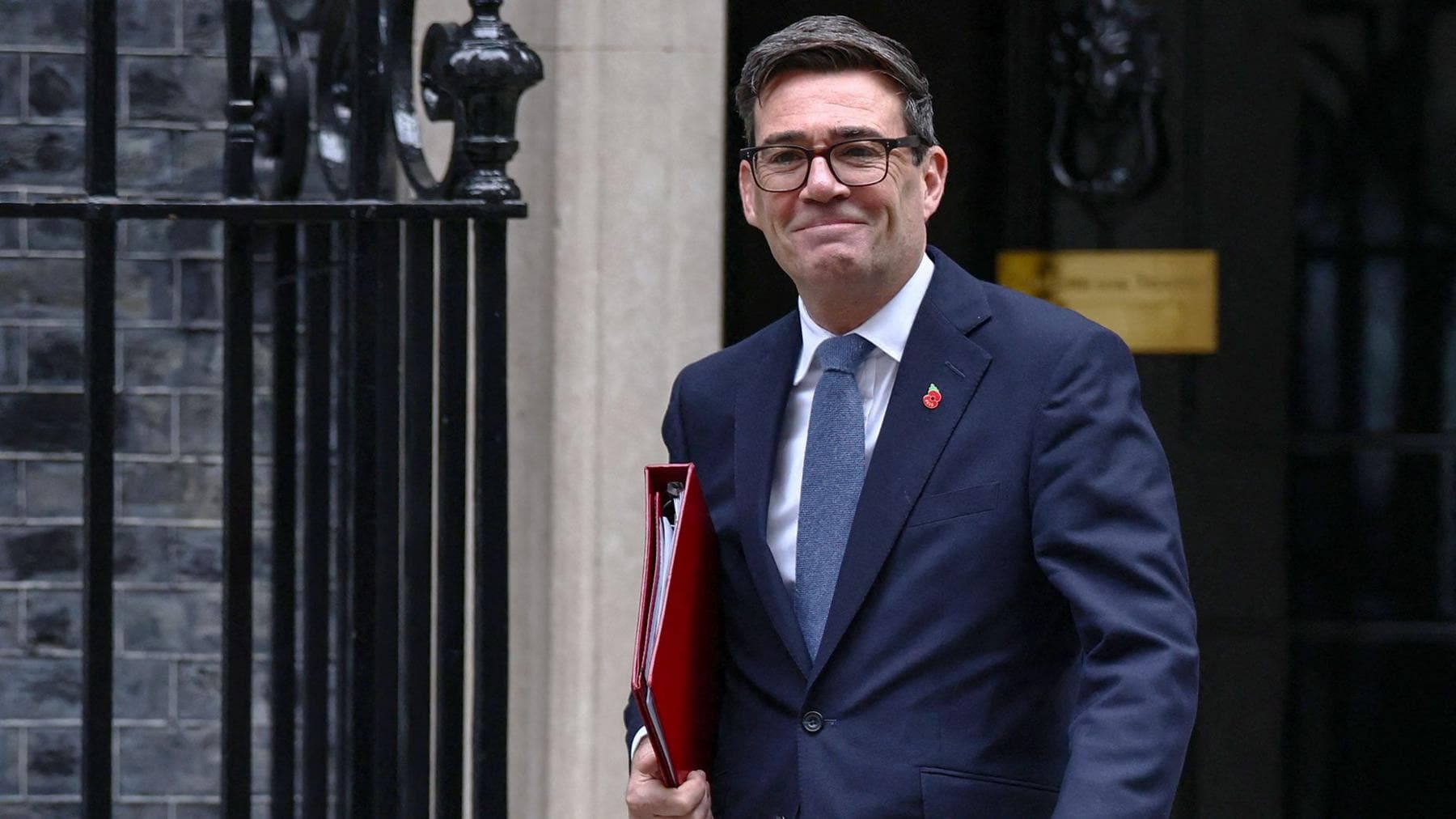
UK Prime Minister Andy Burnham has almost three years until the deadline for holding a general election (August 2029) and has repeatedly ruled out an early vote. On Wednesday he stated outright that there will be no election in the next 12 months — yet the discussion in parliament has only intensified since Chancellor John Healey's budget, notes BBC News in its analysisdevoted to the topic.
The arguments of those who believe in a 'pre-election budget'
The main argument of those expecting a campaign is the structure of the budget. In the view of one former Labour minister, politically advantageous, if modest, measures are being handed out now, while all the difficult and unpopular decisions on welfare and defence have been postponed until the autumn spending review — which could create a 'window' for a spring election. Other BBC sources also described Healey's plans as resembling an election manifesto: it includes £100 of help with energy bills for many households, an extension of the reduced VAT on electricity, and the Your First Home scheme to help young voters buy their first home. Conservative leader Kemi Badenoch questioned why some of these measures run only until the summer — is the prime minister planning to go to the country before they expire? (The counter-argument: pressure on energy bills is lower in summer.) A further point is Burnham's current popularity and Labour's lead in most polls after several difficult months for Reform, which previously topped the ratings. Some Labour MPs are so confident of an early election that they have instructed their staff to prepare for a campaign in the first half of next year.
The arguments against and the opposition's position
The Liberal Democrats have put the chance of an election on 10 December at 30% and have moved the party into 'snap election mode'; Reform UK leader Nigel Farage considers a May vote possible. BBC, however, stresses that predictions of an early election come mainly from opposition MPs, for whom the noise may be beneficial. The facts also argue against the campaign theory: Burnham has repeatedly ruled out an election publicly, and one veteran Conservative believes that after such categorical denials a U-turn would damage the 'Burnham brand'. Moreover, the Office for Budget Responsibility describes the overall economic outlook as 'fairly bleak': household disposable income is forecast to fall in the coming months, interest rates are expected to rise, and the situation in the Middle East remains uncertain. Labour MPs themselves assess the budget with restraint — 'too modest to be a pre-election budget', 'crumbs for everyone' — and one of them summed up: 'After a budget like this there will be no early election. We would be toast.' Another argument against: with their huge parliamentary majority, Labour, if they need to raise taxes contrary to the manifesto, can do so without an election.
Historical parallels
BBC recalls two turning points from British history. Gordon Brown, as prime minister and leading in the polls, chose not to call an early election in 2007 — and the question remains whether Labour would have held on to power had he gone to the country then. Theresa May, by contrast, announced a snap election in April 2017 at the peak of her popularity — and the Conservatives lost their majority. Burnham, who promises a 'rebuilding of the British state' and a 10-year plan in the coming weeks, as well as a detailed plan for social care in England, will have to weigh the risks of both scenarios.
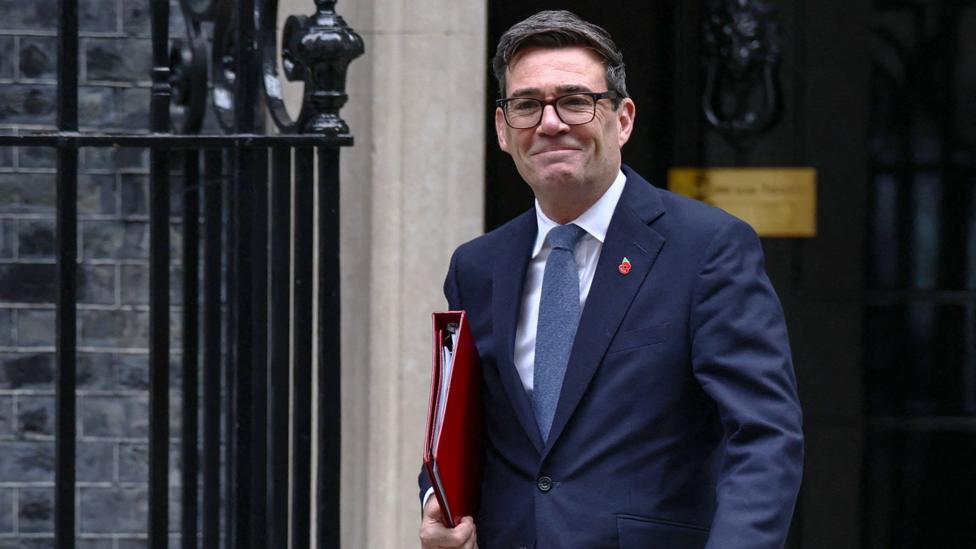 Image source, Getty Images
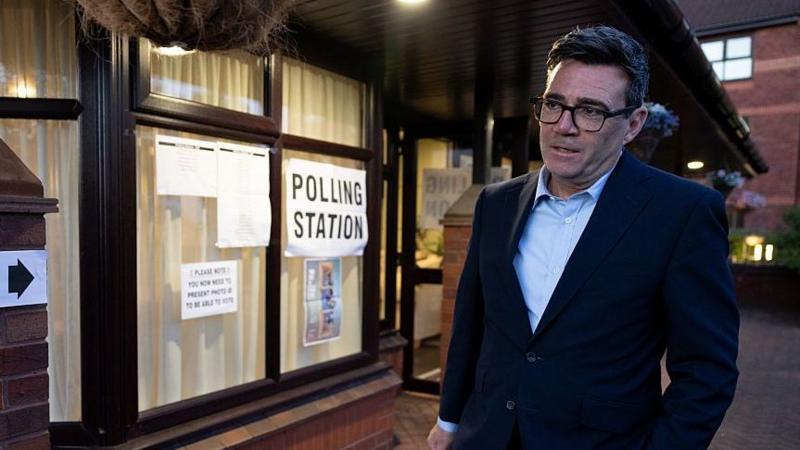 Image source, Getty Images
Andy Burnham arrives to vote in July's Greater Manchester mayoral elections
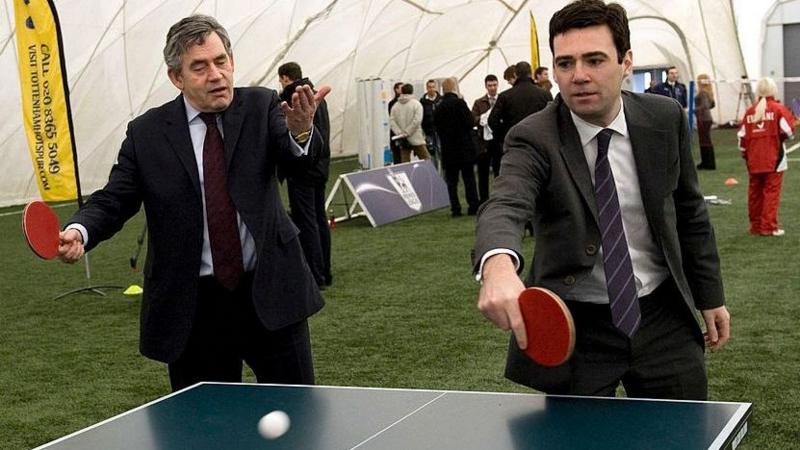 Image source, Getty Images
Burnham was a member of Gordon Brown's losing team in 2010
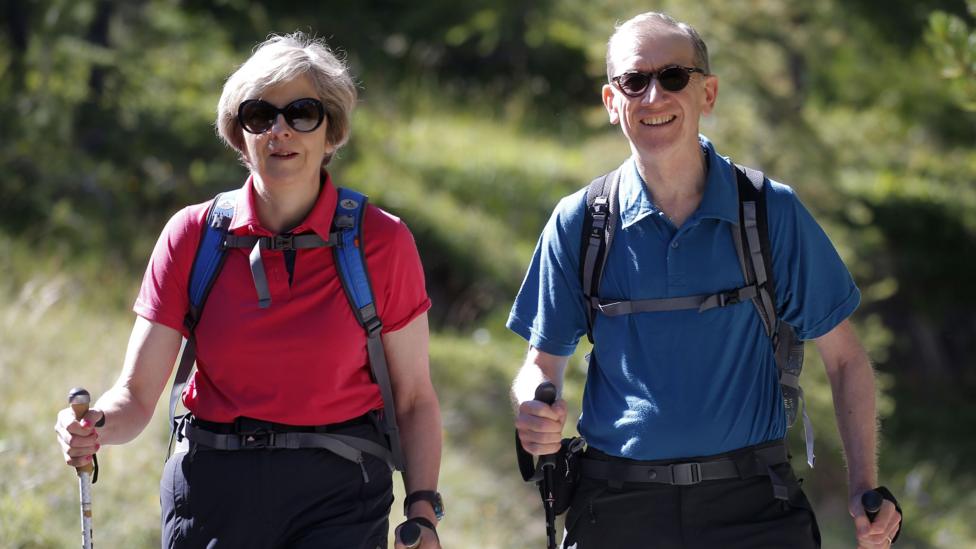 Image source, Getty Images
Theresa May, pictured here with husband Philip, decided to call a snap election while on a walking holiday