The key facts
- Usman Yusupov led Uzbekistan from 1937 to 1950 and began his working life at a cotton plant
- In the 1950s, the Ministry of Cotton Growing was created in the USSR specifically for him
- After Stalin's death the ministry was abolished, and Yusupov was removed from his post in Tashkent and sent as director of a sovkhoz in Boyut
From farmhand to minister
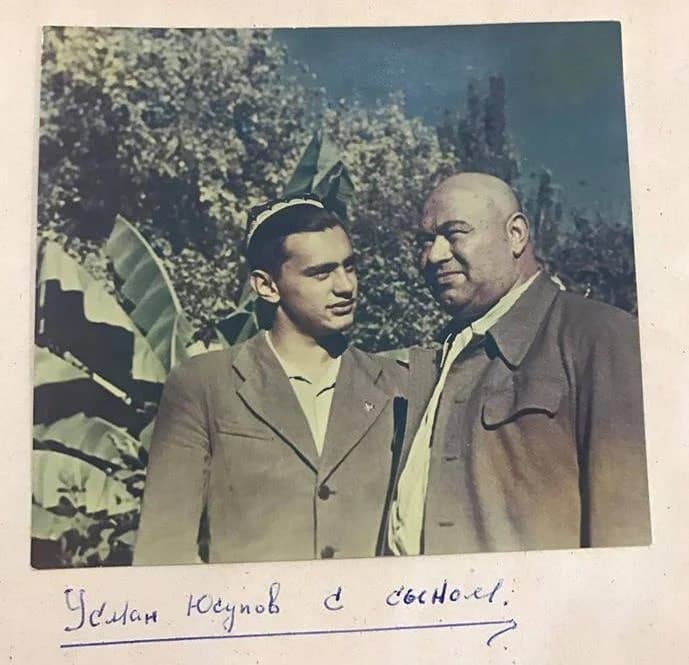
Kun.uz published a historical piece about Usman Yusupov, who led Uzbekistan from 1937 to 1950 and, in the outlet's words, was a 'cotton man' in the literal sense: from childhood he labored in the fields, from his youth he worked at a cotton processing plant, and his entire later life was connected with 'white gold.' Yusupov was born in 1900 in the Tashlak district of Ferghana region into a farmhand's family. In 1916 his family moved to Yangiyol in Tashkent region, where 16-year-old Usman began working at a cotton plant to help his parents. In 1923 he married Anastasia Bolshakova. The outlet notes that in those years marrying a Russian or Ukrainian girl accelerated one's career advancement along the party line — and in Yusupov's case, according to Kun.uz, that is exactly what happened: he was soon appointed to a responsible position. In 1926 he headed the builders' union of Tashkent, then became chairman of the trade union council of the Tashkent district, and in 1928 — secretary of the Tashkent city committee of the Communist Party. After divorcing Anastasia in 1929, he married a Ukrainian Komsomol member, Yulia Stepanenko, and that same year began work as secretary of the Central Committee of the Communist Party of Uzbekistan. In 1936 Yusupov became Minister of the Food Industry of the Uzbek SSR.
'Troika' and the Great Terror
The article is not limited to his career and recalls the dark side of Yusupov's biography. In the summer of 1937, a wave of repression known as the 'Great Terror' began in the USSR, and it reached Uzbekistan as well: thousands of people from various spheres were arrested, including the republic's leader Akmal Ikramov and the chairman of the government Fayzulla Khodjaev. In those years, Kun.uz notes, Yusupov was a member of the 'Troika' — a body that decided the fate of the arrested without trial. The outlet emphasizes that Yusupov's life was not smooth: alongside successes there were dangerous times as well.
Disgrace after Stalin
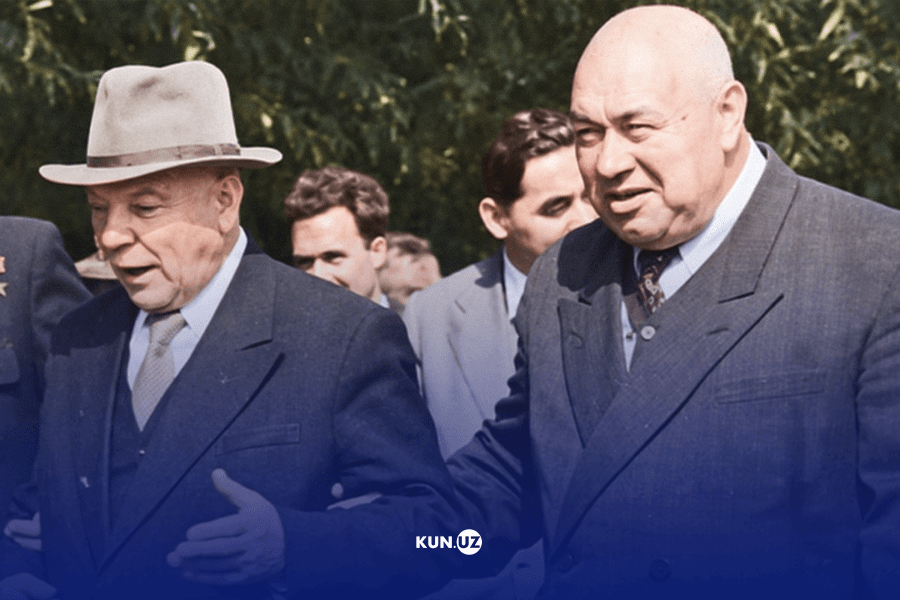
The peak of Yusupov's career came in the 1950s: it was specifically for him, according to the outlet, that the Ministry of Cotton Growing was created in the USSR. However, after Stalin's death the situation changed dramatically: first the ministry was abolished, then Yusupov was relieved of his senior post in Tashkent and 'exiled' to be the director of a sovkhoz in Boyut. It is precisely this turn of events — from minister to head of a remote sovkhoz — that is featured in the headline of the article, which asks why Yusupov fell out of Khrushchev's favor. The answer to this question is not revealed in the retold portion of the publication: the available text breaks off at the events of 1937, so the reasons for his disgrace remain outside the material presented.