The key facts
- Euronews journalist Monica Pinna waited seven days for her breast biopsy results; cancer was not confirmed
- Euronews journalist Monica Pinna waited seven days for the results of a breast biopsy; cancer was not confirmed
- Five-year survival for breast cancer detected early approaches 100%, versus 38% at a late stage
- Only 16 of the 27 EU countries include psychological support in the cancer patient's care pathway
- Only 16 of the 27 EU countries include psychological support in the cancer patient’s care pathway
A week of waiting between biopsy and result
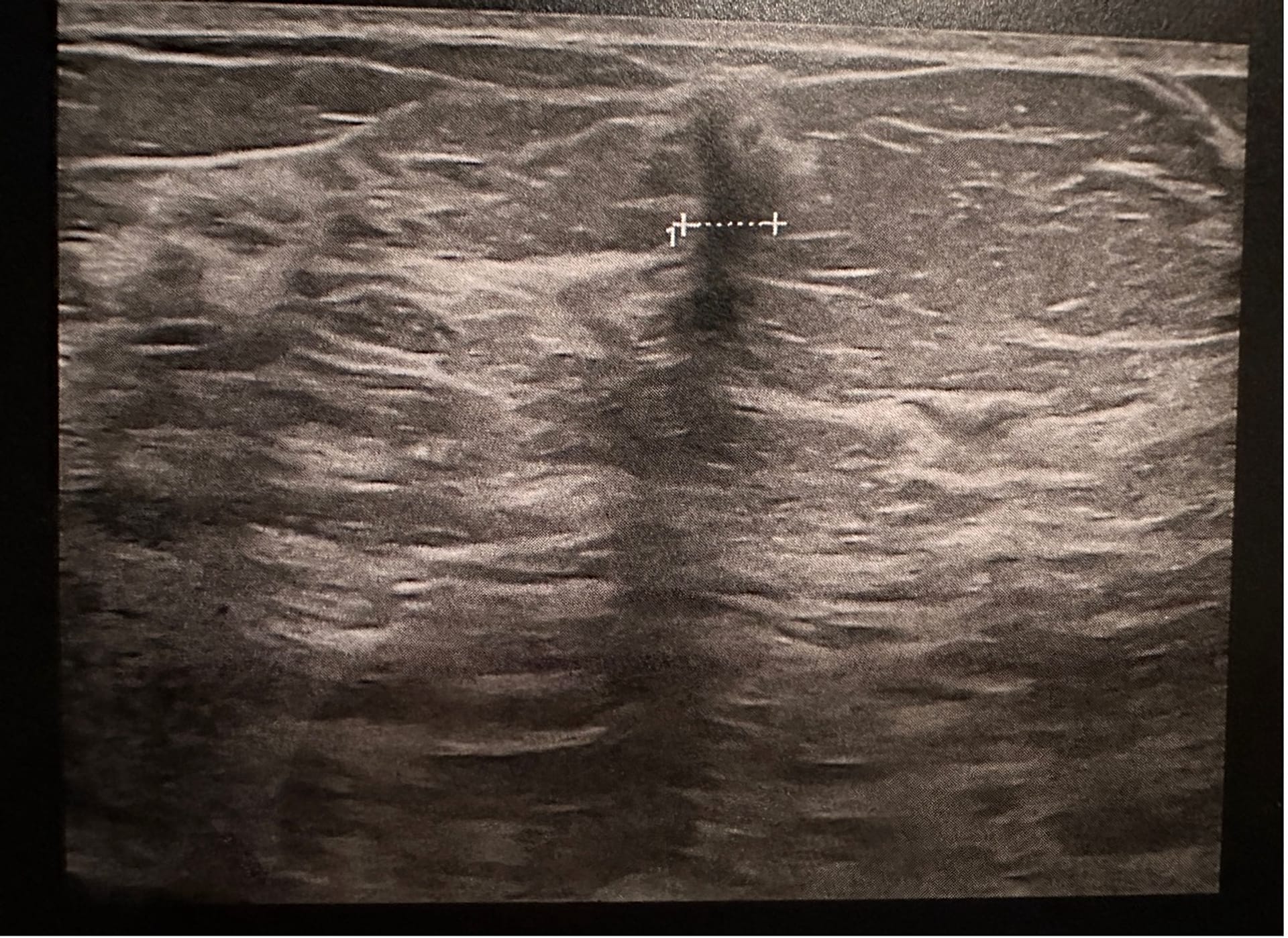
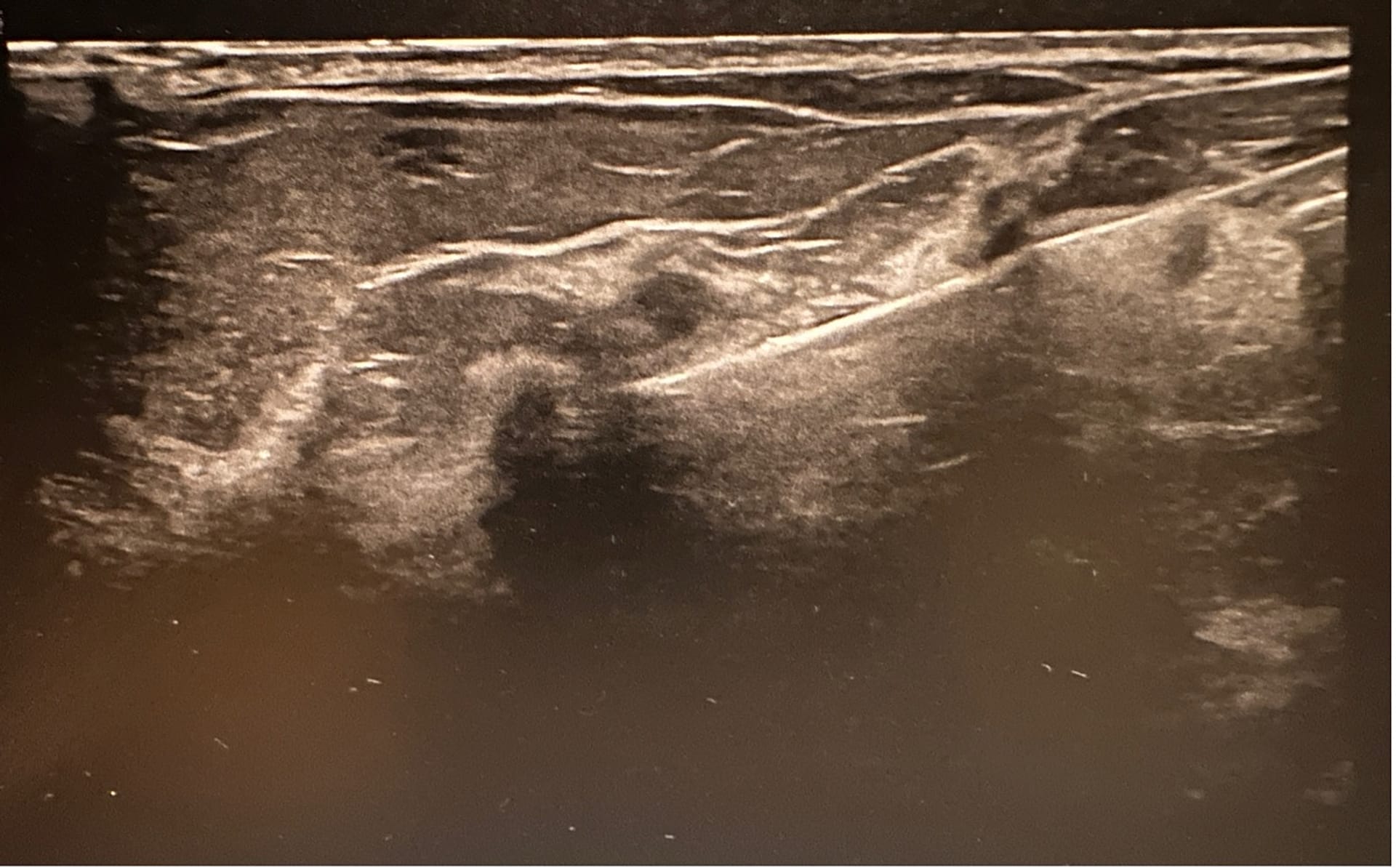
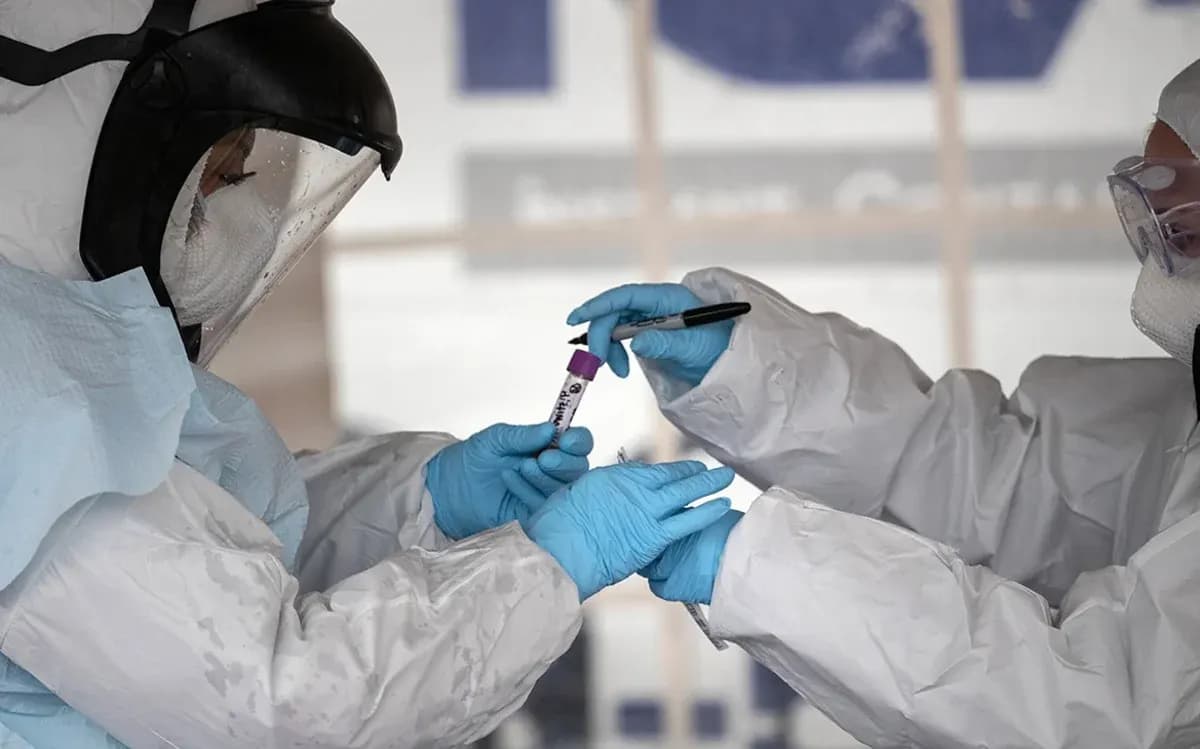
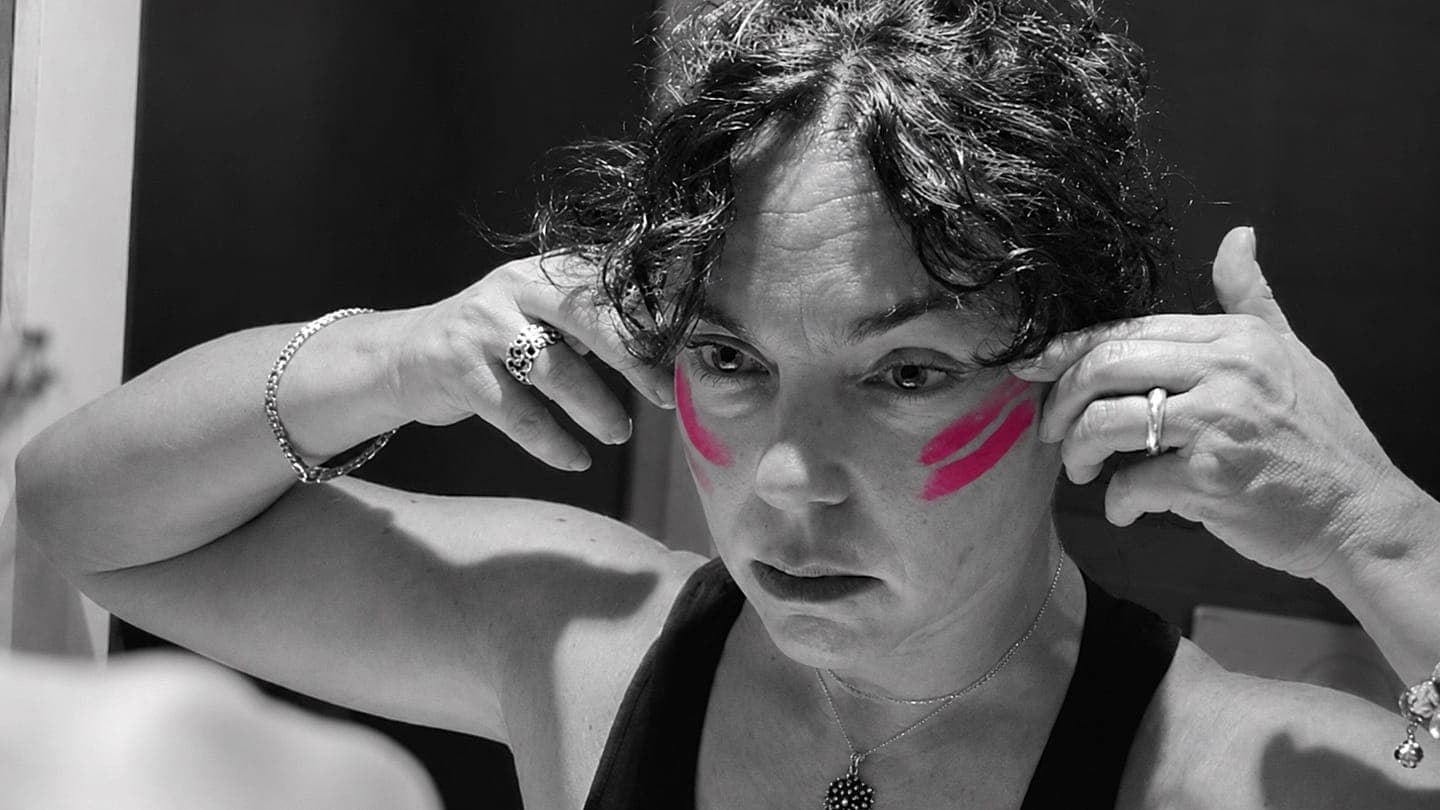
Euronews correspondent Monica Pinna published a personal report about the week she spent in uncertainty after a routine breast examination. The mammogram in Lyon came back normal, but during the ultrasound the radiologist spotted 'a darker patch that does not disappear when the probe moves' and recommended a biopsy. Two days later, under local anaesthesia, the cannula entered the breast tissue five times, and a seven-day wait for the result began.
What her experience reveals about the healthcare system
The author notes that in France the whole journey — mammogram, ultrasound, biopsy — took only a few days, whereas in other countries patients wait days between examinations and weeks for a biopsy. This is confirmed by data cited by the publication itself: the median time from screening to diagnosis is eight days in Denmark and 32 days in Romania. The OECD identifies long waits for specialist consultations, imaging and diagnostic tests as a problem in several countries, including Ireland, Greece, Romania and Spain.
Unequal access to screening
According to the data cited in the publication, when breast cancer is detected before it spreads, five-year survival approaches 100%, compared with 38% for a late-stage diagnosis. The European Commission is allocating around €80 million to strengthen screening under the plan Europe's Beating Cancer Plan, yet access to examinations remains uneven — due to how screening is organised, appointment availability, out-of-pocket costs and awareness. Luis Sejo, co-chair of the prevention and early detection network of the European Cancer Organisation, stated, according to the author: 'Inequalities in cancer screening cost people their lives.'
Screening participation and the scale of the problem
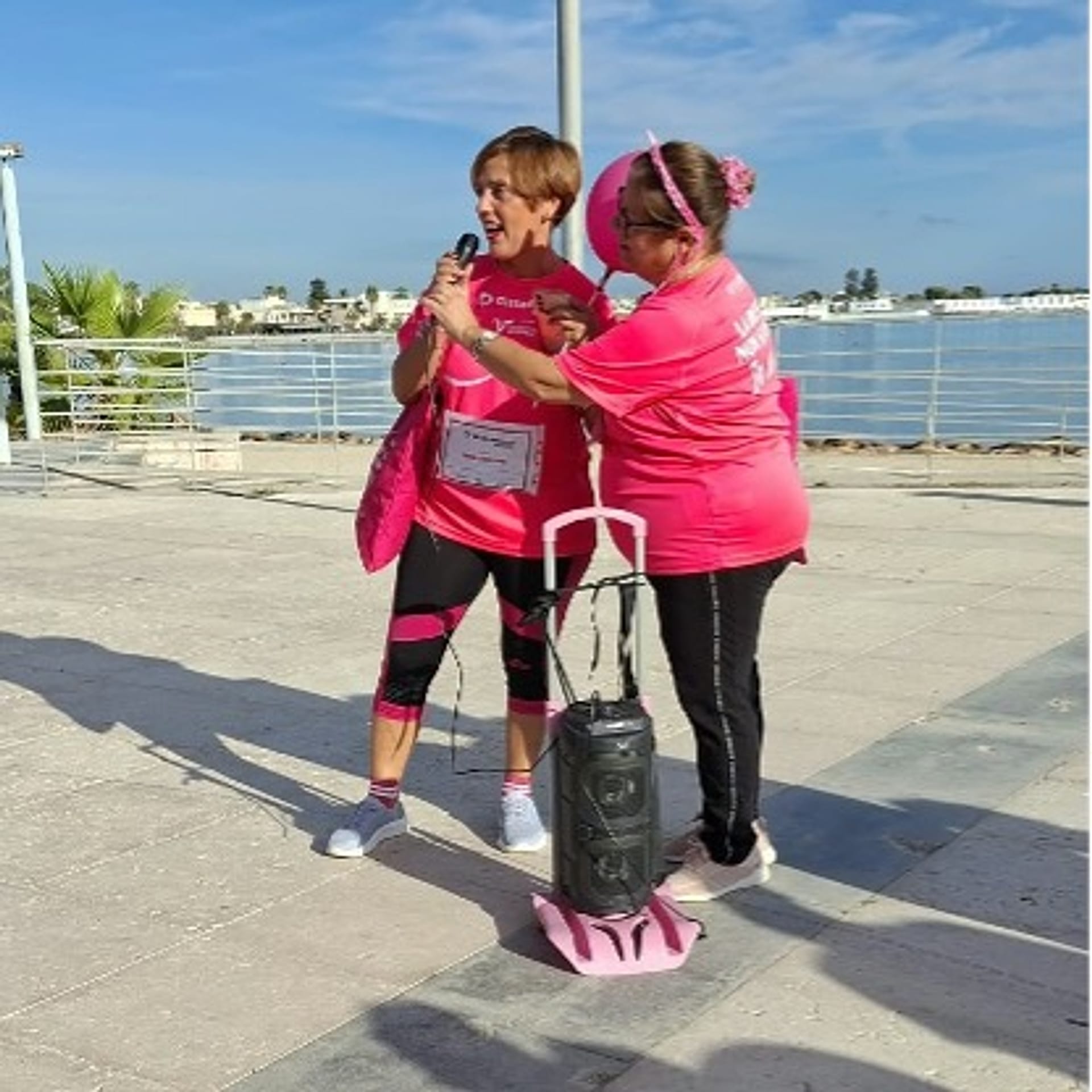
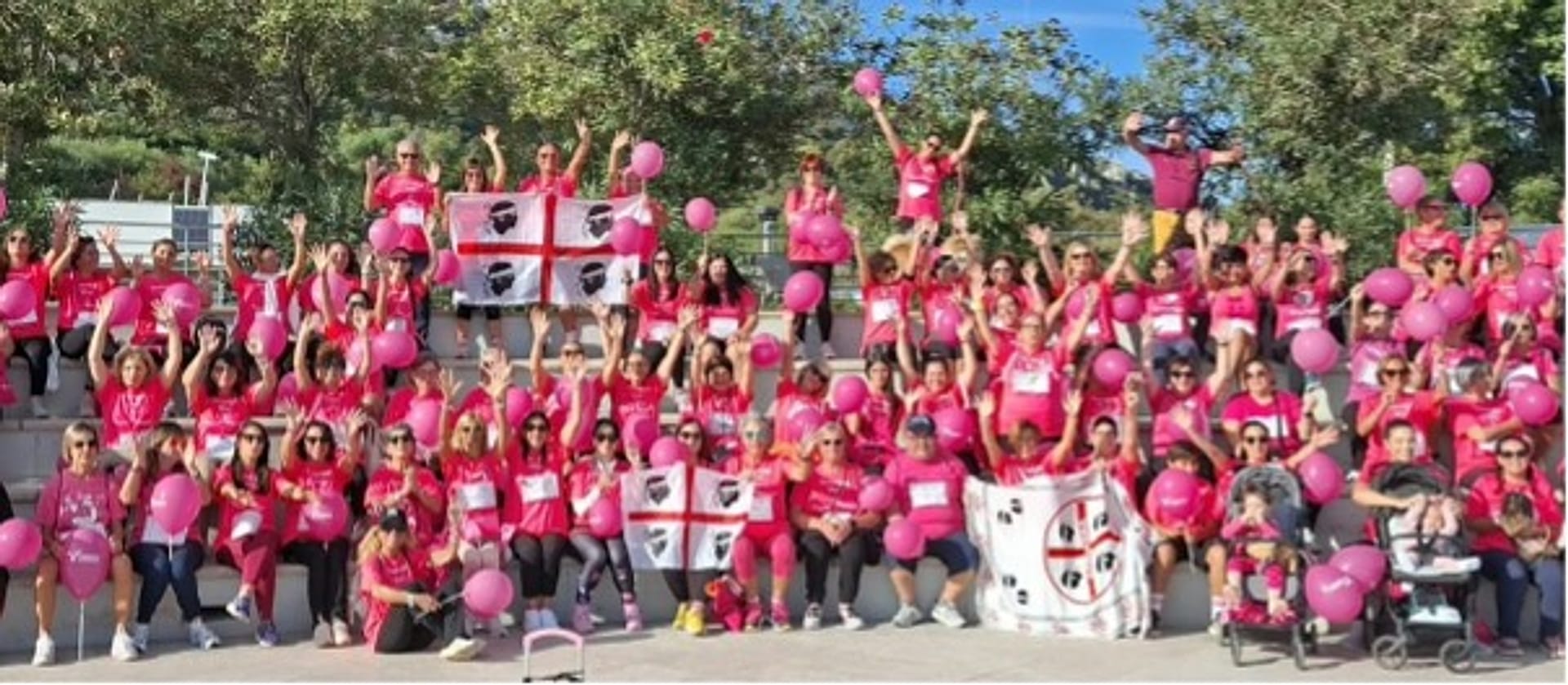
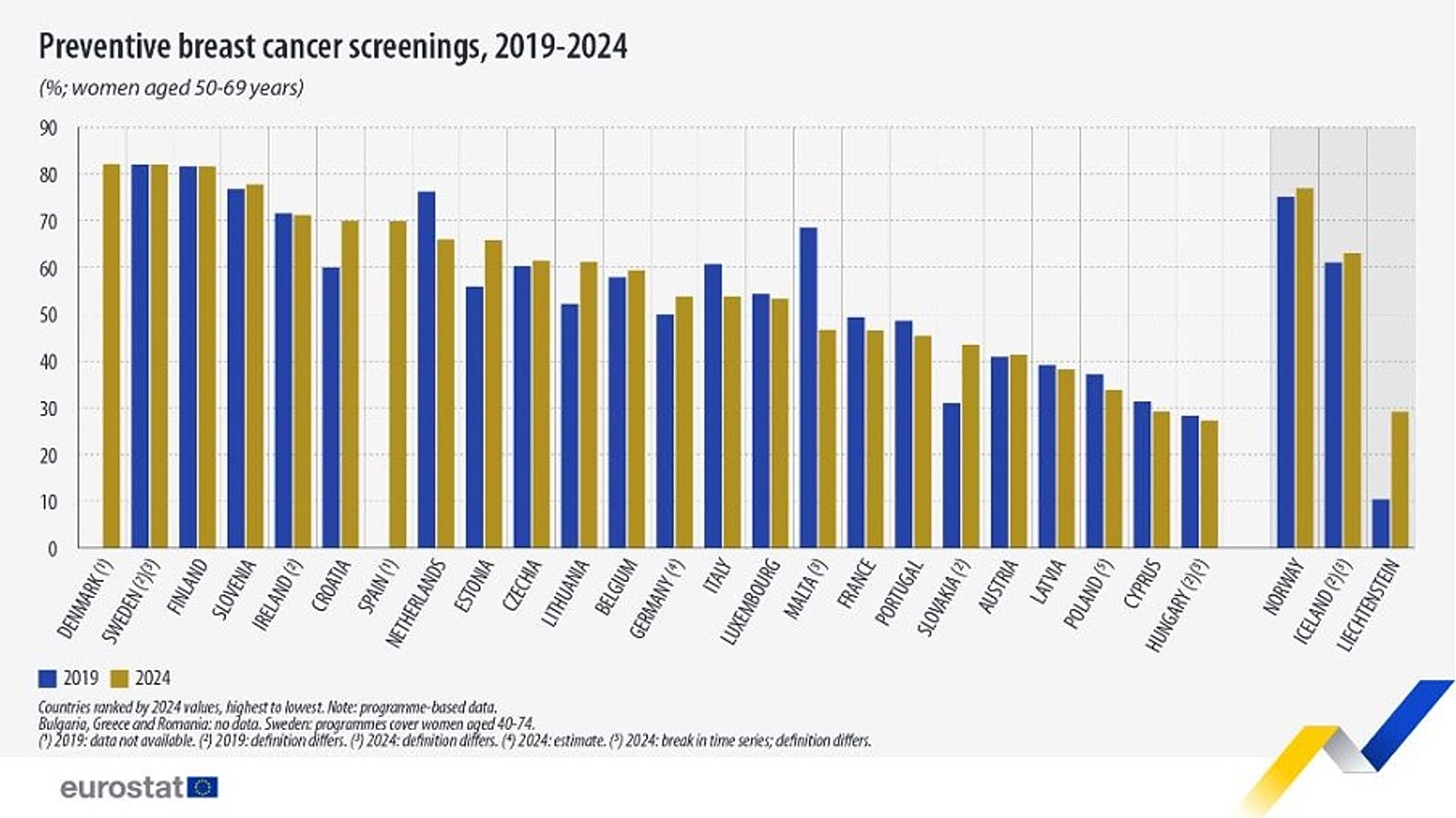
Despite the annual Pink October campaigns, participation in organised breast cancer screening in France remains below 50%, according to the publication — the journalist herself, who knew the statistics and her family's medical history, postponed booking for more than a year. Compared with 2019, screening rates have risen in nine EU countries with available data; the largest increase was in Slovakia (more than 12%), followed by Croatia and Estonia. Every year, around 360,000 women in the EU are diagnosed with breast cancer, 61,000 of them in France; one in eleven women will develop it during her lifetime.
Psychological support remains scarce
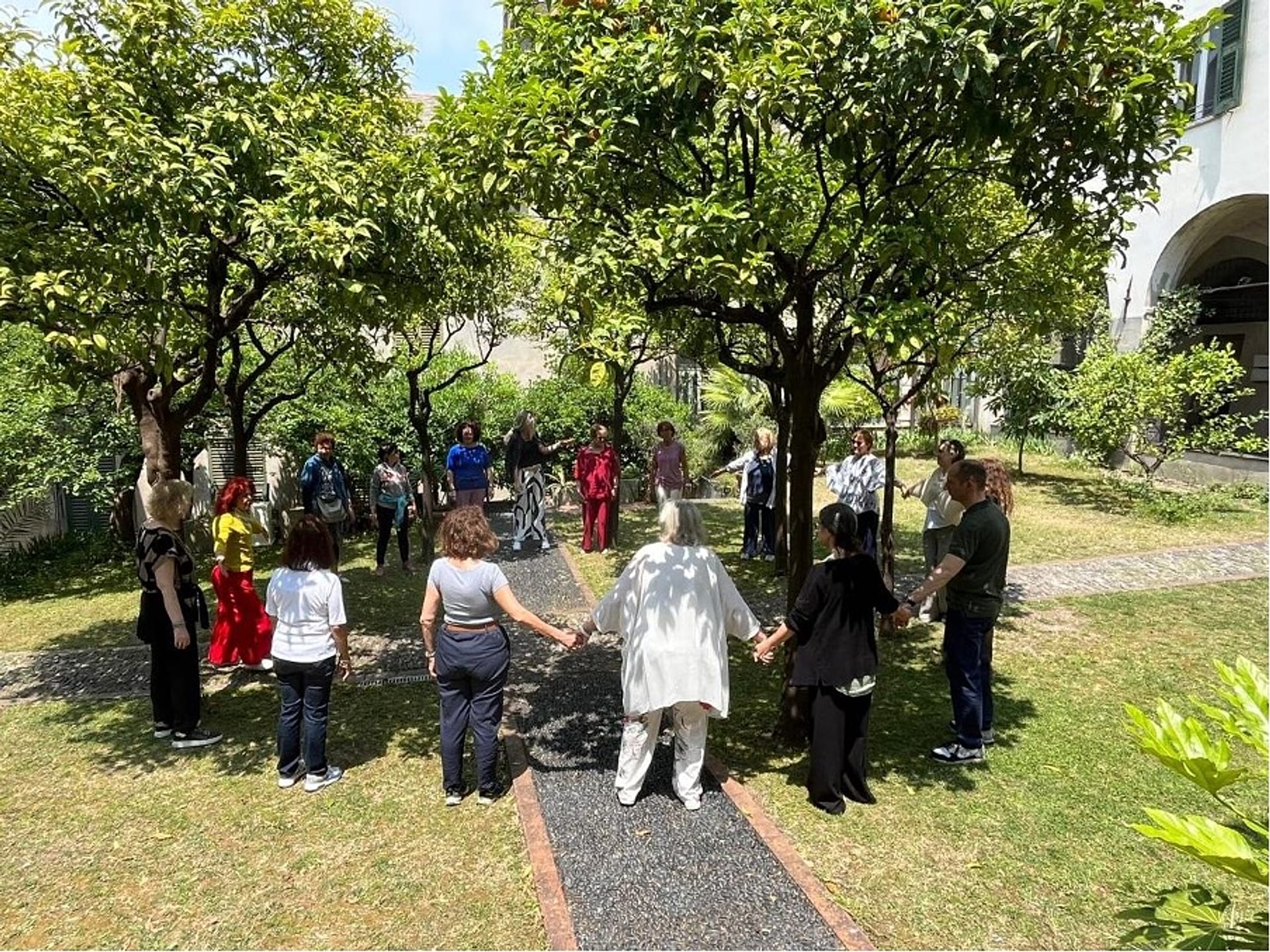
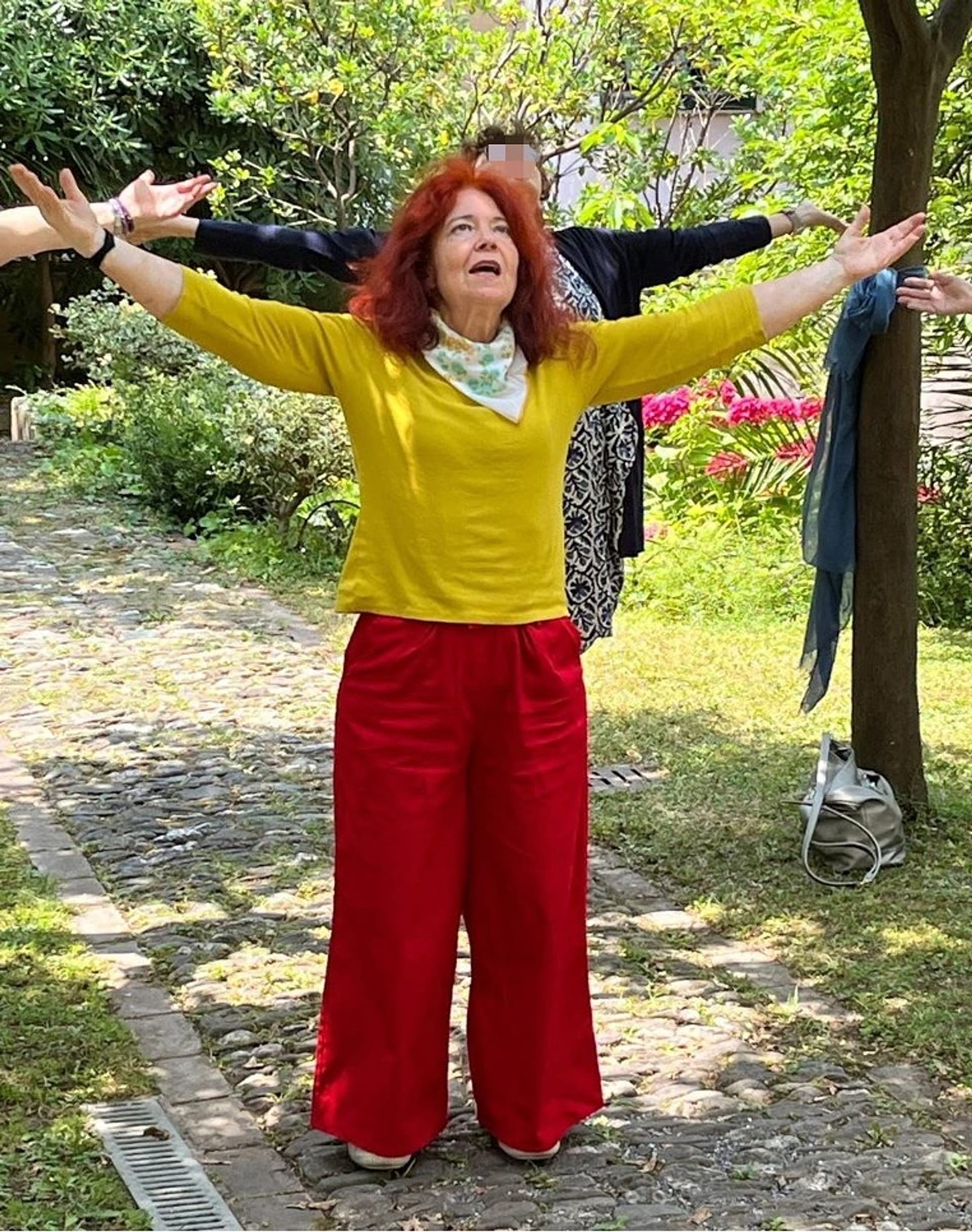
A separate part of the report is devoted to what happens after a diagnosis. According to the OECD 2026 report on cancer inequalities, only 16 of the 27 EU countries, plus Norway and Iceland, include psychological support in the cancer patient's care pathway. In France it is part of the official supportive care package; in Italy access is limited despite legislation: a 2024 study involving about 3,000 patients showed that only 20% received psychological support, and according to the FAVO federation, only about 20% of Italian hospitals provide specialised psycho-oncological care. The gaps are filled by associations such as Braccialetti Bianchi in Genoa, which offer free complementary practices — qigong, yoga and circle dancing.
The outcome of the story
The biopsy result turned out to be favourable: the doctor said there were no signs of cancer. The author stresses that she was lucky and concludes the piece by saying that awareness campaigns are not enough — women need access to screening, a timely diagnosis, appropriate care and psychological support available to everyone, not just a limited number of patients in the EU.