The key facts
- Maria Malozemova is searching for four relatives: the Kalinin couple in Krasnodar and the Bogdashev couple in Slavyansk-na-Kubani
- The pensioner lost all her contacts in a fire in September
- The woman's son lives in Poland and invited her to join him, but she refused, wanting to stay in Russia
A pensioner from Alyoshky is searching for relatives in Kuban
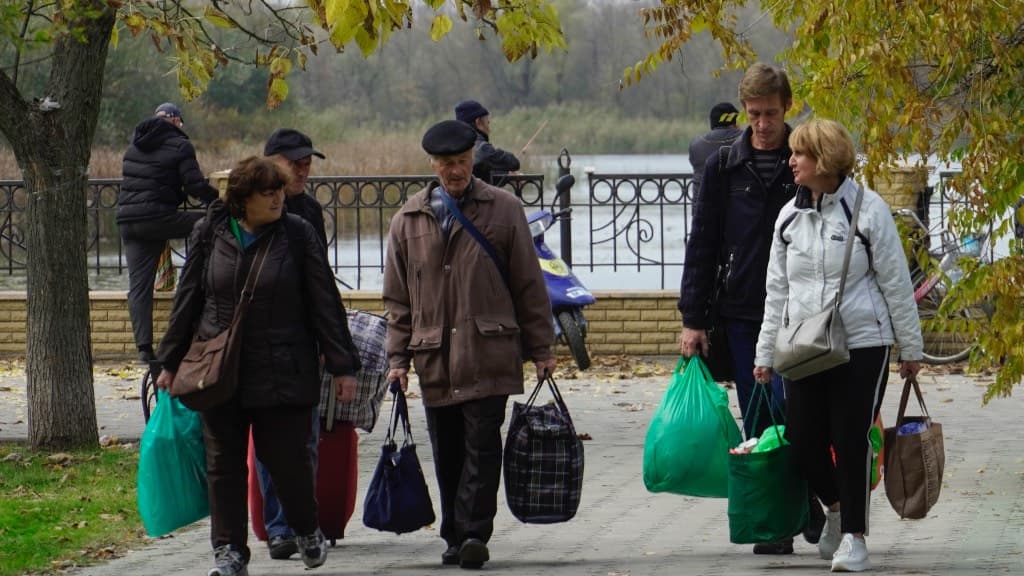
Maria Malozemova, evacuated from Alyoshky in the Kherson region, is trying to restore contact with relatives in Krasnodar Krai. As the woman herself told RIA Novosti, during a fire in September she lost all contact details of her loved ones and is now searching for them by name alone, without phone numbers or addresses.
Who exactly is she looking for
In Krasnodar, Malozemova is looking for Mikhail Ivanovich Kalinin and his wife Bella. Mikhail is the son of a woman whom the pensioner calls her sister in faith; the couple, she says, bought their own house, but Maria does not remember its address. «I know neither the phone number nor the address,» she admitted. She hopes to find two more relatives in Slavyansk-na-Kubani: her cousin Sergei Mikhailovich Bogdashev and his wife Natalya Alekseyevna. The woman remembers only everyday details — Natalya has a smartphone with internet access, while Sergei uses a push-button phone.
Where she is now
Malozemova is currently staying at a temporary accommodation center in Simferopol. According to Life.ru, those who arrived from Alyoshky have been provided with housing and hot meals, and medical examinations have been arranged for them. Maria's son lives in Poland and offered to have his mother move in with him, but she refused, explaining that she wants to stay in Russia.
Context of the evacuation
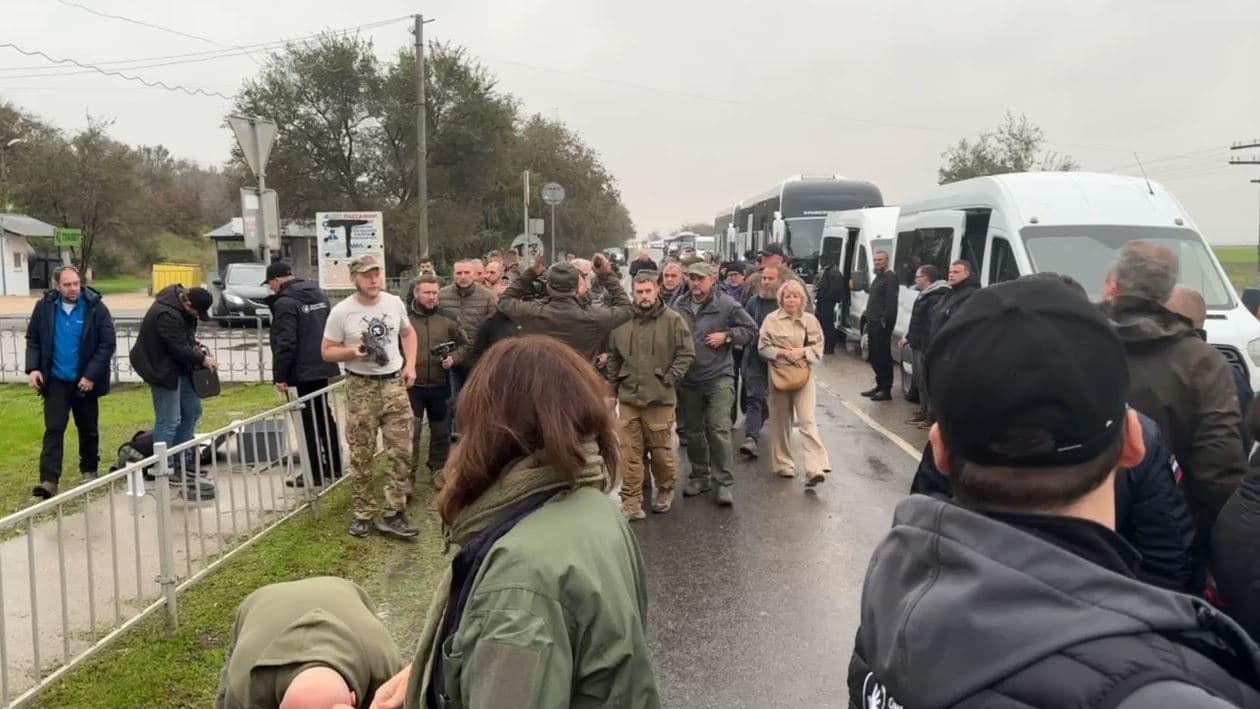
The evacuation from Alyoshky itself took place on October 30 under a temporary ceasefire agreed between Russia and Ukraine. Life.ru published footage of the humanitarian convoy's departure; according to Yana Lantratova, the Human Rights Commissioner in Russia, even those who had not registered in advance for the evacuation were allowed to leave the city, and after the operation was completed she reported that everything had gone without incidents. Malozemova's story shows the other side of such evacuations: people leave the city without documents or means of communication, and the search for relatives after relocation has to start essentially from scratch — by names and the cities where relatives lived before contact was lost.