The key facts
- The ceasefire in the Kherson region runs from Tuesday until the end of Sunday, 1 November
- Evacuation: 25 buses, up to 750 people, route via Anapa, Gomel and the Chernihiv region
- Several hundred residents have decided to stay; Russia prepared dozens of tonnes of aid for them
Evacuation has begun
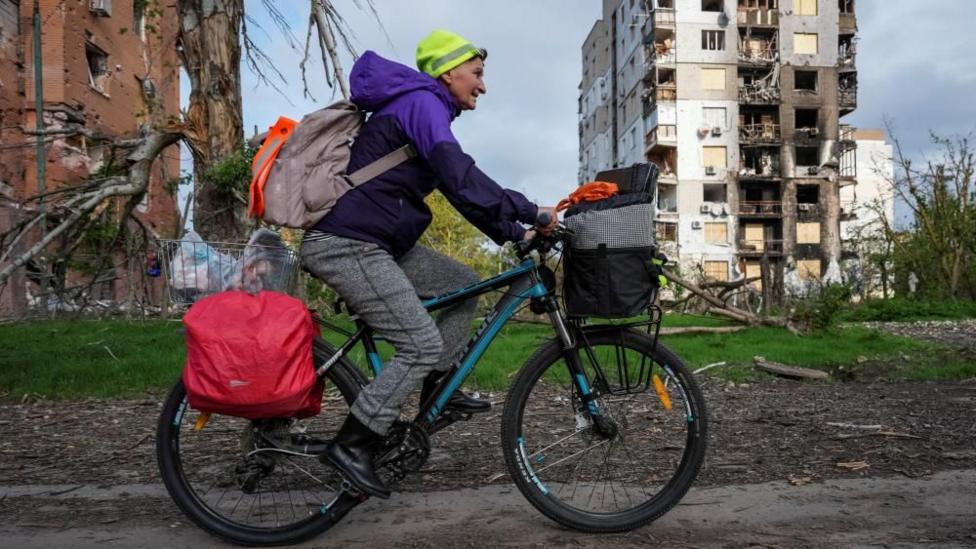
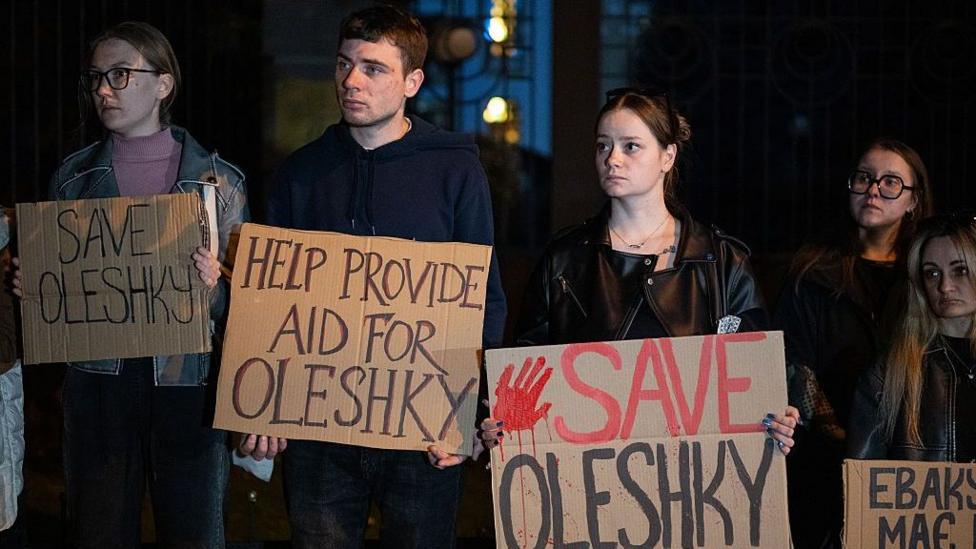
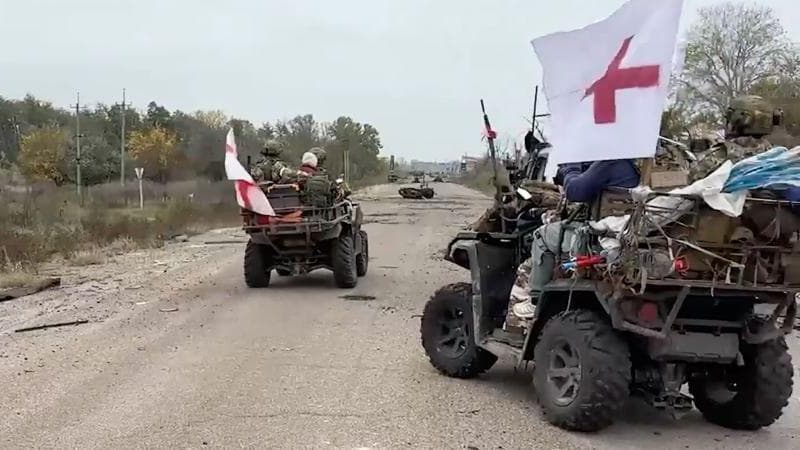
The evacuation of residents has begun from Oleshky, a Ukrainian city occupied by Russia — this has been confirmed by both Russian and Ukrainian authorities, BBC News reports. The ceasefire, whose agreement was announced with the mediation of US First Lady Melania Trump, has been in effect across the frontline Kherson region since Tuesday; thanks to it, Russian sappers were able to clear the road out of the city of mines.
How the corridor works
Those wishing to leave have a four-hour window: a convoy of 25 buses can take out up to 750 people until 14:00 (12:00 GMT), with ambulances provided for people with limited mobility. Ukraine's Parliamentary Commissioner for Human Rights Dmytro Lubinets said that everyone wishing to leave Oleshky will be able to do so safely, while those who decide to stay will receive the necessary humanitarian aid.
A long route and those who stay
Although the Ukrainian-controlled territory is only 5 km from the city, evacuees first travel across occupied territory to the Russian city of Anapa, then by a Russian government plane to Gomel in Belarus, and from there across the border into the Chernihiv region. According to the BBC, some people will choose to remain in the occupied territory.
Ombudsmen's cooperation and the fate of those who stay
Lubinets and his Russian counterpart Yana Lantratova arrived together in Oleshky on Friday. Lantratova said residents could split into two groups — for departure to Russian-controlled territory or to Ukraine. In his videos, Lubinets acknowledged that 'the problem is that many are staying' and promised to push for the delivery of humanitarian aid. On Thursday, Russia said it had prepared 'dozens of tonnes' of aid for those staying — food, medicines, hygiene products and fuel for generators.
Why people are not leaving
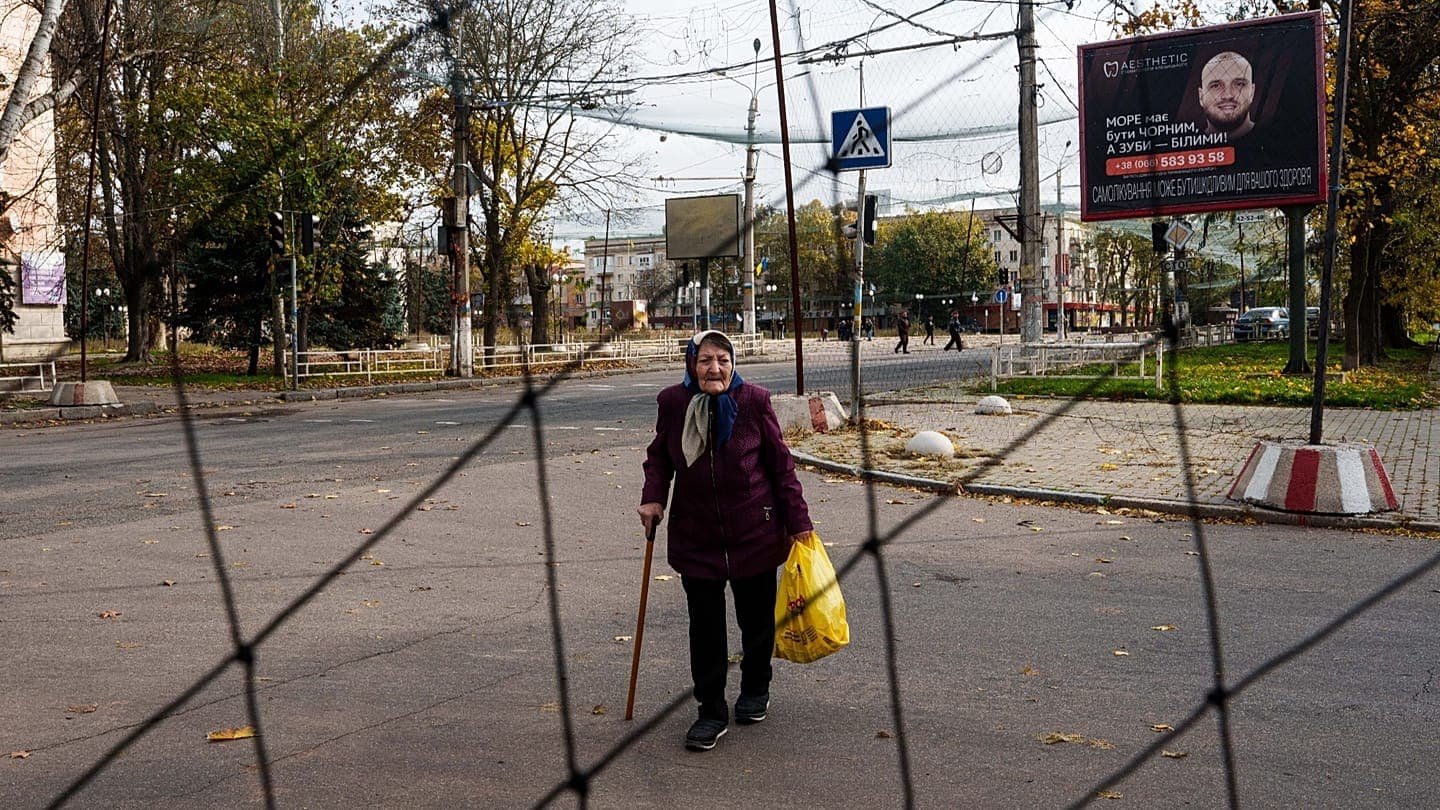
A resident of Oleshky told the BBC that she refused to leave because 'they won't take my animals.' Olena, who now lives in Kyiv, said her grandmother and relatives in the city are also staying: 'the older generation doesn't want to leave.' She described conditions in the city — no gas, electricity or running water — and said her grandmother's sister died last winter: after stepping on a mine buried under snow, her legs were amputated, and locals carry the wounded and the dead to the hospital and morgue on garden wheelbarrows.
The ceasefire's duration
The ceasefire is to last until the end of Sunday, 1 November. These are the first days of calm in the Kherson region since the start of Russia's full-scale invasion of Ukraine in February 2022. It remains unclear what will happen after the deadline expires and how many residents will ultimately use the corridor.
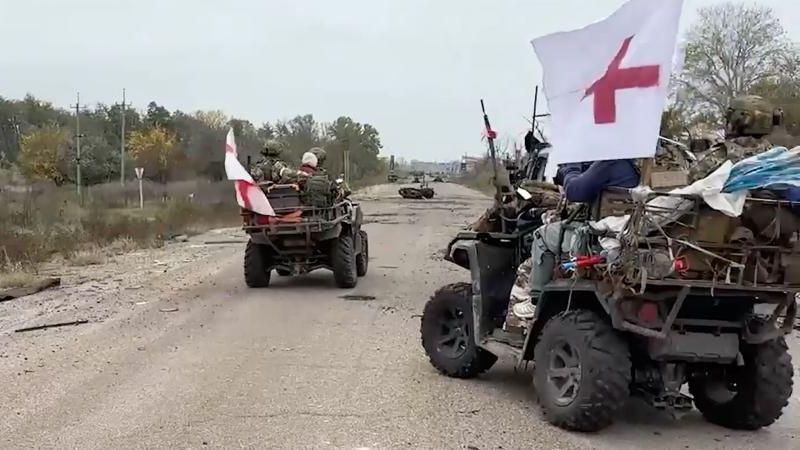 Image source, Reuters
Russian sappers have been demining the road out of Oleshky since Tuesday
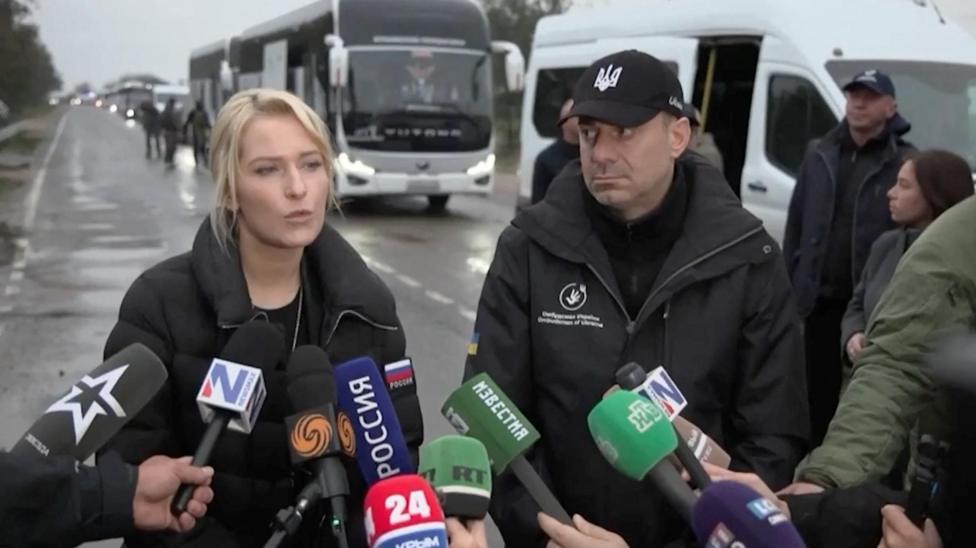 Image source, Reuters
Ukraine's human rights ombudsman Dmytro Lubinets and his Russian counterpart Yana Lantratova have worked closely together to ensure the safe evacuation of Oleshky residents