The key facts
- The G20 foreign ministers' meeting is taking place in Atlanta days before the US midterm elections; the outcome will be a chairman's summary rather than a final declaration
- Kaja Kallas accused Sergei Lavrov of 'lies' and 'false narratives'; the ministers' family photo was cancelled due to objections from the Europeans
- Lavrov criticised the Europeans' 'arrogant boycott' and praised the Trump administration's readiness for dialogue; talks between Moscow, Kyiv and Washington are ahead in November
A Split at the Negotiating Table
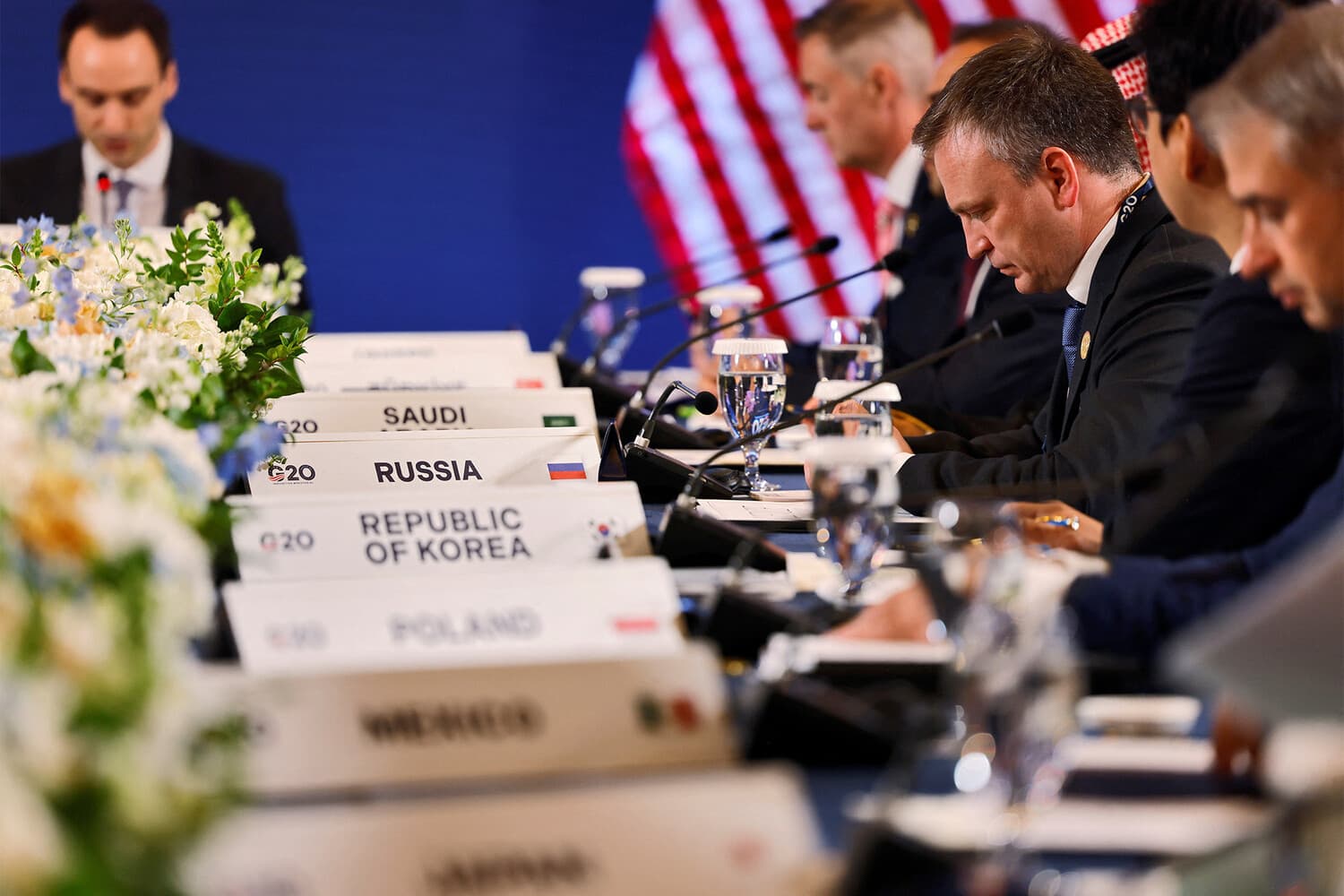
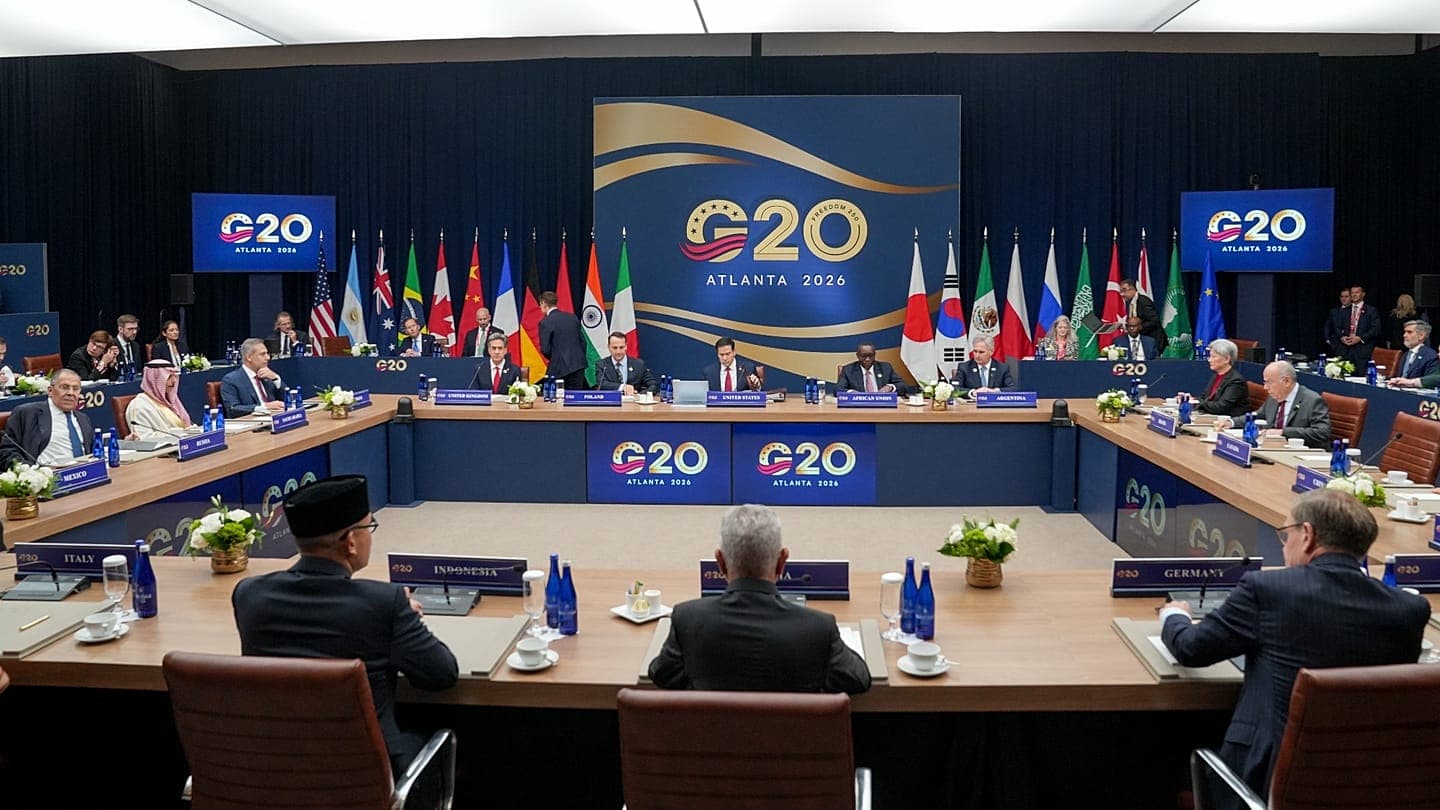
On Friday, a two-day meeting of the foreign ministers of the Group of Twenty opened in Atlanta, and from the very first minutes it was clear that the forum lacks unity: the wars in Ukraine and the Middle East have deepened disagreements among the participants. This is reported by AFP citing the diplomats' statements and its own sources at the venue.
Accusations and a Cancelled Photo
The EU High Representative for Foreign Affairs, Kaja Kallas, said that Russian Foreign Minister Sergei Lavrov presented 'a lot of lies and false narratives', which the Europeans managed to refute. According to a European diplomatic source, Lavrov in response was 'quite provocative'. The traditional family photo of the ministers was cancelled: some European officials refused to appear next to Lavrov — European leaders had already avoided photos with Russian delegations earlier this year. The US official spokesperson explained the cancellation by the desire not to turn 'a ceremonial photo into a diplomatic distraction'. At a press conference, Lavrov criticised the Europeans for an 'arrogant boycott' and at the same time praised the readiness of Donald Trump's administration for dialogue with Moscow.
What Washington Is Seeking and What Is Expected from the Meeting
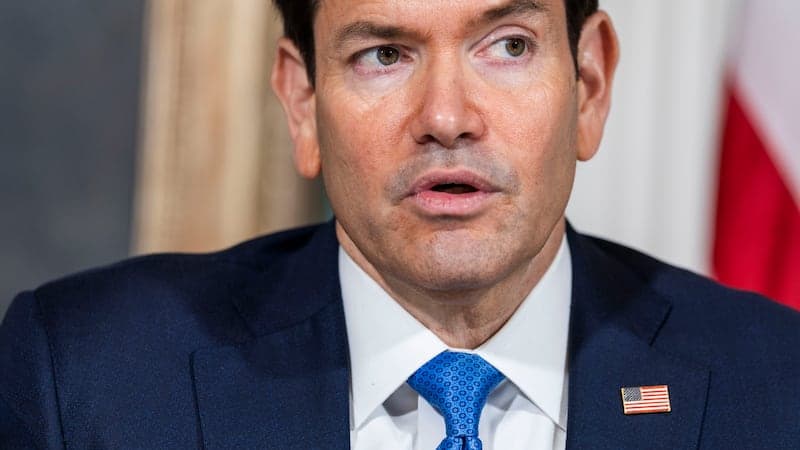
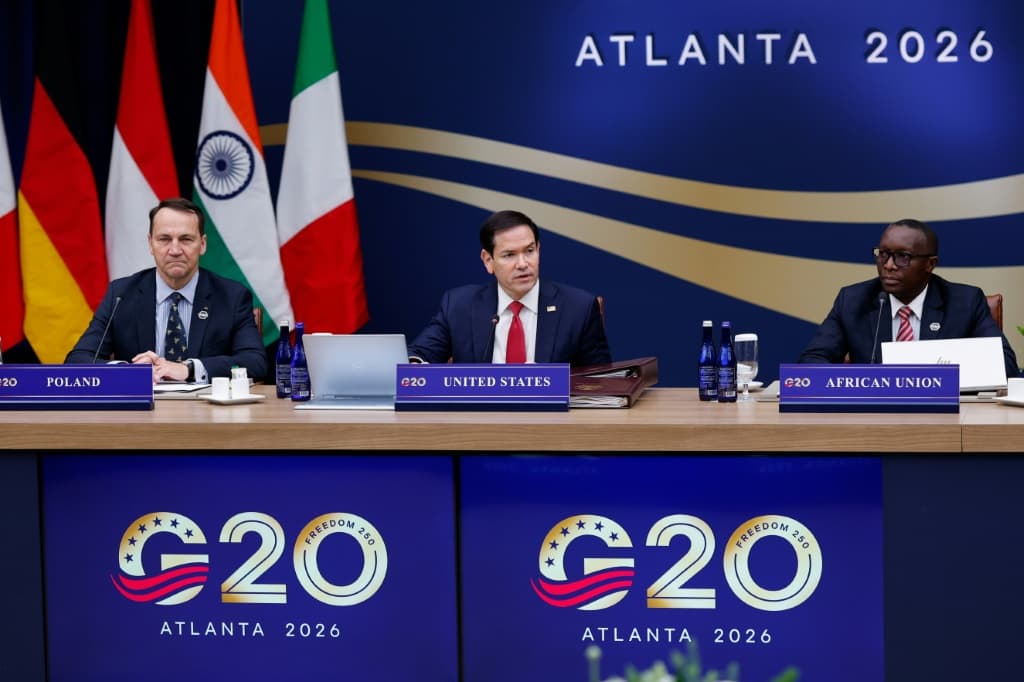
For the United States, the meeting is part of a broader diplomatic line: Washington is seeking Moscow's cooperation on restraining fuel prices, which has become a prominent theme of the campaign ahead of the midterm elections, and is also promoting freedom of navigation. Marco Rubio said at the opening that the world stands at a 'moment of choice' amid 'interconnected economic and geopolitical crises', and called on the G20 to work together on energy, food supply chains and navigation. On the sidelines of the forum, he briefly spoke with Lavrov, who called the conversation 'decent'. Instead of a final declaration, the outcome of the talks will be a chairman's summary prepared by the United States — analysts do not expect breakthroughs on key issues.
Context: Sanctions, Iran and November Talks
Lavrov's appearance at the G20 summit comes against the backdrop of a noticeable shift in Washington's position: according to AFP, the US this year allowed Russian officials to attend G20 events, whereas participation by a member of the grouping, South Africa, was restricted; Trump invited Vladimir Putin to Florida in December and eased some sanctions while pushing a deal to supply Russian diesel fuel amid soaring prices. Energy prices rose after the US and Israel struck Iran in February, and Tehran responded by closing the Strait of Hormuz. German Foreign Minister Johann Wadephul said that 'there is no normality with Russia' and promised to once again call on Moscow to accept Kyiv's proposal for a ceasefire, starting with the Black Sea. The meeting in Atlanta sets the framework for the G20 leaders' summit at Trump's Doral resort in Miami in December; new talks between Moscow, Kyiv and Washington are expected in November.