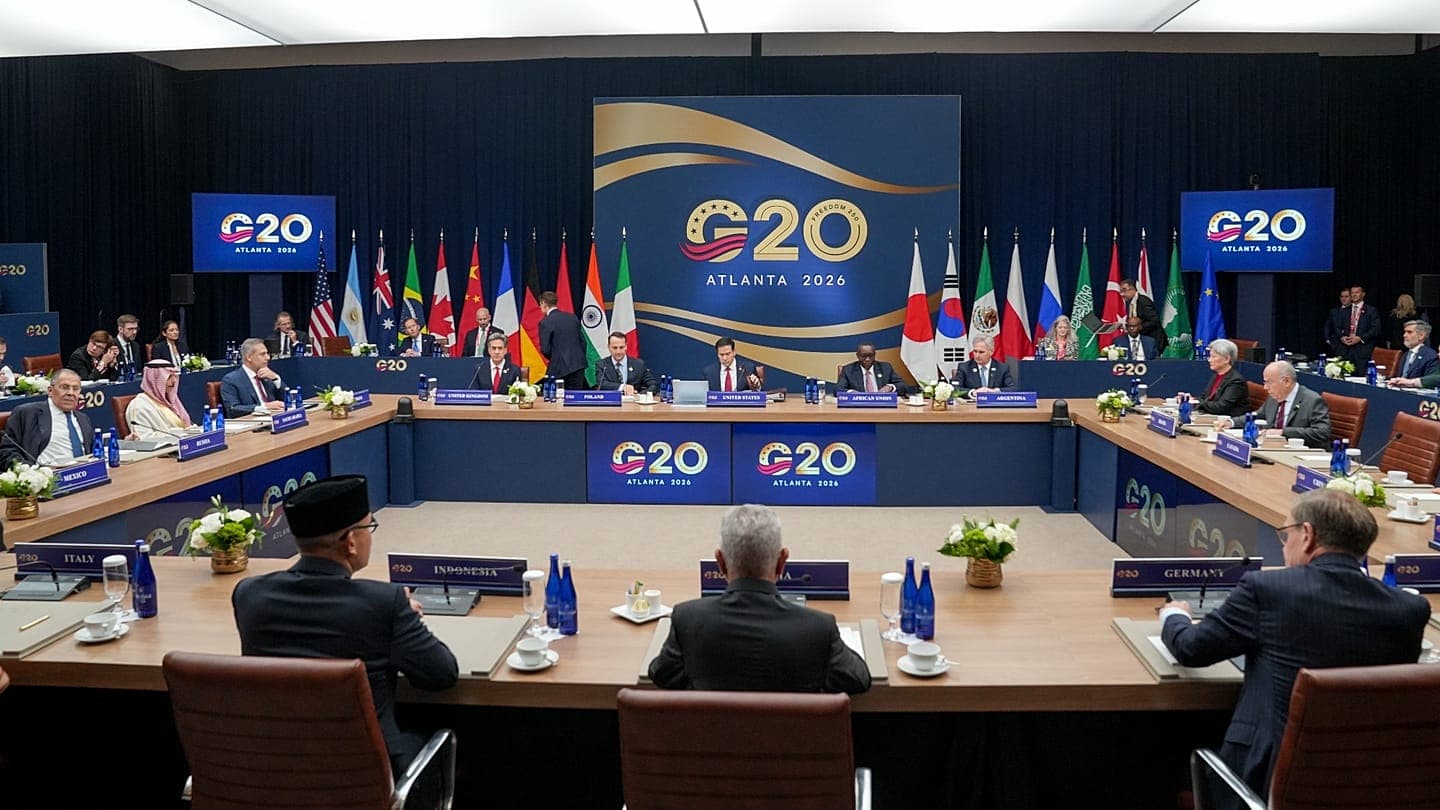
The key facts
- The US cancelled the G20 foreign ministers' group photo in Atlanta after European delegations refused to be photographed with Sergey Lavrov
- The UK confirmed its refusal, citing its policy of not holding bilateral contacts with Russian ministers
- Ukraine was not invited to the meeting; the backdrop is Trump's suspension of part of the sanctions against Russia and a deal to import Russian diesel
Photo cancelled at the last moment
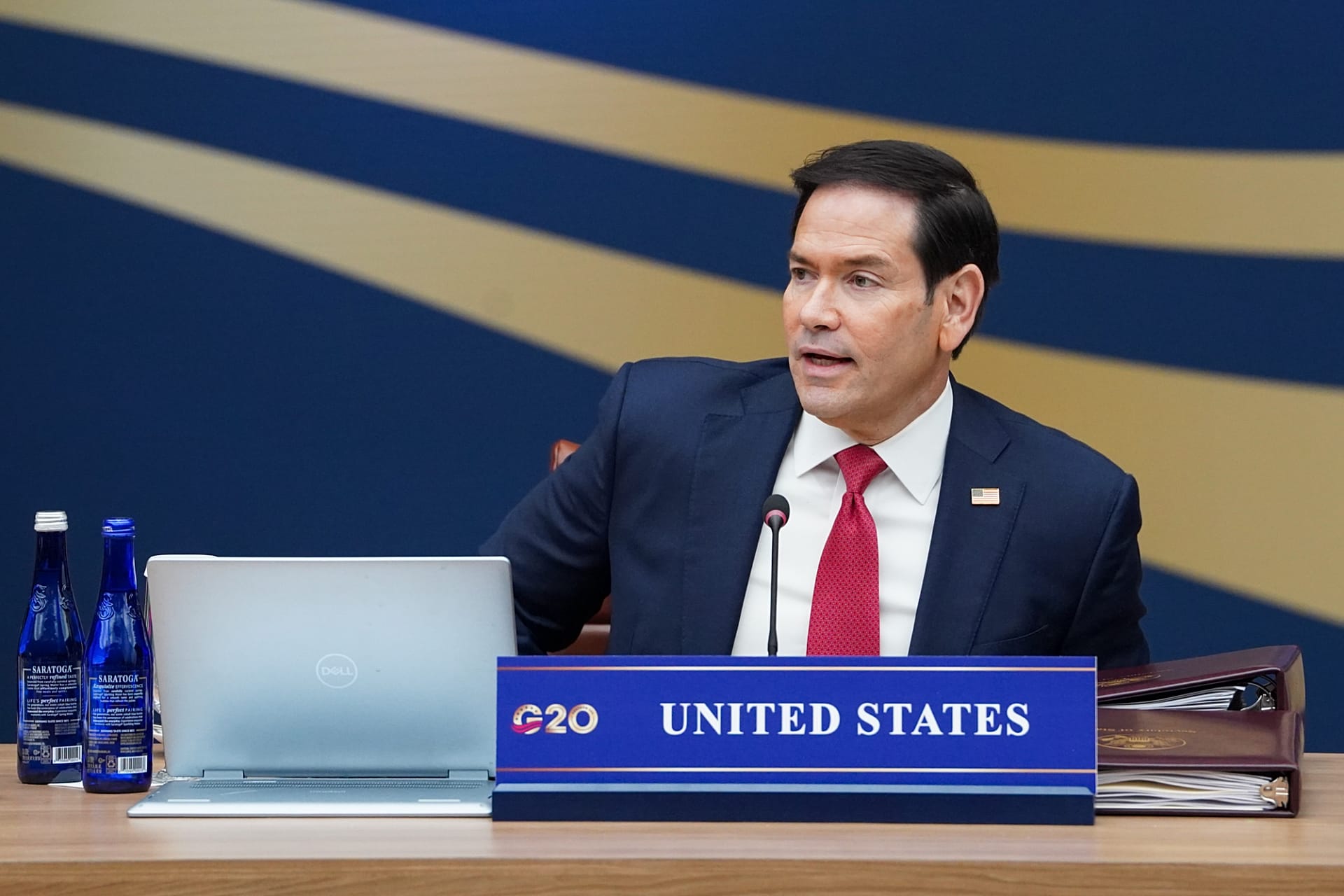
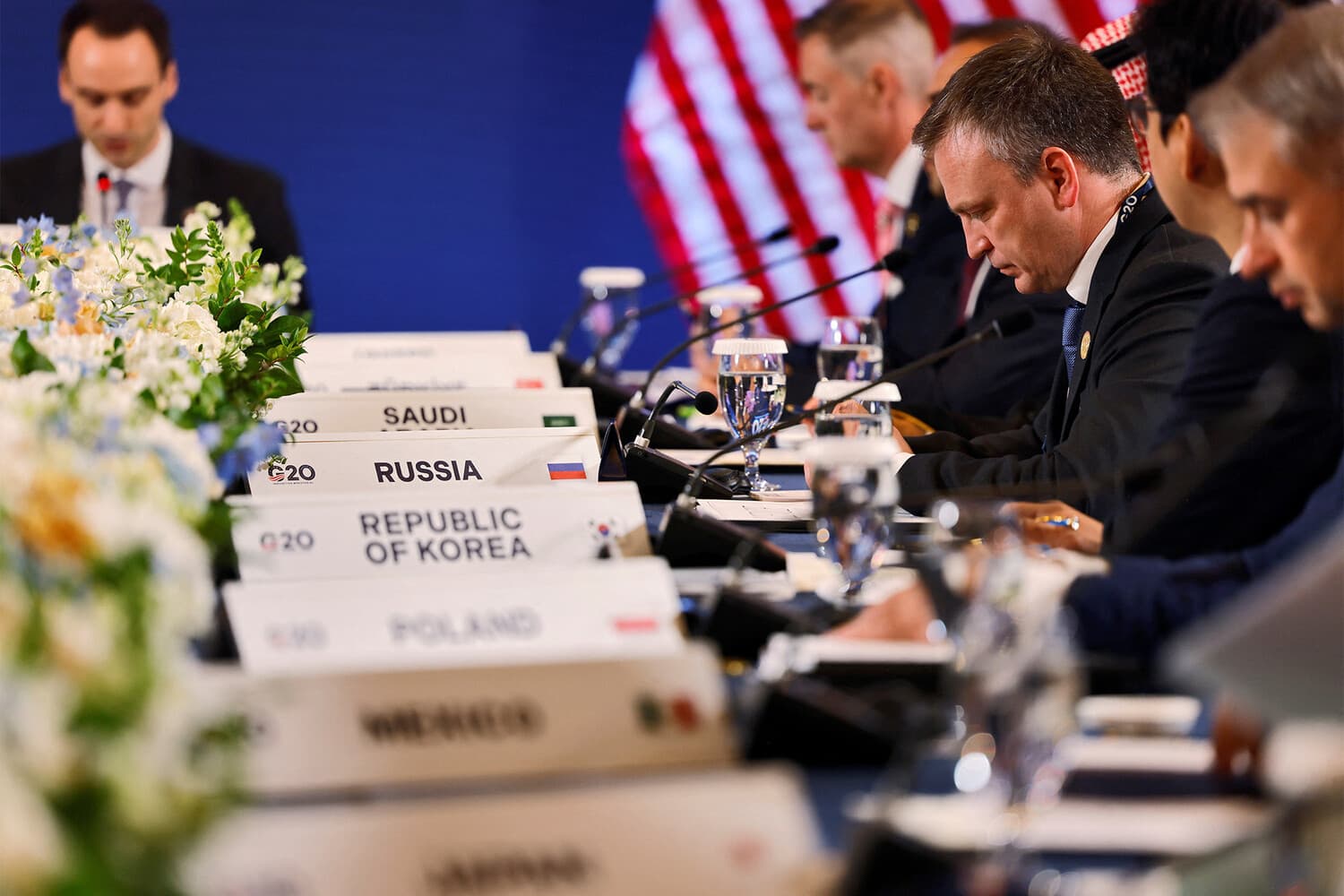
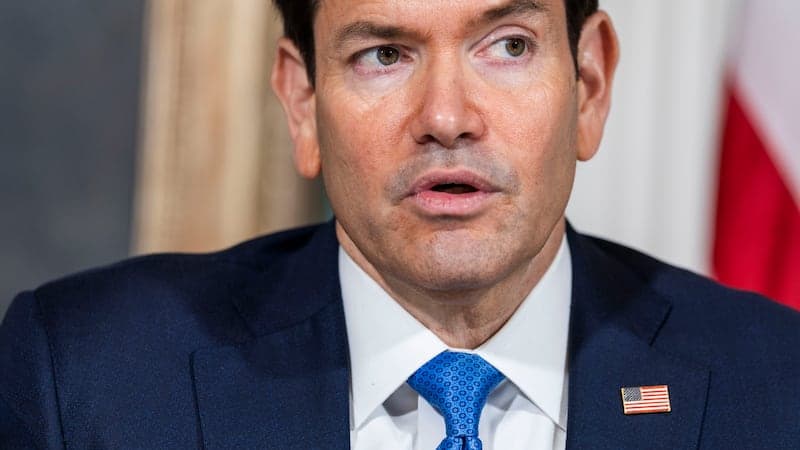
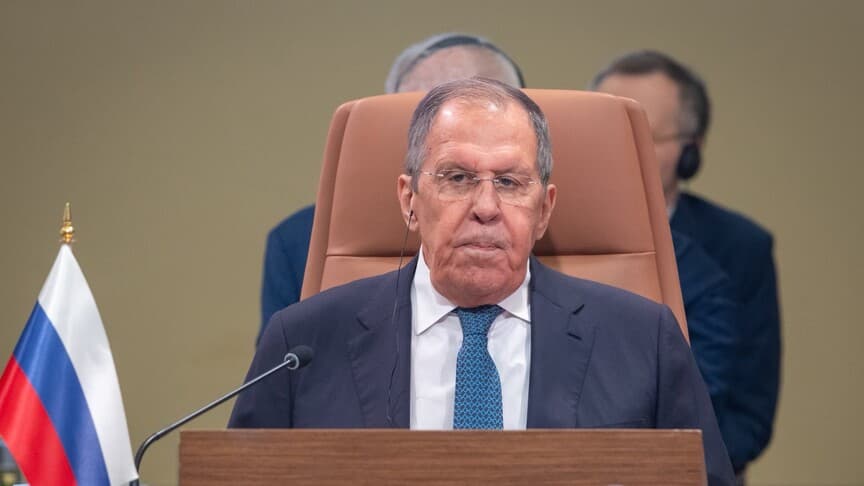
The United States cancelled the planned group photo of G20 foreign ministers at the meeting in Atlanta on 30 October 2026 after several European diplomats refused to be photographed next to Russian Foreign Minister Sergey Lavrov and threatened to leave the ceremony. According to euronews, the decision was made by Secretary of State Marco Rubio to avoid a further scandal; two US officials told the outlet on condition of anonymity. The BBC , citing two officials, confirmed the cancellation of the so-called 'family photo', which usually includes all participants of the meeting.
Who refused and why
A diplomatic source confirmed to the BBC that the United Kingdom was among the countries that refused to take part in the photo. One British official explained: 'The UK has a long-standing policy of not holding direct bilateral contacts with Russian ministers after the invasion of Ukraine, and we do not intend to change it.' Foreign Secretary Ed Miliband is attending the meeting. Polish Deputy Prime Minister and Foreign Minister Radosław Sikorski called the cancellation of the photo 'the right decision' by the US and told journalists in Atlanta: 'I am not the only one who does not want to be photographed with Lavrov.' German Foreign Minister Johann Wadephul said that 'there is no normality with Russia', but 'disputes need to be exchanged at the table', adding that it is impossible to send 'falsely optimistic signals' — his words are quoted by the dpa agency.
A rift against the backdrop of a US–Russian rapprochement
The cancellation of the traditional photo highlighted tensions within the G20, where diplomats are conducting difficult talks on the war in Ukraine, the American-Israeli war against Iran, US tariffs and disputes in the South China Sea. Even before the dispute over the photo, several G20 countries had expressed displeasure at Russia's invitation against the backdrop of intensified strikes on Ukraine. Ukraine, which is not a G20 member but has been invited to meetings in recent years, was not invited this time. Relations between Kyiv and Washington became particularly strained this month over a diplomatic conflict between Volodymyr Zelensky and Donald Trump regarding Ukrainian strikes on oil infrastructure in Russia.
Context: sanctions and diesel
Against this backdrop, US–Russian relations have partially warmed in recent weeks: Trump rescinded a number of new sanctions and agreed a deal to import Russian diesel fuel to the American market — as the BBC notes, the move is linked to an effort to lower fuel prices ahead of the midterm elections in early November. Zelensky called the deal a 'gift' to Putin, which means 'investment in a war that needs to be ended, not prolonged.' Trump himself explained the suspension of sanctions as a desire to keep Moscow at the negotiating table. Putin said that Russia, which earlier this year banned diesel exports, is ready to supply oil and petroleum products both to the United States and to the world market. Opening the session, Rubio said the world is at a 'moment of choice' and faces 'a series of interconnected economic and geopolitical crises', many of which create 'serious threats to the foundations of the world economic order'.