The key facts
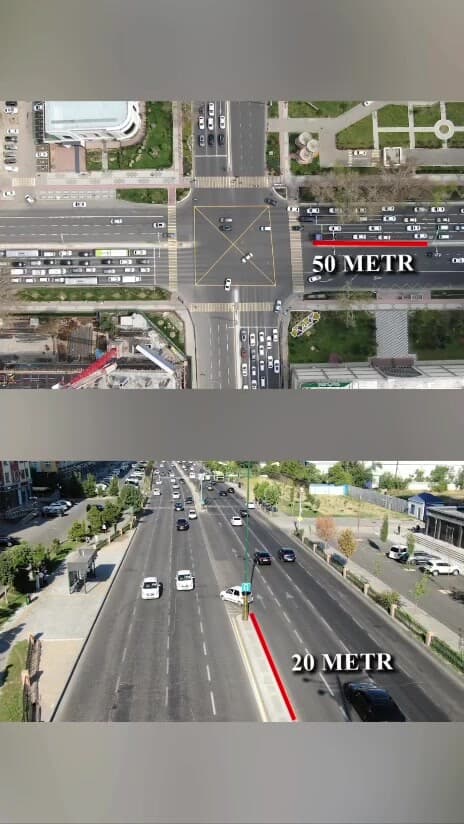
- From November 1, road patrol inspectors will not draw up protocols for crossing lines 1.1 and 1.3 within 50 meters before an intersection and 20 meters before a U-turn.
- Private cameras have been authorized to detect seat belt violations, provided technical requirements are met.
- It has become mandatory to place a
New procedure for handling violations at intersections
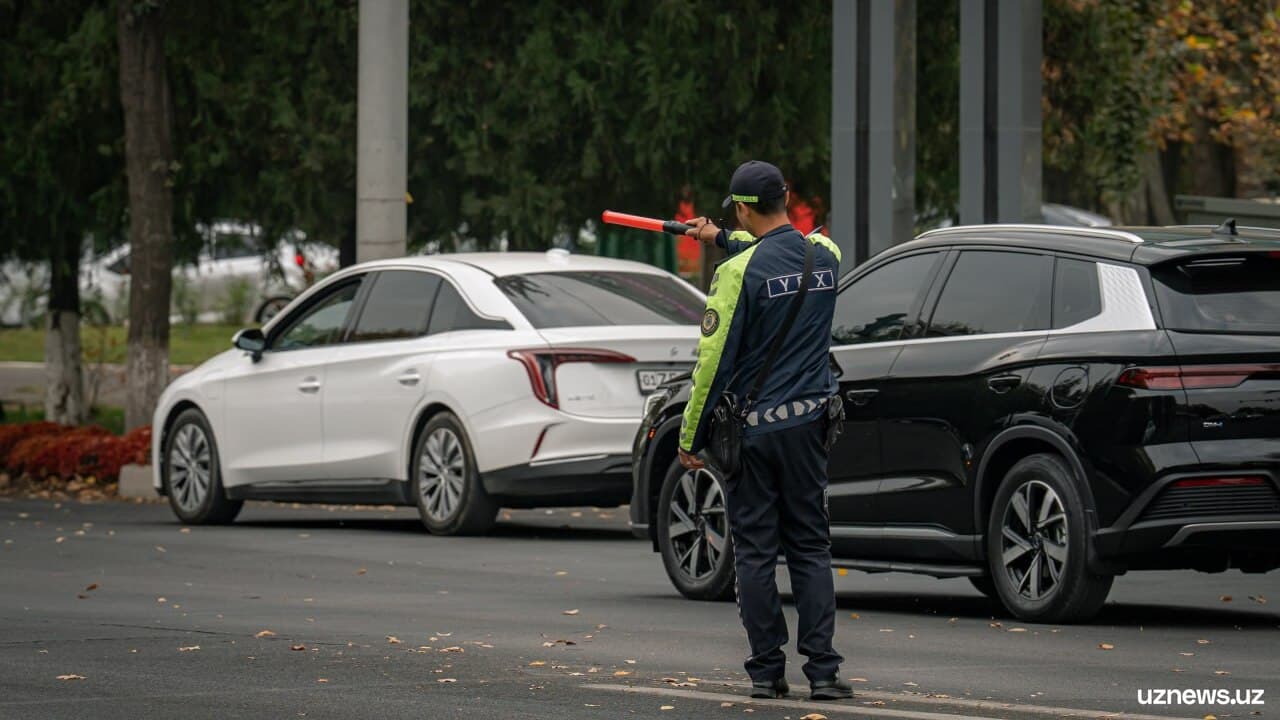
Starting November 1, 2026, a change to the procedure for holding drivers accountable for crossing road markings near intersections and U-turn areas takes effect in Uzbekistan. According to Cabinet of Ministers Resolution No. 596 of October 29, road patrol inspectors will no longer draw up administrative protocols for driving over solid marking lines 1.1 and 1.3 if this occurred within 50 meters before an intersection or within 20 meters before a U-turn area. This exception applies exclusively to the specified zones and to the types of markings that separate traffic flows; crossing lines outside these distances will still be classified as a violation and result in a protocol being drawn up.
Automating seat belt enforcement
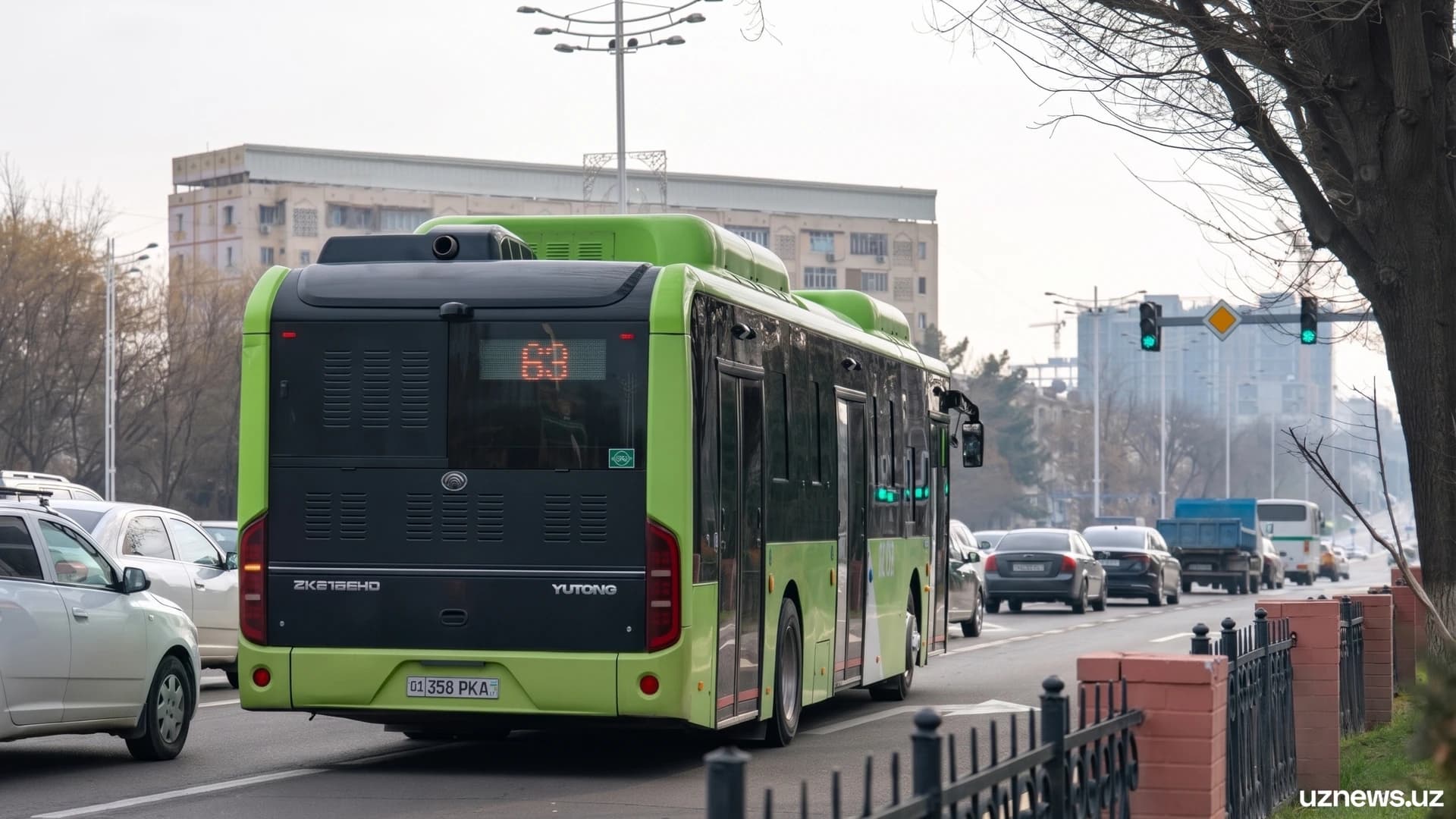
In addition to the changes in marking rules, the new resolution expands the possibilities of automated violation detection. Starting November 1, private entrepreneurswho have installed photo and video recording systems will be authorized to identify cases where drivers and passengers fail to use seat belts. For this, the equipment must meet strict technical requirements: take high-quality images in which the driver's face and the absence of a seat belt are clearly visible, automatically transmit the time, date and coordinates to the
Mandatory warning about stationary radars
Another important change enshrined in the same document is the introduction of a mandatory requirement to inform drivers about the presence of stationary speed control cameras. Now, before road sections where fixed radars are installed, it is necessary to place warning road sign 5.43. The sign must be installed at a distance of 250 to 500 meters from the recording device itself. This rule is aimed at increasing the transparency of enforcement and warning drivers about the monitoring zone in advance.