The key facts
- The Ministry of Transport's draft strategy until 2030 provides for the synchronization of bus, train and domestic flight schedules
- By July 1, 2027, taxi-hailing terminals, free Wi-Fi and 24-hour luggage storage before and after the trip are planned at airports, bus stations and railway stations
- For connecting flights in Tashkent — a single electronic ticket, through check-in and baggage delivery to the final destination
Draft strategy until 2030
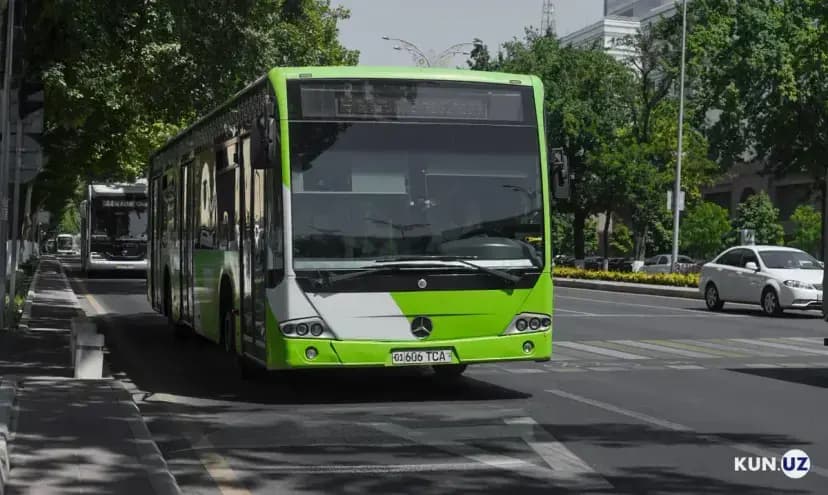
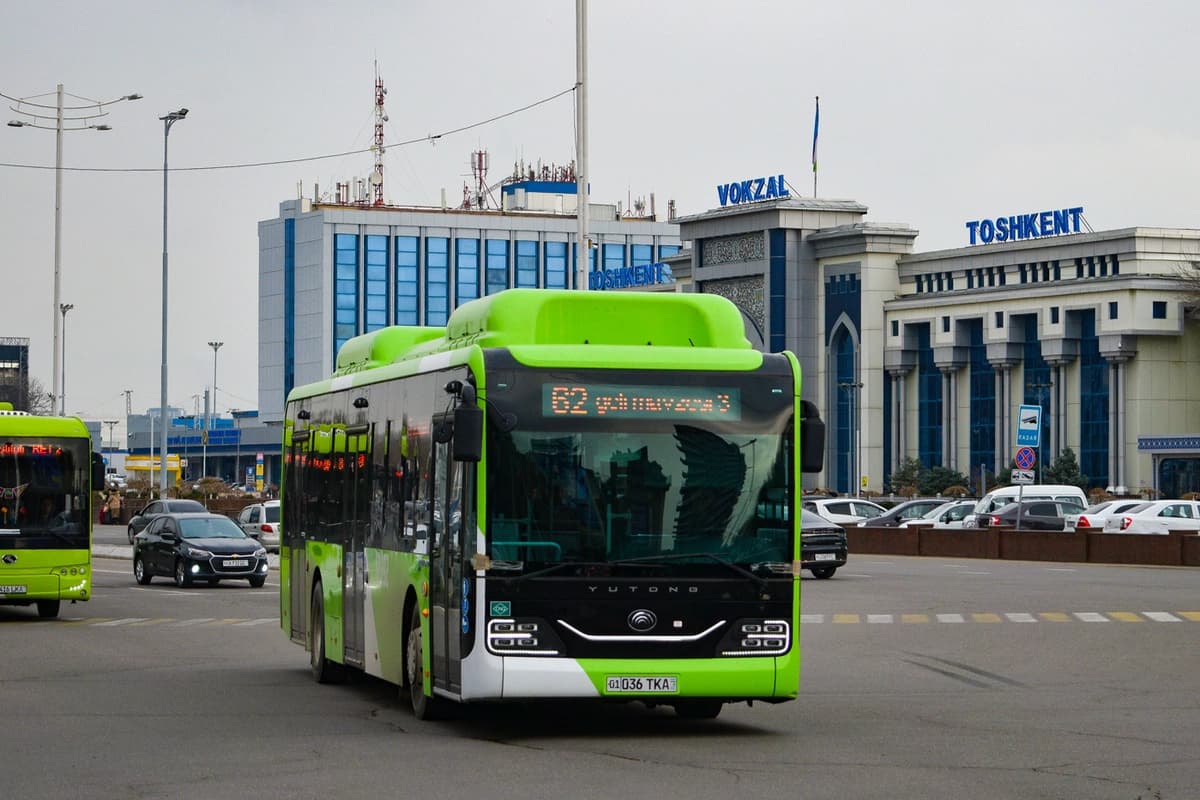
The Ministry of Transport has prepared a draft strategy for the comprehensive development of passenger transportation across Uzbekistan until 2030, as reported by Spot. The document, posted on the regulatory portal, includes a number of proposals related to new technologies in the transport sector.
Synchronization of schedules
By January 1, 2028, the Tashkent State Transport University, together with industry enterprises, must develop a system for forecasting and digital modeling of passenger flows on road, rail and air transport. Based on this forecasting, the Ministry of Transport, Uzbekistan Railways (O‘zbekiston temir yo‘llari), Uzbekistan Airports and Uzaeronavigation will rework traffic schedules in order to synchronize buses, trains and domestic flights.
Services for passengers
By July 1, 2027, taxi-hailing terminals are planned to be gradually introduced at airports, major bus stations and railway stations: with their help, passengers will be able to calculate the trip price in advance and order a car from an official service. The same facilities will offer free Wi-Fi for at least an hour, and luggage can be stored free of charge for 24 hours before departure and 24 hours after arrival.
Flight connections and a single ticket
Uzbekistan Airports, together with resident air carriers, must revise flight schedules for convenient connections between flights at Tashkent airport. For passengers, a single electronic ticket is planned for flights with transfers, along with through check-in and baggage delivery to the final destination without re-check-in at the intermediate airport.
Context
Spot previously reported, that the Andijan airport is planned to be expanded to handle 2,500 flights and 3.5 million passengers per year. The measures outlined in the strategy are, for now, proposals of a draft document, not adopted decisions: the timelines and the list of measures may change before its approval.