The key facts
- Direct harm from screen radiation is not confirmed by scientific data — says ophthalmologist Igor Aznauryan
- Systematic reading in uncomfortable conditions leads to digital eye strain syndrome
- Recommendations: a distance of 35–40 cm, the 20-20-20 rule, breaks every 40–60 minutes
Not radiation, but reading conditions
The widespread belief that a smartphone screen itself damages the eyes — due to radiation or blue light — is not supported by scientific data. That is the view of Igor Aznauryan, Doctor of Medical Sciences, professor, pediatric ophthalmologist and ophthalmic surgeon, and expert for the Doctor TV channel. In an interview with Gazeta.Ru he explained that the scientific literature contains no data on the destructive effect of screen radiation on the visual system. The problem, in his words, lies in a combination of factors: prolonged strain at close range, small font size, poor lighting, glare and low contrast.
Digital eye strain and differences between devices
With systematic exposure, these factors lead to digital eye strain syndrome. 'It is accompanied not only by a temporary decrease in visual acuity, but also by headaches, burning eyes, a sandy sensation and a feeling of a foreign body,' Aznauryan warns. From a physiological standpoint, close-range strain affects the eyes regardless of the source, but devices differ in how much fatigue they cause: the phone is the least suitable for prolonged reading because of glare and the need to hold it close, the e-reader produces less glare and is closer to printed text, while the tablet is better than the phone thanks to its size — it can be held farther away.
How to reduce eye strain
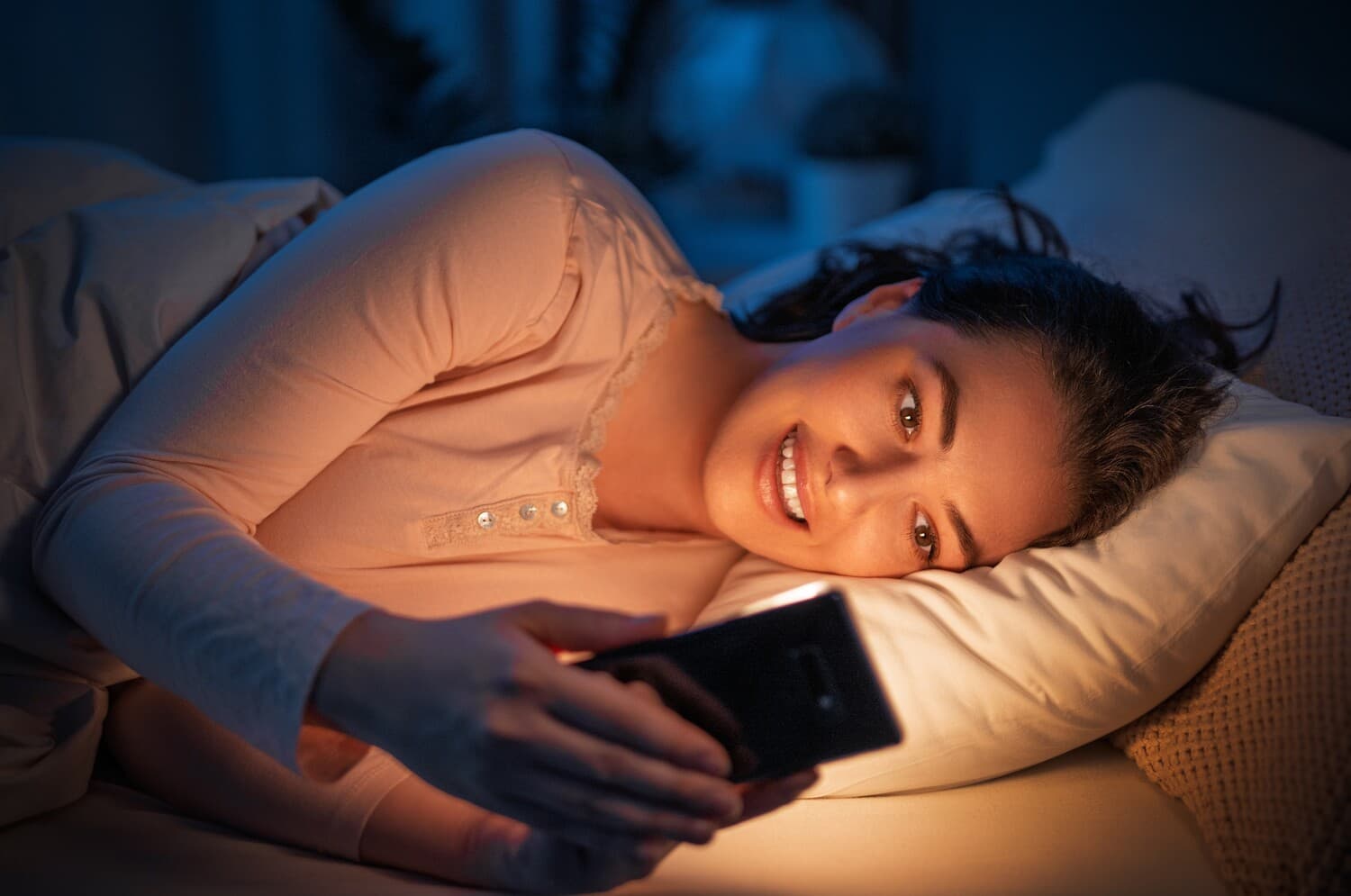
For reading on a phone, the expert advises holding it at a distance of 35–40 cm, increasing the font size and line spacing, and adjusting screen brightness to the room lighting. Every 20 minutes, it is recommended to look into the distance for 20 seconds (the 20-20-20 rule), and every 40–60 minutes to take an extended break. One should not read while lying down, in transport, or in complete darkness. With myopia, hyperopia or astigmatism, correction prescribed by a doctor is necessary. Aznauryan named double vision, difficulty focusing, burning, itching and a heavy feeling at the bridge of the nose as reasons to visit an ophthalmologist.
Myopia control
According to the specialist, the current focus of ophthalmology is myopia control, especially in children. Patients without complaints are advised to have a full examination annually. For myopia control, glasses with specially designed lenses, contact lenses or orthokeratology lenses are used; proper workspace organization, a manageable workload and sufficient time outdoors are also important. The publication's material adds a mention of previously named dangerous symptomsindicating eye problems — which specific symptoms are meant is not clear from the publication.