The key facts
- The new cave slug species Erhaia dijiang is described in the journal Subterranean Biology
- The find was made at an altitude of 2,062 m — a record for the family Erhaiidae
- Only three live adult individuals and one empty shell were found in the field research
An accidental discovery in the caves of Yunnan
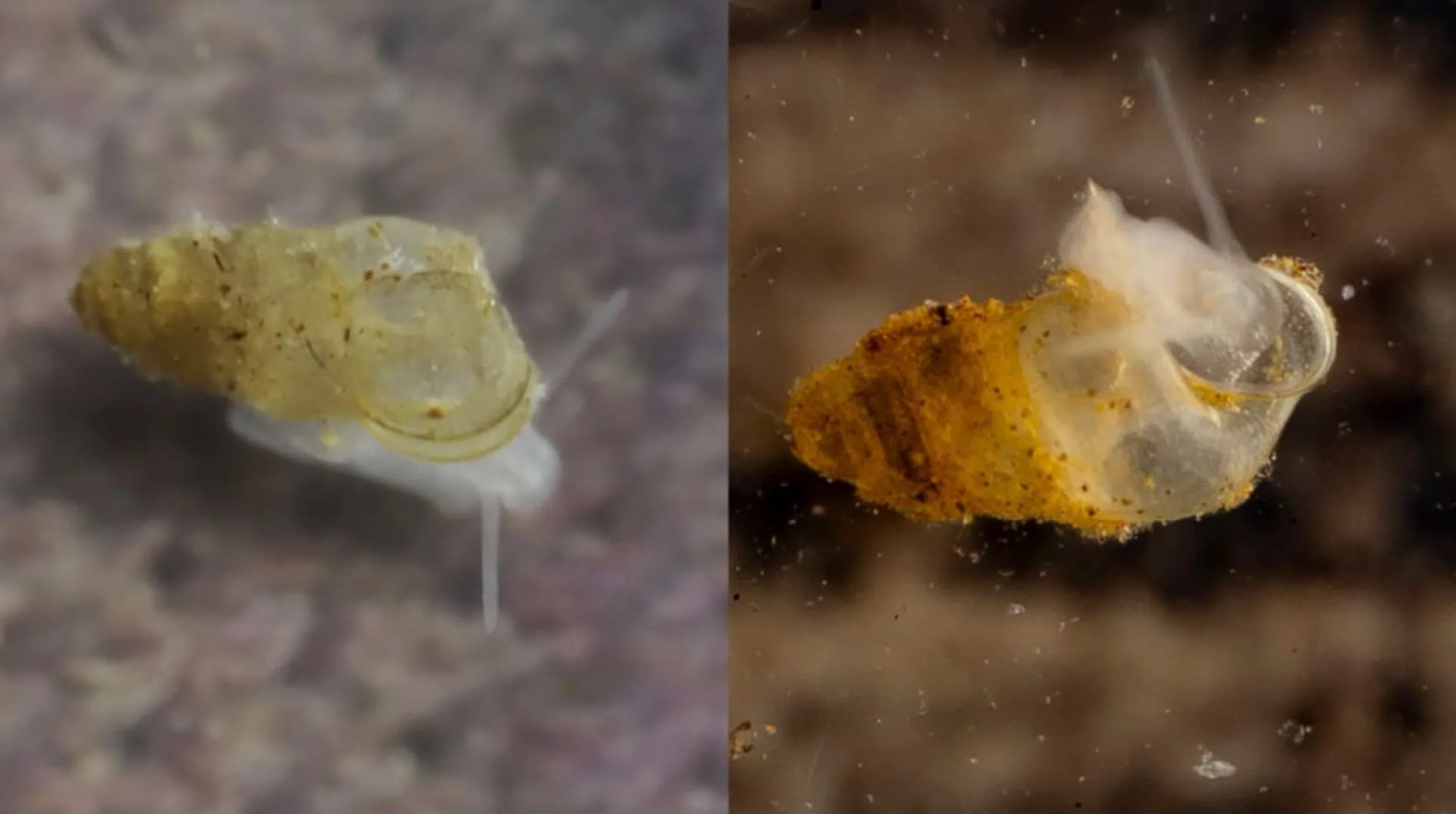
Specialists from Yuxi Vocational and Technical College of Agriculture and Nanchang University described a new species of subterranean mollusc while studying a cave in Yunnan province in southern China. The results of the study were published in the scientific journal Subterranean Biology, as reported by Kun.uz. The species was named Erhaia dijiang — after Di Jiang, a mountain deity from ancient Chinese mythology who was depicted in legends as a faceless being. The name turned out to be an accurate description of the mollusc's appearance: it completely lacks organs of vision, and its body has no pigmentation.
A record altitude and full adaptation to underground life
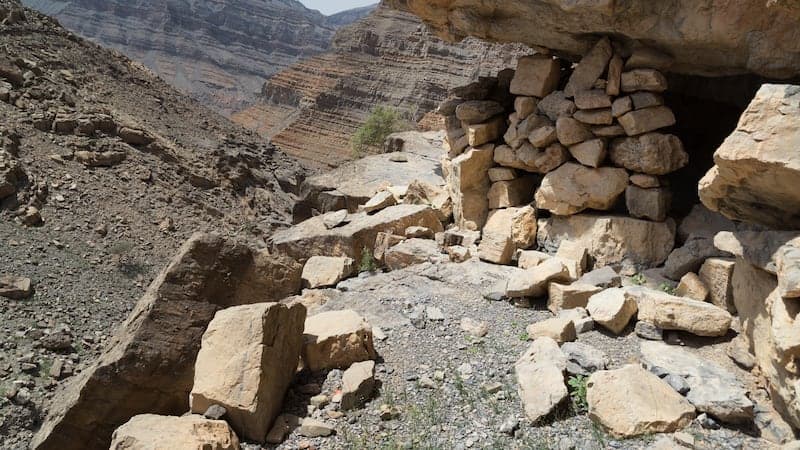
The slugs were found at an altitude of 2,062 metres above sea level. According to the researchers, this is the highest recorded habitat for cave slugs of the family Erhaiidae. The discovery showed that freshwater molluscs are capable of living in cave systems above two kilometres. The animals are fully adapted to the underground environment: their shell is small, cone-shaped, thin and translucent, and orientation in space is provided by thin, sensitive tentacles on the head. In laboratory observations, the slugs actively avoided light — when illuminated, they tried to hide in dark crevices under stones. In their natural environment they live in the shallow waters of the cave, among pebbles and small stones on the bottom, where the depth does not exceed a metre and the temperature stays around 20 degrees.
Diet, behaviour and the alarming state of the population
In the laboratory, the molluscs fed on microscopic algae from the surface of stones, and also ate ordinary fish food offered by the researchers. During the rainy season, an increased flow of water may carry some slugs out of the cave: specimens were found up to two metres from the entrance, however no representatives of the species could be found in the open watercourses near the cave. The discovery is important for studying the poorly explored underground fauna of East Asia, but the state of the new species causes serious concern among scientists. During field research, only three live adult individuals and one empty shell were found; no juvenile slugs were encountered at all. Additional research will be needed to determine the total population and range of the species. The researchers called for studying other cave systems in the region and stressed the need to develop special protection measures for these fragile molluscs adapted to a unique environment.