The key facts
- The northern Hajar Mountains in the UAE contain rocks suitable for creating lunar and Martian simulants — findings published in Planetary and Space Science
- Promising extraction zones have been identified in Ras Al Khaimah, Fujairah, Ajman and Dubai using remote sensing data
- Promising extraction zones identified in Ras Al Khaimah, Fujairah, Ajman and Dubai based on remote sensing data
- Simulants are needed for testing missions, including the Emirates Lunar Mission and Emirates Mars Mission; less than 400 kg of soil has been brought from the Moon, and nothing from Mars
- Simulants are needed for testing missions, including the Emirates Lunar Mission and Emirates Mars Mission; less than 400 kg of soil has been brought from the Moon, and none from Mars
The geology of the UAE as a resource for space testing
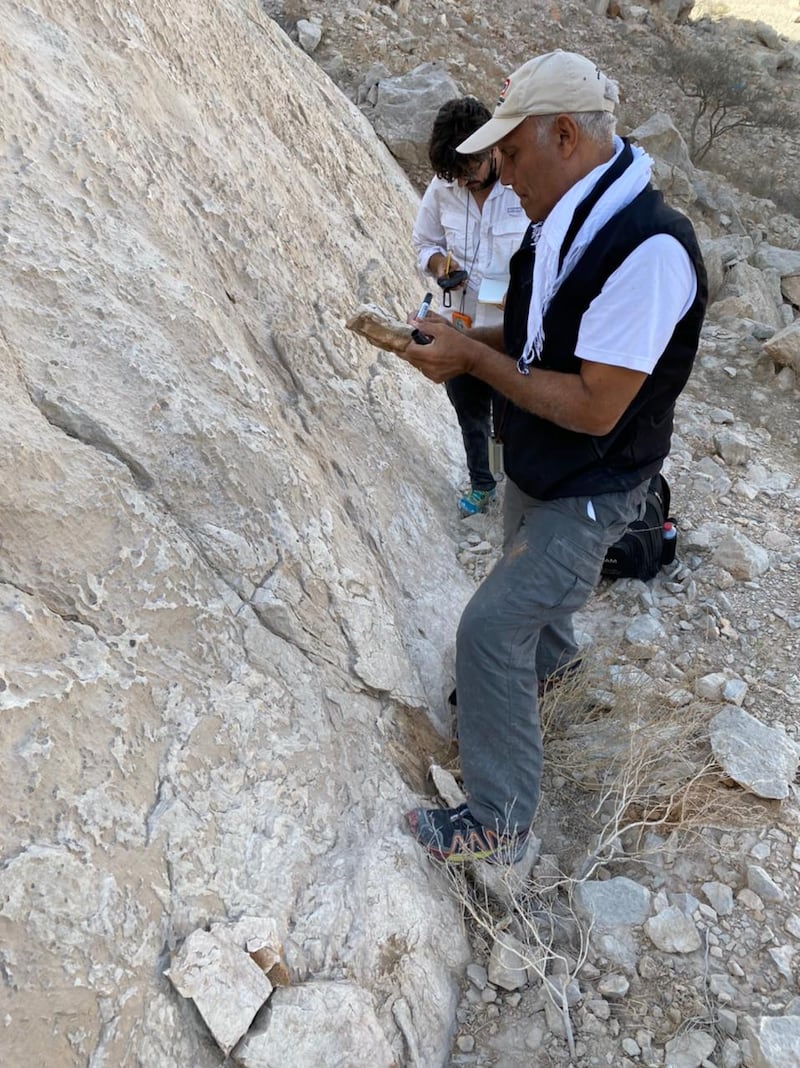
Researchers have found that parts of the Hajar Mountains in the north of the UAE have geology suitable for testing rovers and drilling rigs in conditions similar to those on the Moon and Mars. Kosmas Pavlopoulos, professor of environmental geomorphology at Sorbonne University Abu Dhabi, told The National that the results are «exceptionally promising». The work was published in the journal Planetary and Space Science; in addition to Sorbonne University, it involved scientists from the University of Sharjah, Sultan Qaboos University in Oman and the University of Lorraine in France.
What they found and why it matters
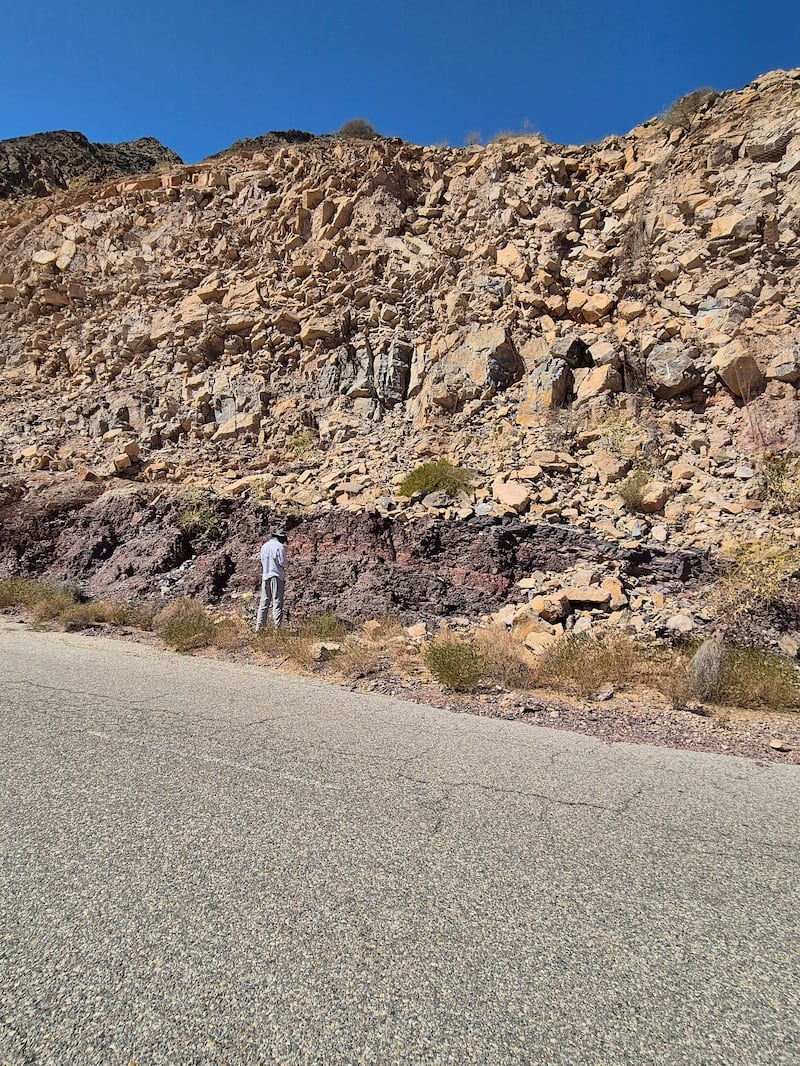
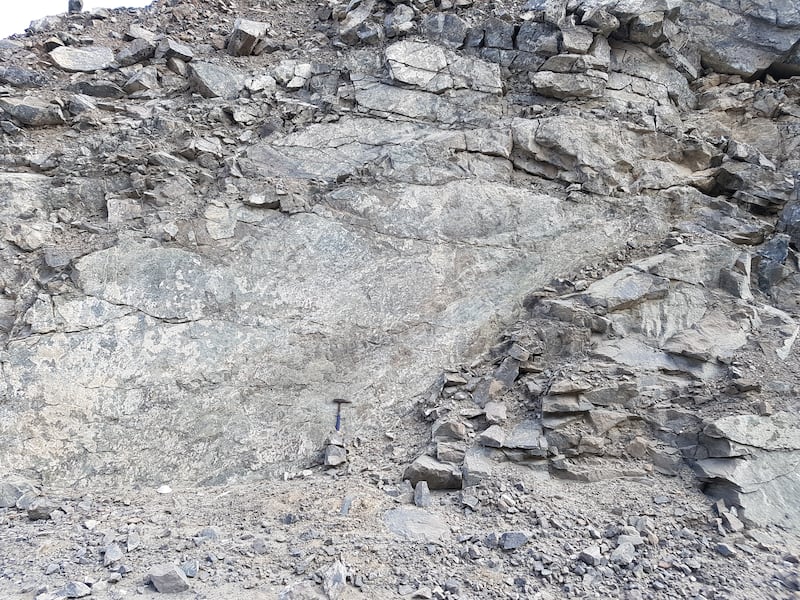
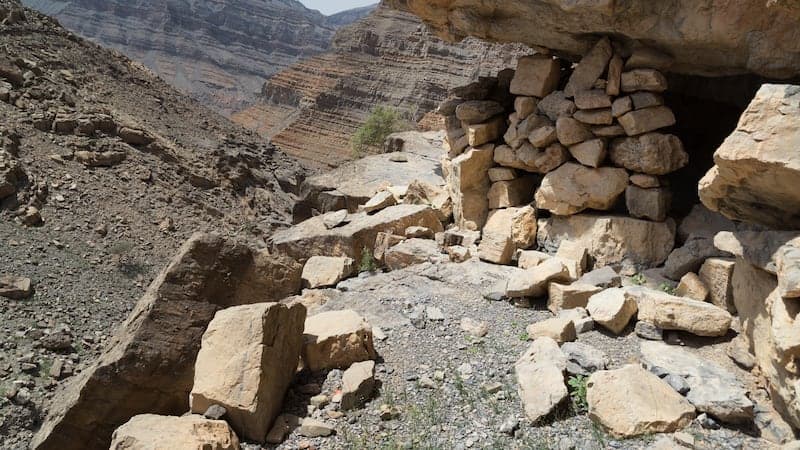
According to remote sensing data, promising extraction zones are located in the emirates of Ras Al Khaimah, Fujairah, Ajman and Dubai, and, according to Pavlopoulos, they conveniently sit next to existing transport and processing infrastructure. The key to the region's value is the Semail ophiolite in the northern Hajar Mountains: a formation stretching for hundreds of kilometres, described as the largest and best-preserved exposure of oceanic crust and upper mantle on the surface. It contains an abundance of mafic rocks rich in magnesium and iron — the same mineral «building blocks» that dominate the lunar basalts of the maria and Martian surface rocks.
Why simulants are needed
We are talking about simulants — materials that imitate the soil of the Moon or Mars. Real samples are extremely rare: less than 400 kg of material has been brought back from the Moon, nothing from Mars, and the samples collected by missions are of such high scientific value that destructive testing of them is prohibited. Therefore, as Nasa notes in a briefing document, every technology intended to work on the lunar surface must be tested on high-quality simulants. Beyond testing equipment, simulants help develop methods for extracting oxygen and building with extraterrestrial soil — an essential condition for future colonies. Moreover, a single planet requires many varieties of simulants: the bright highland areas of the Moon differ from the dark volcanic plains.
What this means for the UAE space programme
Pavlopoulos called the creation of local sources of simulants a «strategic breakthrough» for the UAE space ecosystem: local industry would reduce supply delays and dependence on foreign suppliers, give universities inexpensive materials in large volumes, and turn the country into an international exporter and a regional hub for planetary simulants. The need already exists among Emirati teams: the country is developing the Emirates Lunar Mission, run by the Mohammed bin Rashid Space Centre in Dubai (sending rovers to the Moon), and the Emirates Mars Mission, whose Hope probe was launched in July 2020. According to the scientist, as global space activity expands — including the Artemis programme and commercial lunar payloads — demand for simulants in large volumes exceeds supply. The work does not yet mean the start of extraction: the team plans to continue studying the most promising areas «subject to funding and logistics», including detailed characterisation of the material, development of mixture recipes and evaluation of the finished simulants.