The key facts
- Axel Scheffler is 'seriously considering' a lawsuit against AI companies and is consulting a lawyer in Germany
- Axel Scheffler is
- He considers Germany a more creator-friendly jurisdiction; collecting societies there have already won cases against AI companies
- Penguin Random House is suing OpenAI over the character Coconut the Little Dragon; a Munich court ruling is expected in spring 2027
The Gruffalo illustrator is preparing for a possible lawsuit
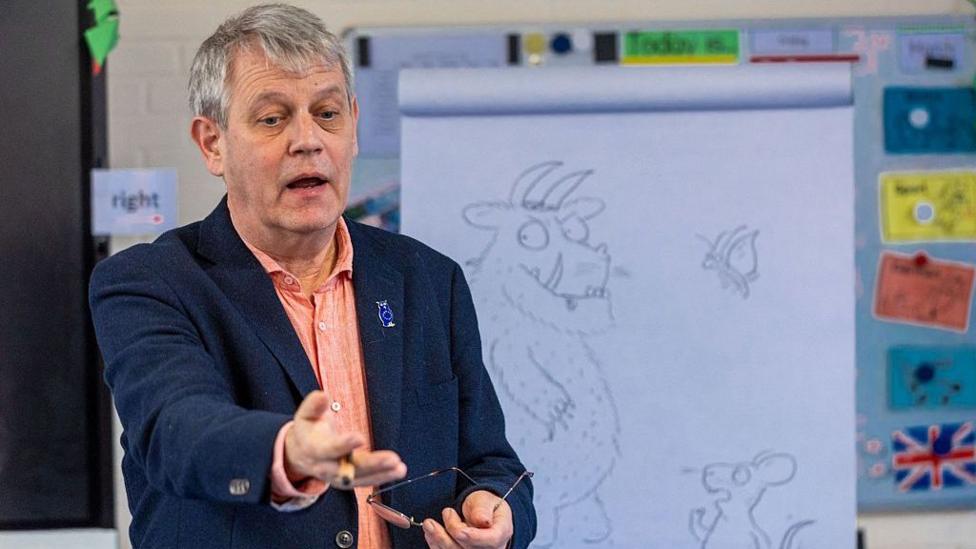
Axel Scheffler, the illustrator of the popular children's book The Gruffalo, told BBC London that he is 'seriously considering' filing a lawsuit against artificial intelligence companies, which, he says, infringe copyright by reproducing his work. 'I have been in touch with a lawyer in Germany. Illustrators are already taking legal action against AI companies, and I am seriously considering it. I just want them to stop,' the artist said. He did not name any specific company. The book, written by Julia Donaldson, has been published since 1999, and the Gruffalo books have sold more than 18 million copies.
The trigger: AI-generated images of his characters
Scheffler, who does not own a smartphone, said he had tried to ignore AI until he was shown digital recreations of his characters — for example, the mouse and the Gruffalo in Silicon Valley and at Oktoberfest. 'I was shocked. It is clearly my mouse, my Gruffalo, as close as they can possibly make it, but the rest of the image is entirely generated — this is a clear copyright infringement,' he said. He is considering legal action specifically in Germany, as he believes the EU is a more creator-friendly jurisdiction.
Legal complications and a parallel case against OpenAI
Nick Buckland, an intellectual property lawyer at the London firm Lewis Silkin, confirmed to the BBC that Germany could be a suitable venue: collecting societies there have already won cases against AI companies twice, proving verbatim copying of song lyrics. However, proving infringement will not be easy: 'Generative AI does not copy, it learns,' the lawyer explained, describing the companies' argument that the model scans millions of images rather than reproducing a specific work. The existence of a recognisable character like the Gruffalo could help the case, but copyright infringement would still have to be established. Meanwhile, the German publishing group Penguin Random House, together with author and illustrator Ingo Siegner, is already suing OpenAI, claiming that the company copied the character from the children's book Coconut the Little Dragon (Der kleine Drache Kokosnuss). A ruling by the Munich regional court is expected in spring 2027. OpenAI said it is having 'productive conversations with rights holders around the world' and that rights holders can raise disputes with the company directly.
The broader context: creators' interests and government policy
Scheffler stressed that any potential lawsuit would be aimed not at compensation but at protecting creators now and in the future. Royal College of Art student Ivy Dan said she does 'not feel protected' when it comes to the fair use of her work, while Professor James Coupe, who leads the college's AI and digital art programme, noted that the key question is 'who shapes these technologies and whose interests they serve'. The debate is unfolding against the backdrop of the UK government's decision, announced last June, to invest £2 billion in AI by 2030. Buckland believes the authorities face a difficult choice between protecting the creative industries and developing AI. The Department for Culture, Media and Sport said it does not see support for the creative industries and the AI sector as mutually exclusive: 'Copyright law must protect the UK's position as a creative power while unlocking the potential of AI innovation.' Meanwhile, Scheffler and his publishers continue to discuss the possibility of a lawsuit in Germany; the artist himself advises his colleagues to 'draw by hand and be old-fashioned'.
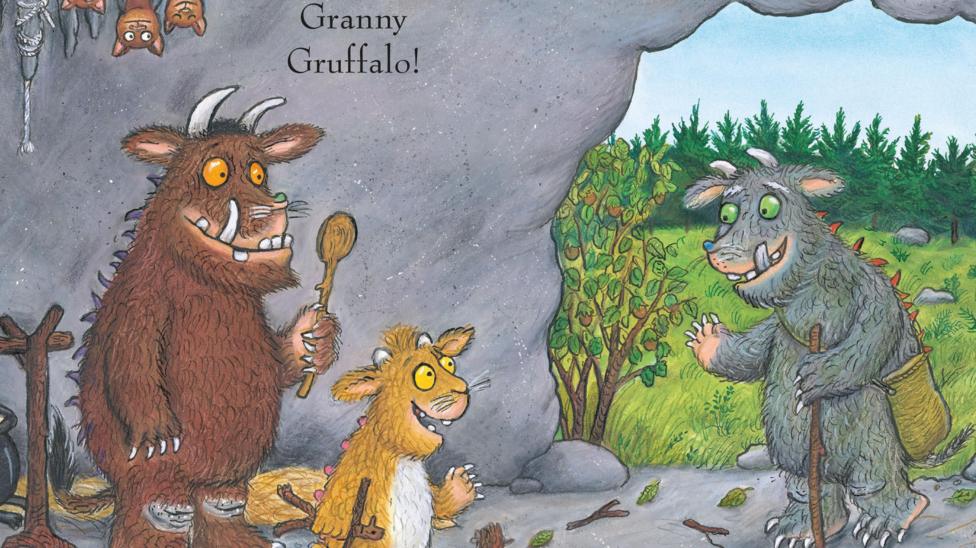 Image source, Macmillan/Axel Scheffler
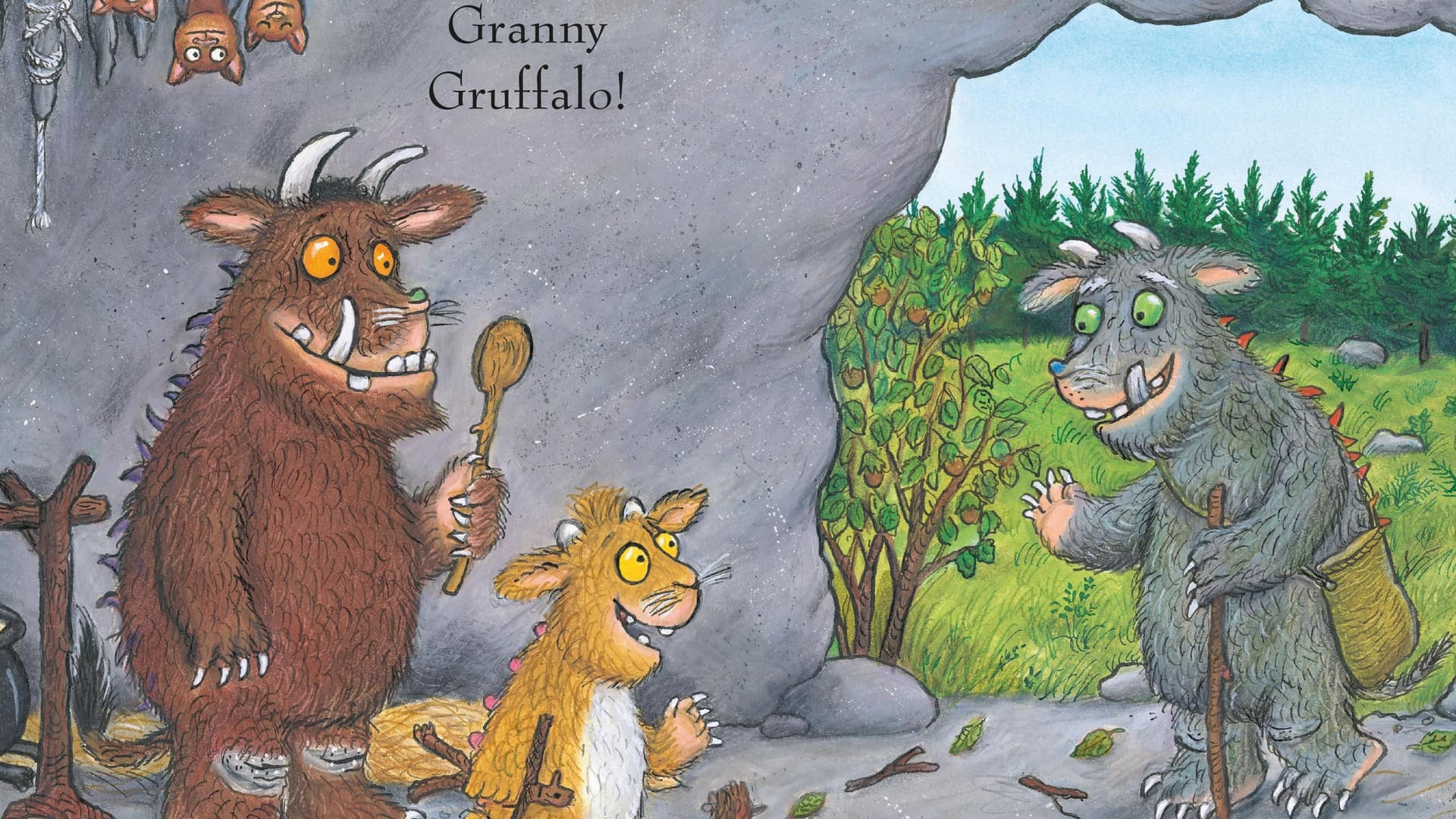
The Gruffalo has been a staple of children's bookshelves since 1999
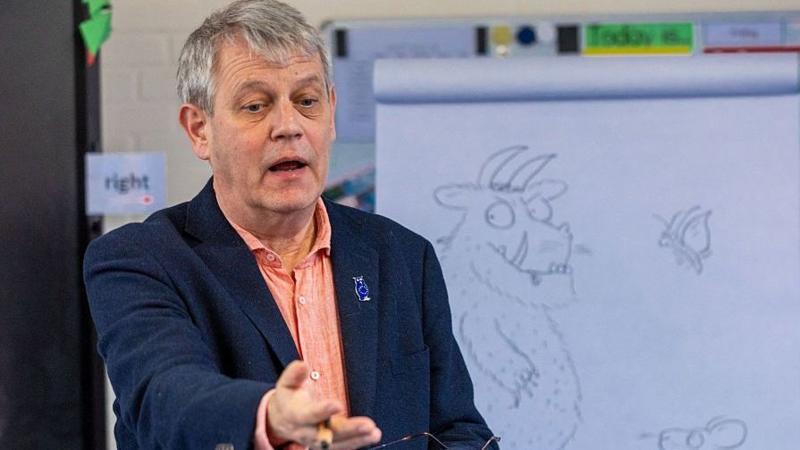 Image source, Getty Images
Axel Scheffler says he wants better protection for creative works
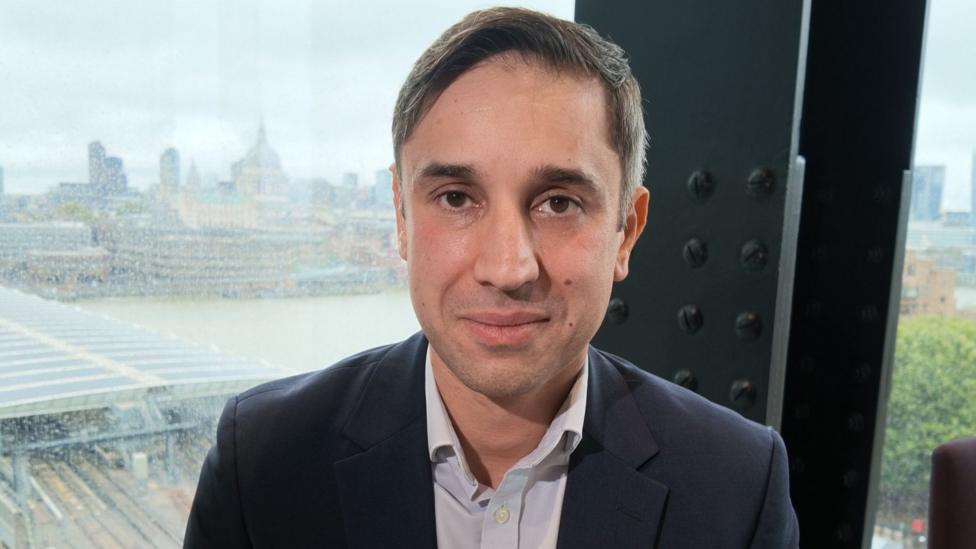
Nick Buckland said proving copyright infringement would not be straightforward
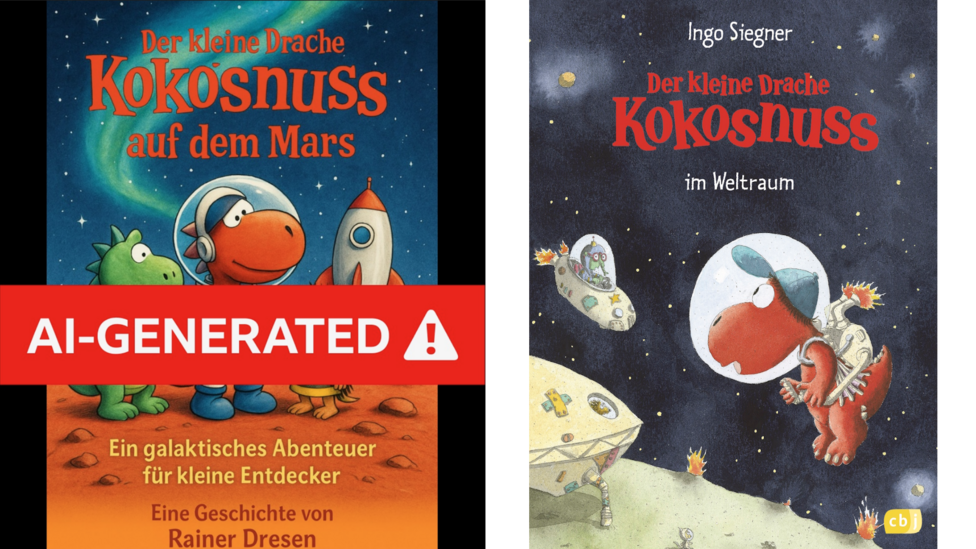 Image source, Coconut the Little Dragon/Ingo Siegner/Penguin Random House Verlagsgruppe
Penguin Random House is suing OpenAI over AI created-images of Coconut the Little Dragon, like this example on the left. The original cover is on the right
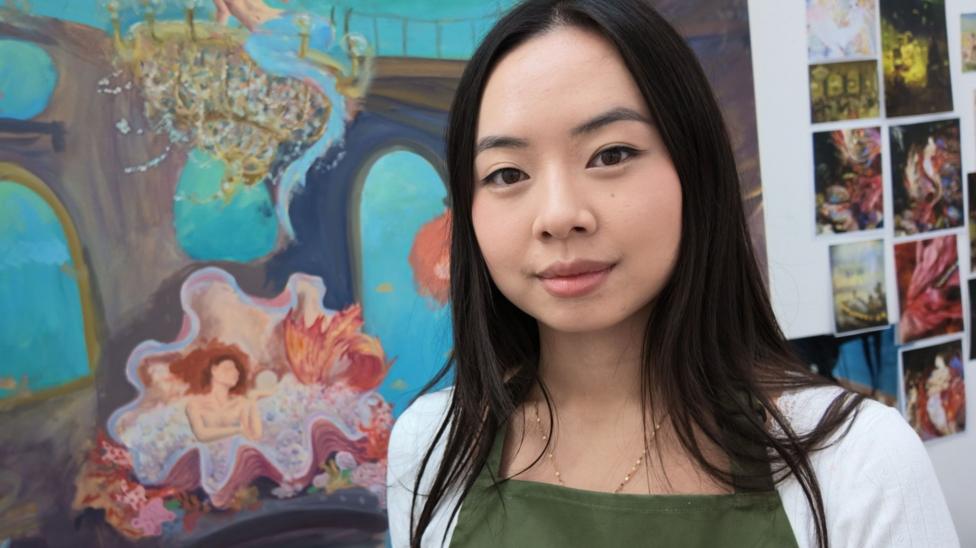
Ivy Deng says she has faith people will see the value of human-produced art
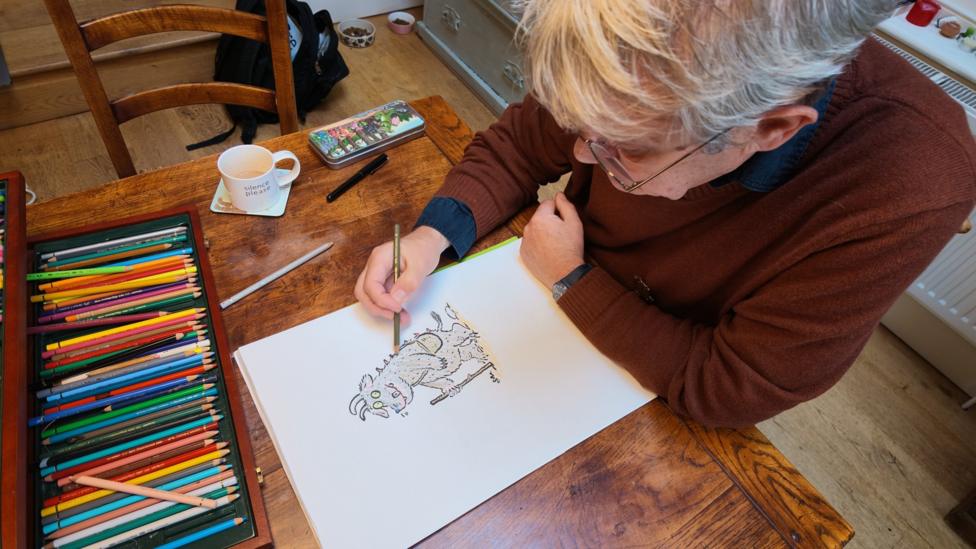
Scheffler encouraged artists to continue