The key facts
- GM will pay $220 million to 36 states for selling Smart Driver program data to brokers, including LexisNexis and Verisk
- GM must now obtain drivers' explicit consent for data collection and sharing and undergo an independent assessment of its privacy program compliance
- The settlement complements the FTC order finally approved in January 2026
A $220 million settlement
General Motors has agreed to pay $220 million to 36 states to settle a lawsuit brought by a coalition of state attorneys general, who accused the automaker of unlawfully selling data on driver behavior and location to data brokers, which then resold it to insurance companies. The news was reported by TechCrunch.
What exactly happened
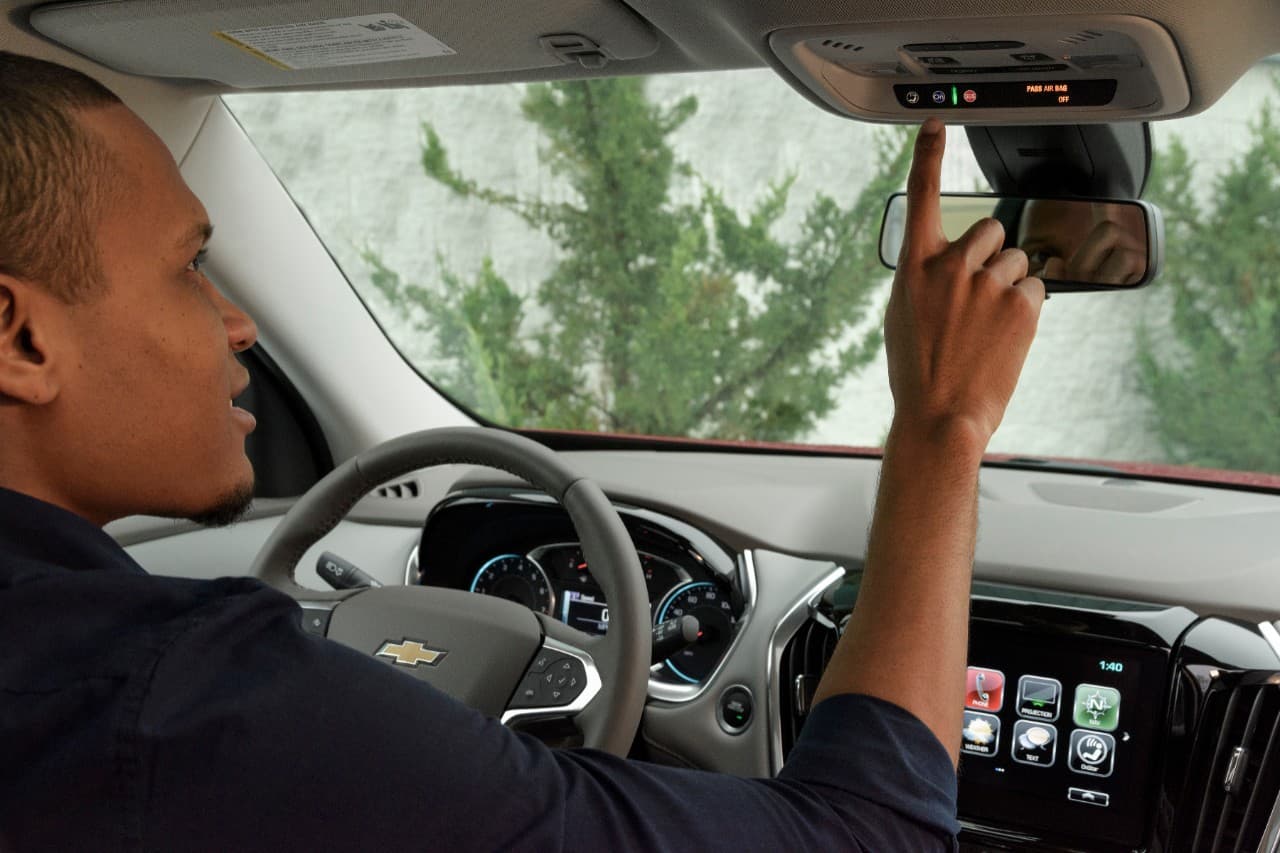
The case concerns the Smart Driver program — a free feature in GM's connected apps that tracked and scored driving style and seat belt use. As an investigation by The New York Timesshowed, GM and OnStar collected, used and sold precise geolocation and driving data to third parties, including the brokers LexisNexis and Verisk, which in turn passed it to insurers, potentially affecting customers' rates. GM shut down Smart Driver in 2024, but that did not stop the legal proceedings.
New obligations
Under the settlement, GM must obtain drivers' explicit consent before collecting or transmitting driving and location data. These terms align with previously reached agreements with California and the Federal Trade Commission (FTC), which in January 2026 finally approved an orderprohibiting GM and OnStar from transmitting certain consumer data. A new element of the multistate settlement is a requirement for an independent third-party assessment of GM's compliance with its privacy program. The company has also updated its privacy policy language and launched a consumer Privacy Center; according to GM, it no longer sells data that can be linked to a specific person, their vehicle or driving style, although it may share de-identified data with certain partners.
Context: more data, more regulatory scrutiny
The settlement and the mandatory changes in data handling coincide with the growing number of vehicles equipped with sensors and computing power: automakers are betting on software-defined cars connected to drivers' calendars, messages and email. GM, in particular, is adding a personal AI assistantto OnStar: the car's cameras will be connected to software for streaming and recording accidents, and voice commands will control the climate and answer questions about the car's functions. When announcing the assistant at the GM Forward event in October, the company emphasized privacy protection: recordings are time-limited and encrypted, GM and OnStar have no access to Connected Camera recordings, and users will be able to manage permissions — however, GM acknowledged that opting out of data sharing will likely limit access to some features.