The key facts
- Ukraine and Russia are preparing to evacuate civilians from occupied Oleshky after a six-day local ceasefire with the involvement of Melania Trump
- Ukraine and Russia are preparing to evacuate civilians from occupied Oleshky after a six-day local ceasefire involving Melania Trump
- Yatsenyuk ruled out an expansion of the ceasefire and called the talks an attempt by Putin to end the war 'on his own terms'
- He urged that Europe not be excluded from the negotiations and proposed Stubb or von der Leyen as possible EU representatives
- He urged against excluding Europe from the negotiations and proposed Stubb or von der Leyen as possible EU representatives
Local ceasefire in Oleshky: evacuation ready, but questions remain
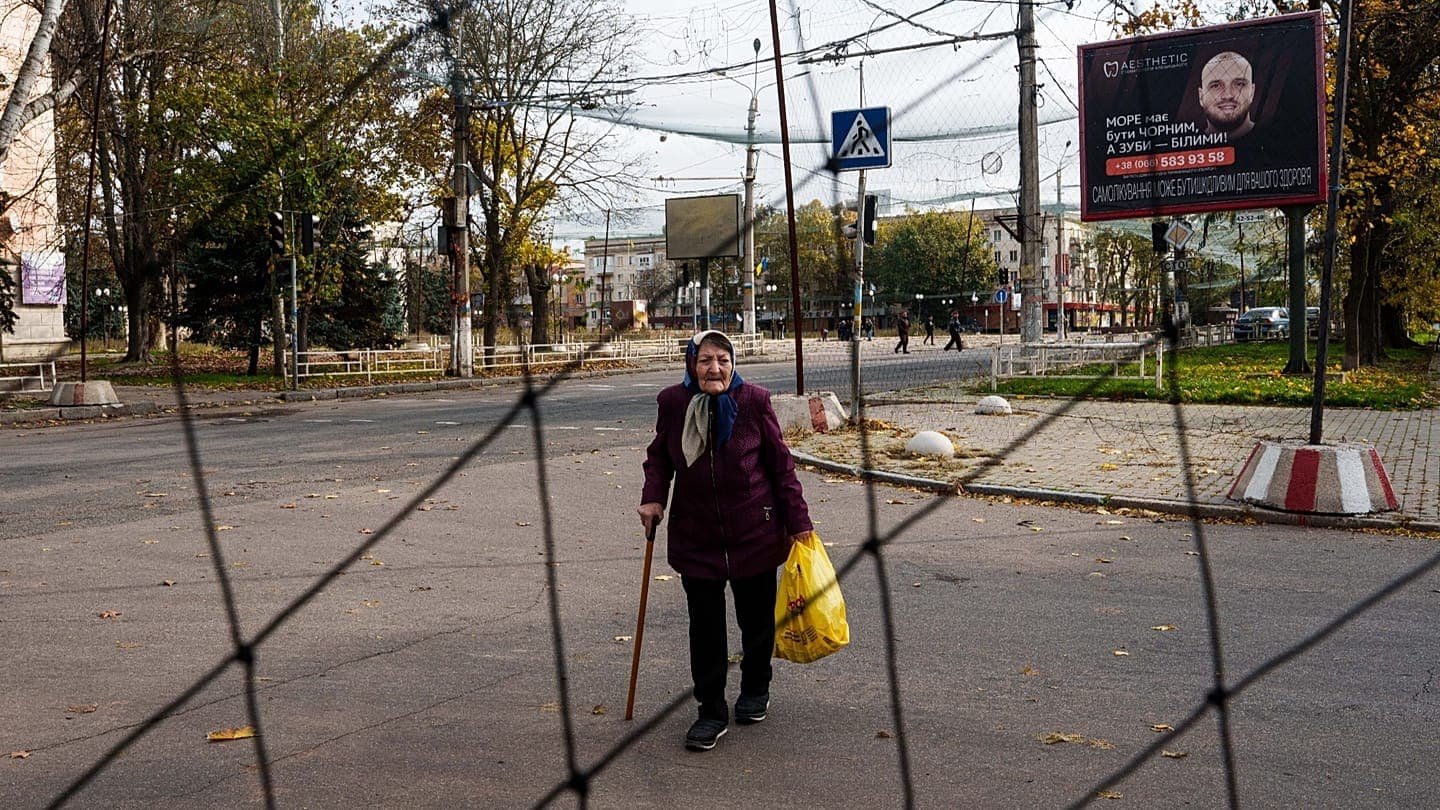
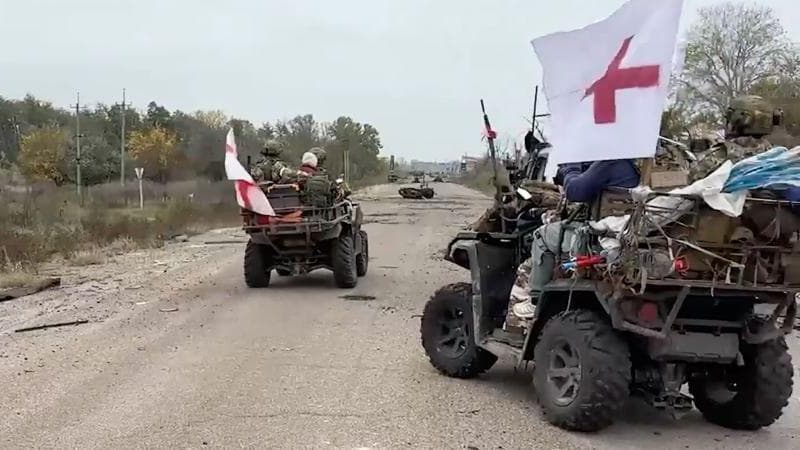
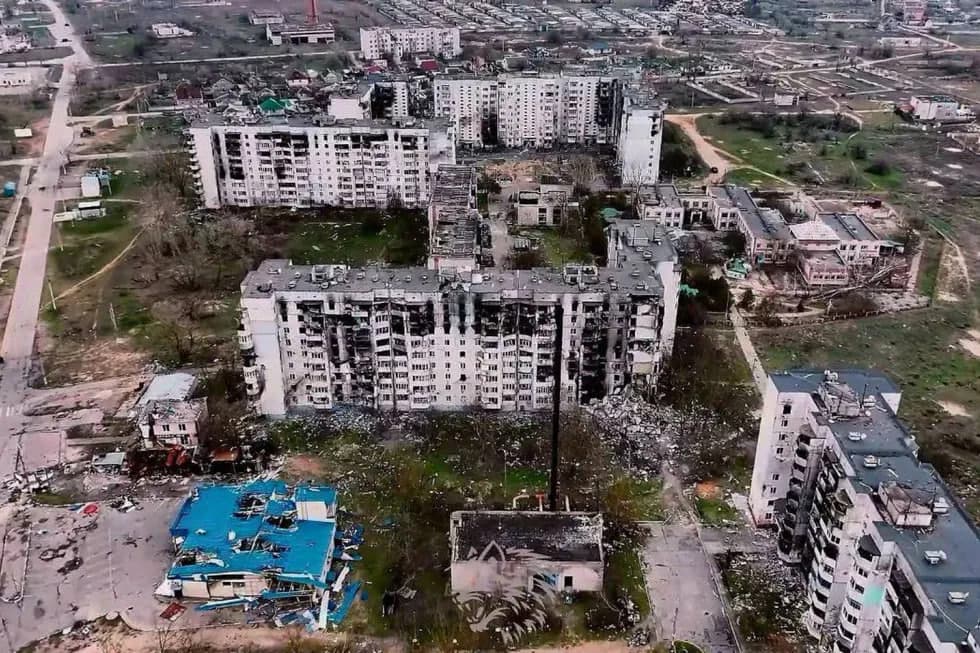
Ukraine and Russia are preparing to deliver humanitarian aid and evacuate civilians from Oleshky — a city in the Kherson region occupied since the first days of the full-scale invasion. The operation is taking place against the backdrop of a six-day local ceasefire, in the organization of which US First Lady Melania Trump was involved. On Thursday, Ukrainian and Russian officials confirmed that demining of the evacuation routes has been completed and the humanitarian convoy is ready to depart. The evacuation was planned until 14:00 local time on Friday, after which aid distribution was expected to begin. However, as Euronewsnotes, serious questions remain about the fate of those who wish to leave, especially those who want to return to Ukrainian-controlled territory via a route through occupied Crimea, Russia and Belarus.
Yatsenyuk: 'No' and 'no way'
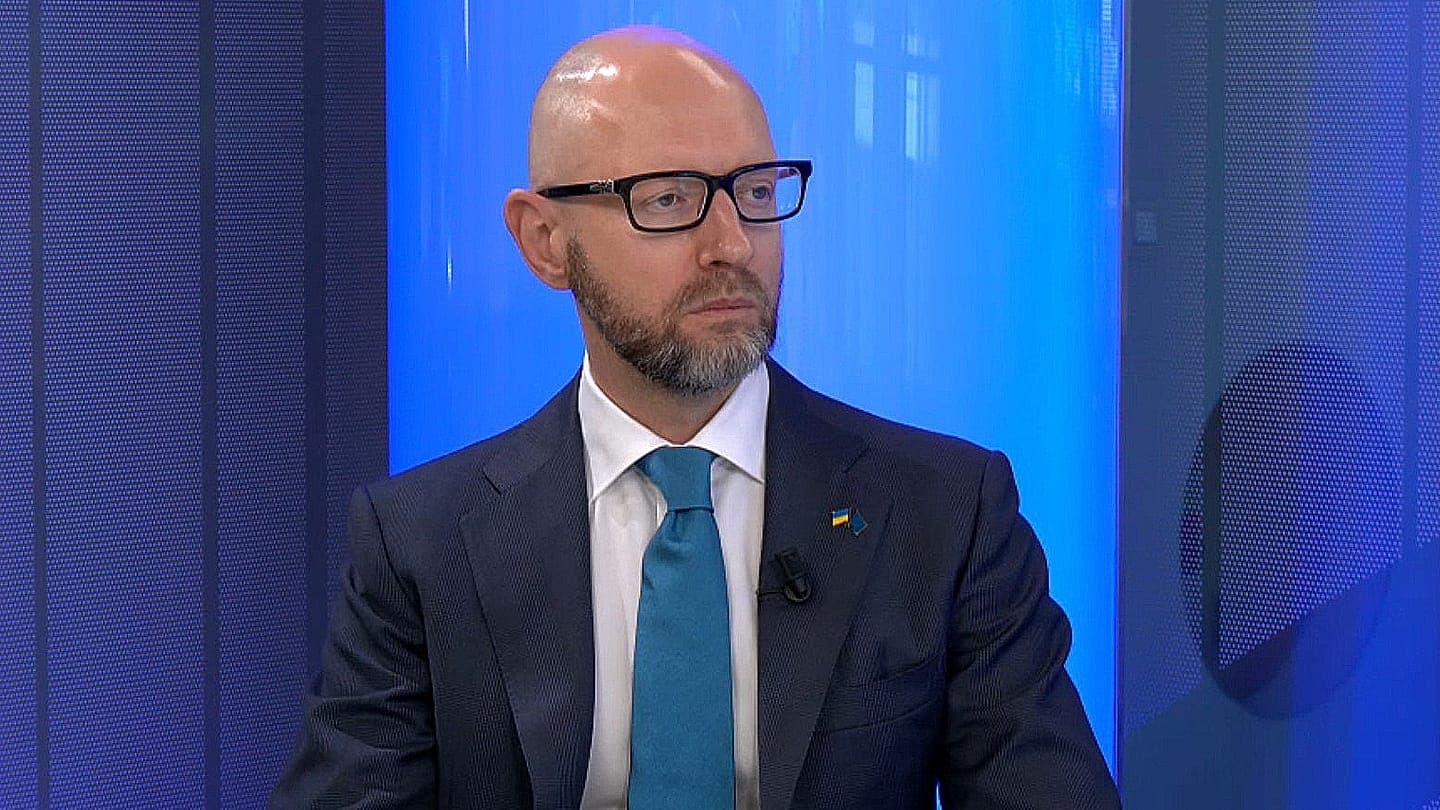
Former Prime Minister of Ukraine Arseniy Yatsenyuk, in an interview with Euronews, ruled out that the local ceasefire in Oleshky would become a first step toward a broader agreement. Asked whether it could lead to a wider ceasefire, he replied: 'My answer will be very short. No,' and to the question of whether Russia would agree to a ceasefire, he added: 'No way.' He accused Moscow of treating the remaining residents as hostages and using their situation for a propaganda operation portraying Russian forces as rescuers. 'And in this way they are actually trying to buy some positive attitude from the White House. That is my opinion,' Yatsenyuk said, adding: 'There is no way to trust the Russians, period.' He also warned that the humanitarian mission could be used for propaganda purposes and urged American journalists covering the operation 'to be journalists and tell the truth, not repeat Russian propaganda.' In his view, Washington bears a special responsibility to ensure that civilians receive aid and can freely decide whether to return to Ukrainian-controlled territory.
Skepticism about negotiations and Europe's role
Yatsenyuk's skepticism also extends to the resumption of US diplomatic efforts: further technical talks are being discussed for November, possibly in Abu Dhabi. He viewed Russia's readiness to return to negotiations as an attempt to create the appearance of progress without real concessions. 'Putin is ready to end the war on his own terms,' he declared, arguing that the Russian president would agree only to an agreement tantamount to Ukraine's capitulation. According to him, Moscow is using the negotiations to buy time, circumvent sanctions and deepen divisions between Washington and its European allies, and Putin's ultimate goal has not changed — to establish control over all of Ukraine. Despite his pessimism, Yatsenyuk insisted that Washington and Kyiv must continue to demand an unconditional ceasefire from Moscow.
Europe must be 'at the table', not 'on the menu'
Yatsenyuk also warned of the danger of excluding European countries from negotiations on Ukraine's future, accusing Moscow of deliberately seeking to marginalize the European Union. He used the formula about the difference between Europe having a seat 'at the negotiating table' versus being 'on the menu,' noting that the EU's financial support for Ukraine makes it an indispensable participant in any negotiations. Asked who should represent the EU, he said that this is a decision for European governments, and named President of Finland Alexander Stubb and European Commission President Ursula von der Leyen as possible candidates, adding, regarding Russian objections: 'Who cares?'. He was also skeptical about recent appeals to Putin from Stubb and Norwegian Prime Minister Jonas Gahr Støre: in his view, Moscow may interpret such initiatives as a sign of European weakness and disunity. 'Putin was very pleased to receive that phone call, because it is a sign of rifts and cracks within the European Union,' he said, recalling earlier attempts by European leaders, including Emmanuel Macron, to contact the Russian president directly. 'Europeans must act in unison. We need to speak with one voice,' Yatsenyuk concluded.