The key facts
- The ceasefire regime in Alyoshky has been in effect since 27 October and, according to negotiators, is to last until 22:59 on 1 November
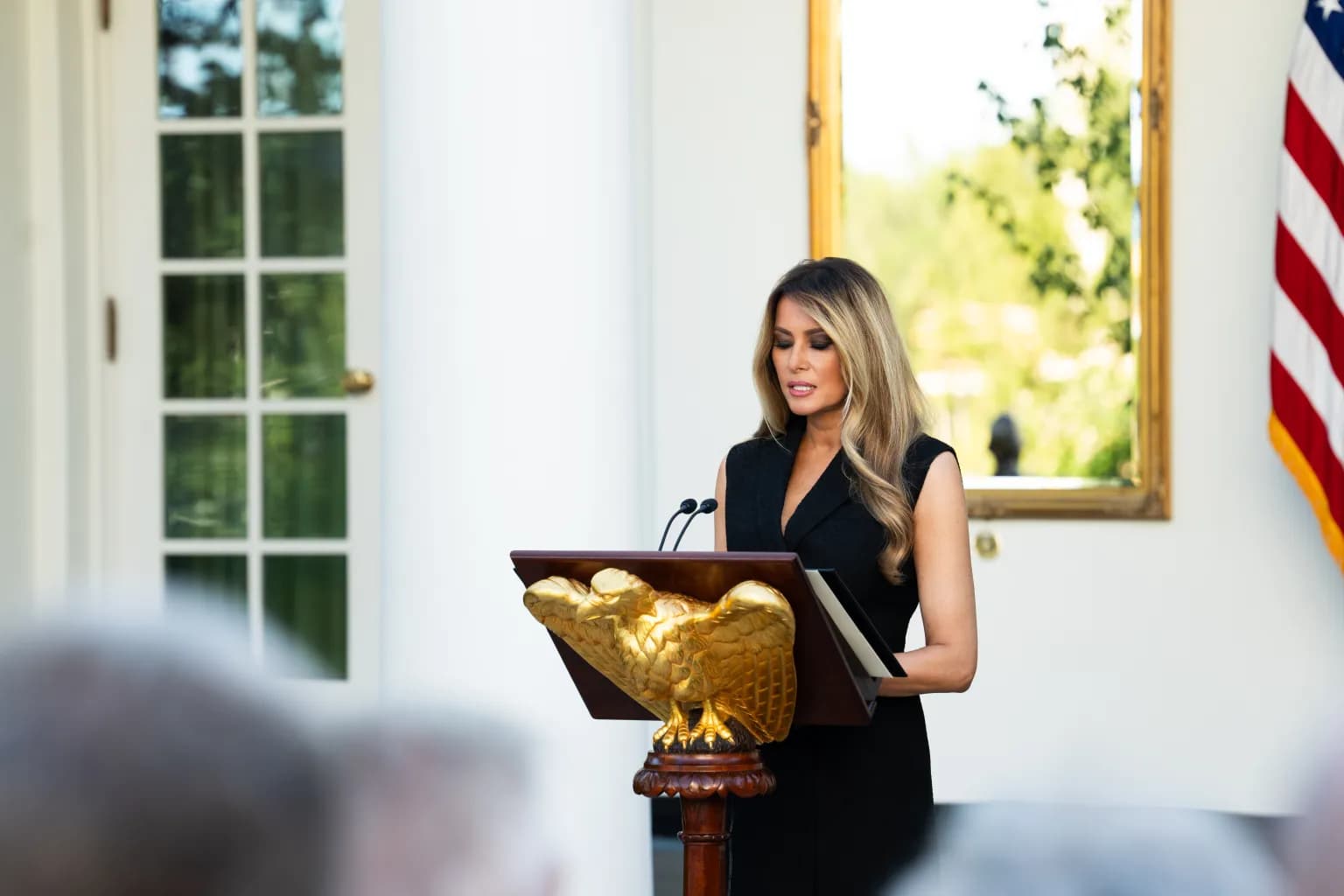
- The agreement was reached with the involvement of Melania Trump; she said the regime was introduced two days ahead of plan and expanded geographically
- Evacuation routes and final destinations for residents remain uncertain: the sides name different options
What is known about the ceasefire regime
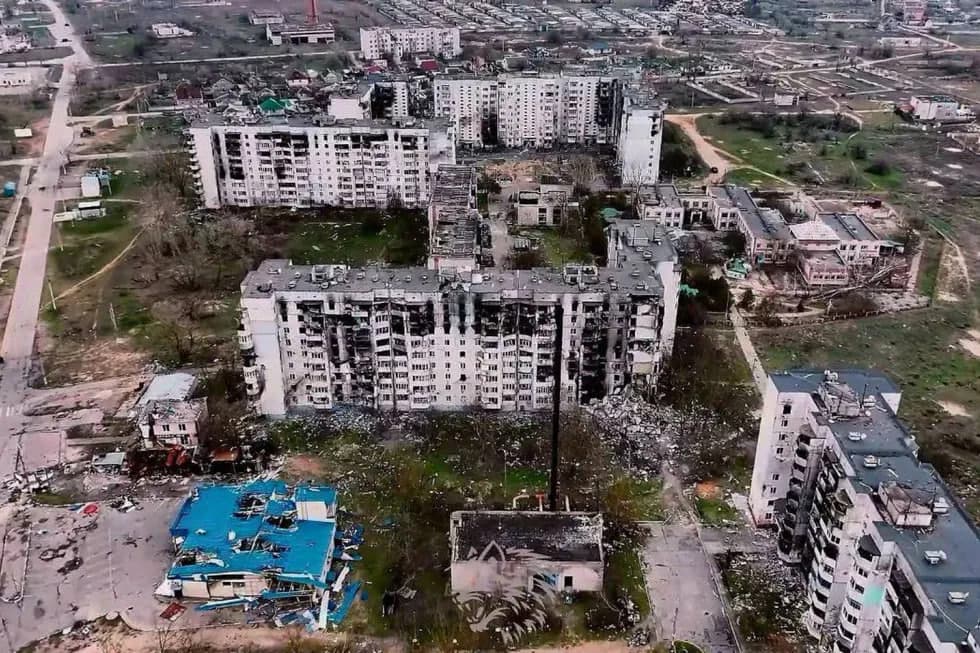
In the Ukrainian city of Alyoshky in Kherson region, occupied by Russian troops and, according to sources, in a state of humanitarian catastrophe, a ceasefire regime came into effect early on the morning of 27 October. The truce was agreed in advance — to deliver humanitarian aid and organize the evacuation of civilians. As Kun.uz reports citing David Arakhamia, head of the Servant of the People faction in the Verkhovna Rada and a member of the negotiating group, the regime is to last until 22:59 on 1 November; this was confirmed by Yana Lantratova, the human rights commissioner in Russia. Arakhamia called the truce in Alyoshky 'the largest de-escalation since 2022.'
Melania Trump's role and the first day
The agreement was reached with the assistance of US First Lady Melania Trump. According to her, the ceasefire regime was introduced two days ahead of schedule and its geographic scope was expanded to allow humanitarian convoys to pass safely; she said this was confirmed by Valery Gerasimov, chief of the Russian General Staff. On the evening of 27 October, both sides reported that the regime was being observed; the Kremlin noted that the humanitarian operation in Alyoshky was proceeding 'according to plan.'
What remains unclear
Many details of the operation have not been disclosed: it is unknown which roads will be demined, where and how residents will be evacuated, whether they will be allowed to travel directly to Ukraine or stay in Alyoshky, and whether families will be able to leave with their children. According to the Financial Times, those wishing to leave for Ukraine are first taken to territory controlled by Russia; the operation is being carried out in several stages. Petro Andriushchenko, head of the occupation studies center, said the evacuation is planned for 30 October, data on those wishing to leave is being collected urgently, and the order of evacuation depends on road demining; according to him, Kyiv is counting on a route across the Dnipro — directly to territory it controls. Vladimir Saldo, the Russian-appointed 'governor' of Kherson region, for his part, said residents may be evacuated to Crimea, annexed by Russia, or to Rostov, where transport and temporary accommodation points have been prepared, adding that assistance will also be provided to those who want to leave for Ukraine. Thus, the sides describe the final evacuation destinations differently, and no confirmed unified scheme exists yet.