The key facts
- 31 healthy participants aged 60–75 ate 60 g of unsalted roasted peanuts with skin daily for 16 weeks
- The insulin response improved in areas of the right hemisphere, including parts of the hippocampus
- Earlier, the same team recorded a 3.6% increase in blood flow to the brain and a 5.8% improvement in verbal memory
What the experiment showed
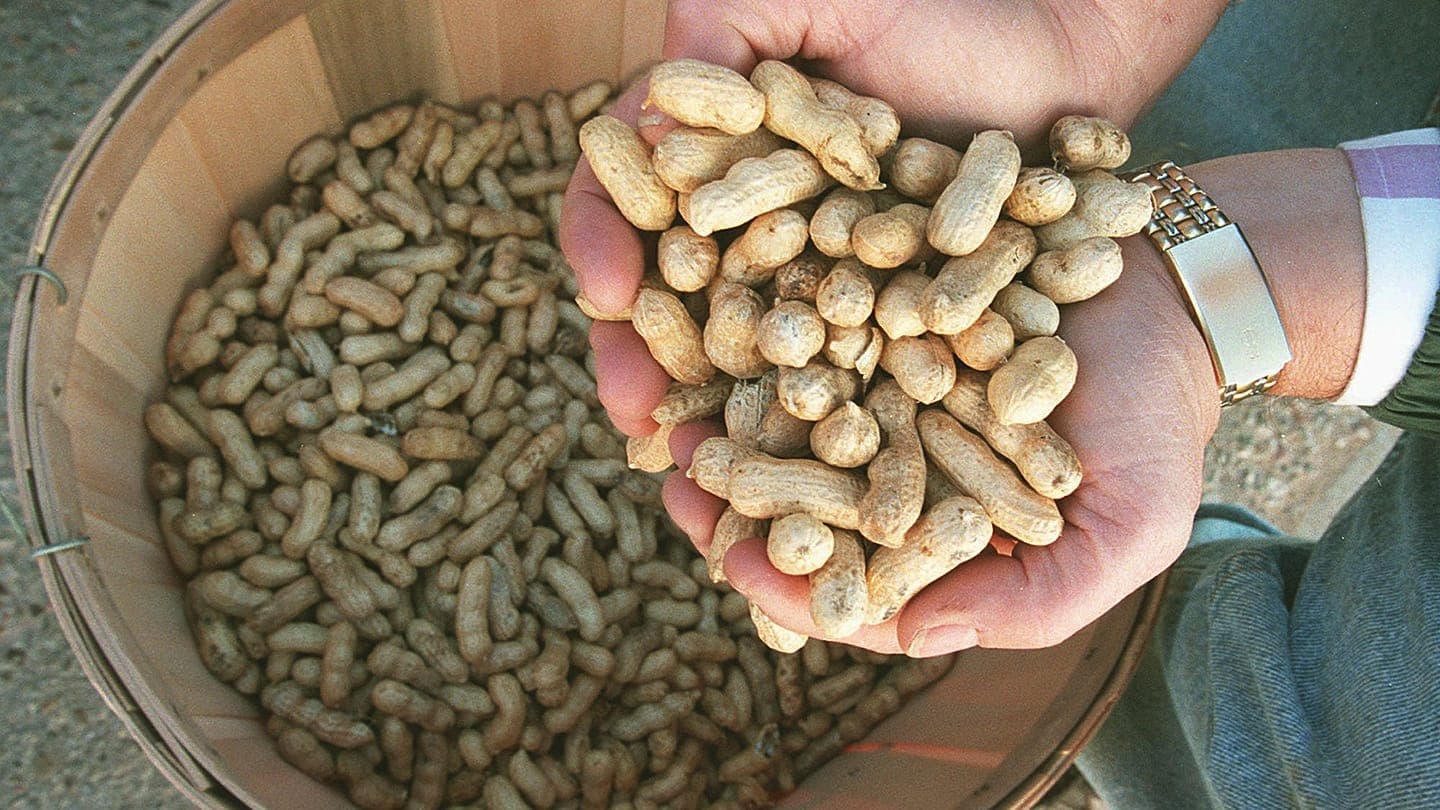
Researchers at Maastricht University Medical Center in the Netherlands published the study in the journal Food & Function. The experiment involved 31 healthy people aged 60 to 75: for 16 weeks they ate 60 grams of roasted peanuts with skin and without salt every day, after which the results were compared with a period without peanuts.
How the effect was measured
Participants received insulin through the nose, and then changes in blood flow in brain regions were measured using magnetic resonance imaging based on arterial spin labeling. The result showed an improved insulin response in areas of the right hemisphere — including parts of the hippocampus, the parahippocampal, lingual and posterior cingulate gyri, which are involved in memory and other cognitive functions. Insulin is involved in learning, memory and communication between nerve cells, and with age the brain's response to this hormone may weaken, which is linked to age-related cognitive decline.
What it means and what is not yet proven
The authors explicitly note: the study does not demonstrate that peanuts prevent cognitive decline or stop the development of dementia — only changes in the insulin response of specific brain regions were recorded. The new findings build on a previous study by the same team, published in 2025 in the journal Clinical Nutrition: back then, after 16 weeks of the intervention, an increase in overall blood flow to the brain of 3.6% and an improvement in verbal memory of 5.8% were observed. A possible explanation for the effect is the composition of peanuts: unsaturated fats, fiber, vitamins, minerals, biologically active plant compounds, plant protein, as well as the amino acid L-arginine, from which the body produces nitric oxide, which affects blood vessels and possibly learning and memory. The limitations are significant: the sample is only 31 people, and the observed measures do not allow us to claim that peanuts protect against Alzheimer's disease or other forms of dementia. Studies with a larger number of participants and longer follow-up are needed to understand whether the effect persists over time and how changes in the brain's insulin response translate into real memory and mental performance.