The key facts
- Butternut squash skin and seeds contain 9.25 g of fibre per 100 g — almost like a serving of bran cereal
- Watermelon rind — 2.10 g per 100 g, roughly the same as a slice of wholegrain bread
- Only 4% of adults in the UK get the recommended 30 g of fibre per day
Food waste as a source of fibre
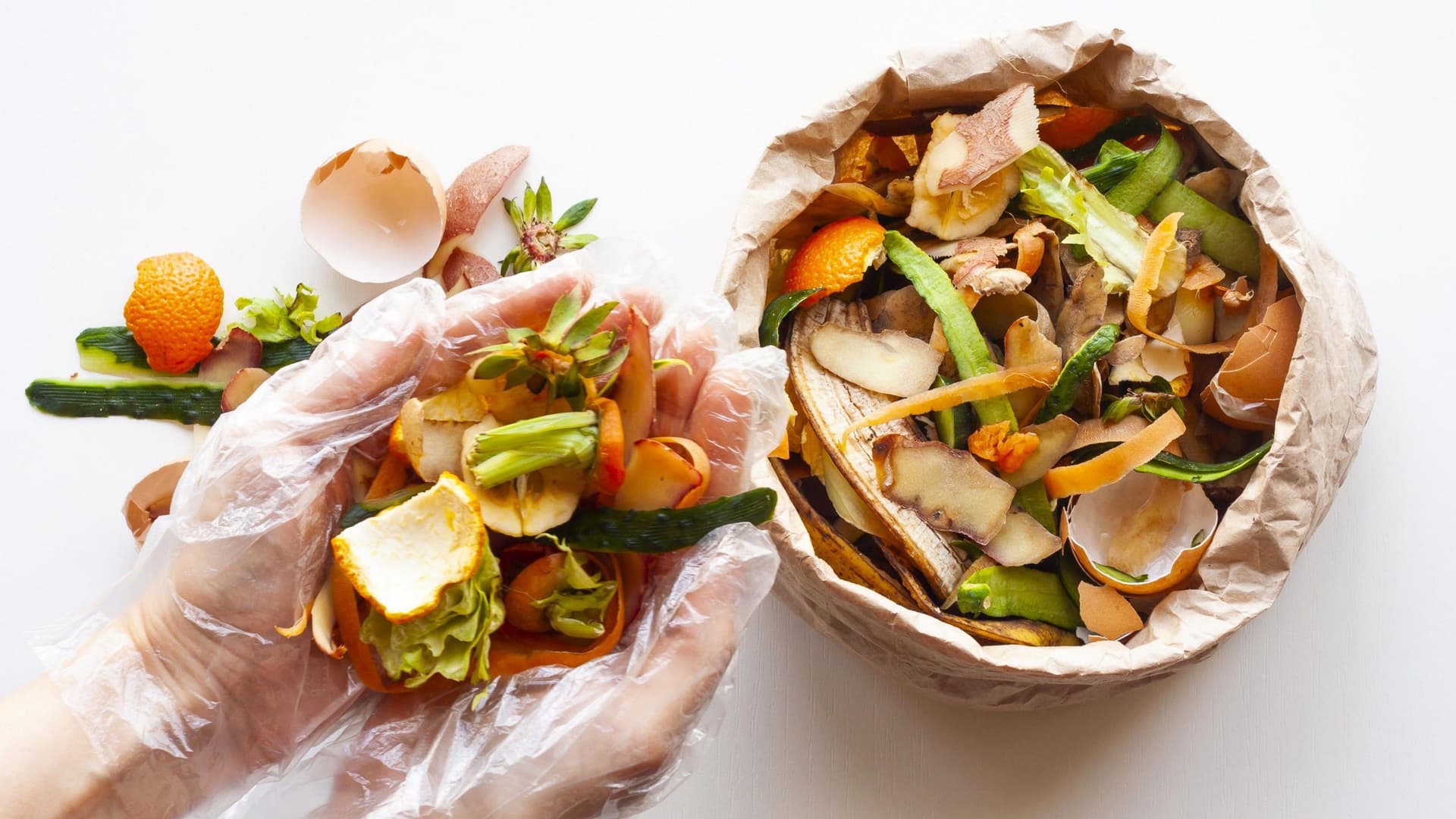
Parts of fruits and vegetables that are usually thrown away — peels, stalks, seeds and cores — could become a significant source of dietary fibre, which most people lack. This is the conclusion reached by researchers at King's College London, who published a study on 'root-to-tip' eating — using a product in its entirety, from root to tip. This is reported by BBC News.
What the measurements showed
The scientists analysed 12 fresh products in raw or unprocessed form: beetroot, bell pepper, broccoli, butternut squash, cauliflower, celeriac, kale, fennel, kiwi, leek, pineapple and watermelon. In many of them, the discarded parts contained more fibre than the parts usually eaten. According to the study, watermelon rind contains 2.10 g of fibre per 100 g — roughly the same as a slice of wholegrain bread; butternut squash skin and seeds — 9.25 g per 100 g, almost like a serving of bran cereal; pineapple skin and core — five times more fibre than the flesh; broccoli stalks also contain fibre, though less than the florets. Overall, the skin of fruits and vegetables tends to be richer in fibre than the inner part: a kiwi eaten with its skin provides 50% more fibre than a peeled one.
The scale of the problem
The relevance of the study is underscored by official data from the national nutrition survey: only 4% of adults in the UK reach the recommended intake of 30 g of fibre per day. Fibre is essential for normal bowel function, helps maintain a feeling of fullness for longer and, according to the NHS, is linked to a lower risk of heart disease and bowel cancer.
Testing in practice and limitations
The university tested the idea in its own canteen: for nine weeks, 'root-to-tip' dishes, including banana peel curry, made up a third of daily hot dish sales. However, those who chose the new dishes were less likely to finish them than diners with the regular menu. Project lead Dr Rachel Gibson emphasised that the point is not 'perfection' and not forcing people to eat unpalatable food, but recognising the nutritional value of what people are used to throwing away: 'It is not only a food loss but also a financial one — you are effectively throwing away a significant part of what you paid for.' Kirsten Jackson, a dietitian with the British Dietetic Association who specialises in irritable bowel syndrome, considers such practices useful provided the produce is washed thoroughly; she suggests, for example, adding pineapple core to smoothies, but does not recommend tough skin, while stalks should be cooked or finely chopped. She also advises increasing fibre intake gradually to avoid bloating, noting that people with IBS may find it harder to tolerate. The British Nutrition Foundation warns of exceptions: green potatoes and rhubarb leaves contain toxic compounds, and tough stalks and seeds may not be suitable for young children.
How to cook to preserve fibre
Heat treatment changes fibre content but usually does not destroy it completely. Nutrients are best preserved by steaming, microwaving or quick stir-frying. Among home techniques, the researchers mention kiwi with the skin on, broccoli stalks in a stir-fry, and bell pepper seeds in dishes.
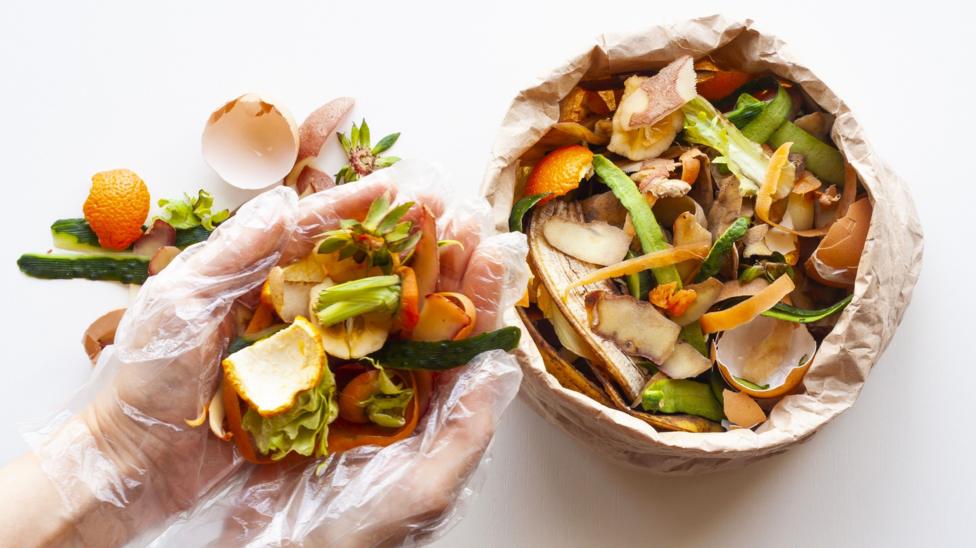 Image source, Getty Images
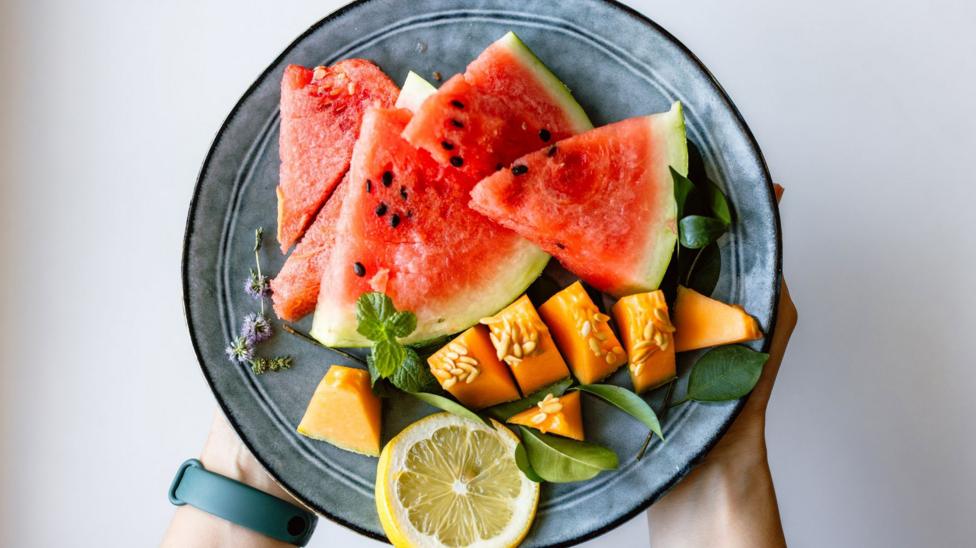 Image source, Getty Images
Skin and pips can be beneficial, the fibre researchers say
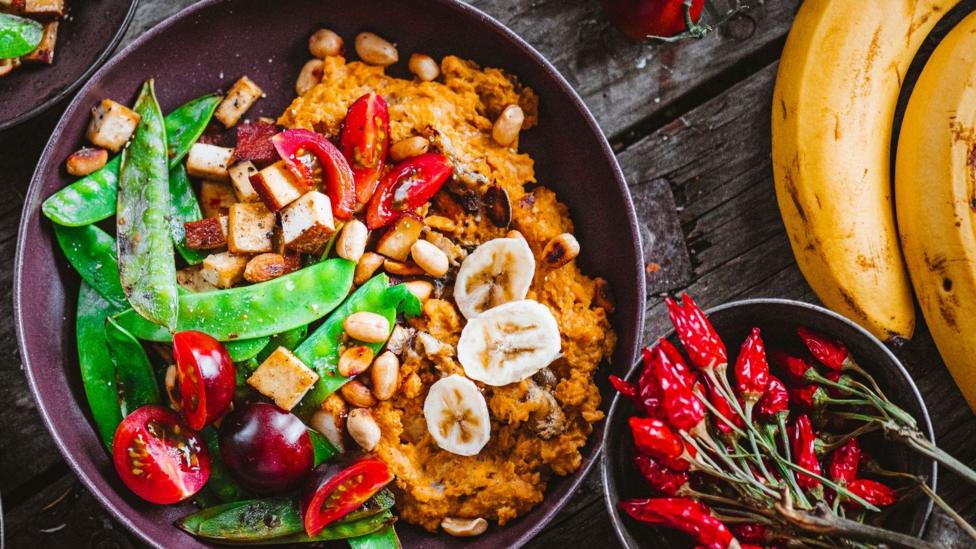 Image source, Getty Images