The key facts
- HMRC will assign a Customer Compliance Manager to each of 200+ billionaires, aiming to collect £500 million
- A 15% tax on sovereign funds' rental income is expected to bring in about £700 million by 2029–30
- The 'wealth gap' in 2024–25 stood at £3.6 billion; since the 2024 budget, thousands of millionaires have left the country
Personal oversight for every billionaire
After the budget, the UK tax authority HMRC announced that it will assign a personal Customer Compliance Manager to each of the more than 200 billionaires it identified through 'enhanced wealth identification methods', which combine data from its own systems and third parties. The measure aims to collect an additional £500 million. The National reports this.
What is known about the 'wealth gap'
The authority believes these billionaires are required to pay taxes in the UK regardless of where they reside. This is about closing the 'wealth gap': in the 2024–25 financial year it stood at £3.6 billion — the amount underpaid by 1.3 million people classified as 'wealthy' (income over £200,000 or assets over £2 million in any of the last three years). HMRC explains the need for early coordinated engagement by the fact that billionaires' affairs span multiple taxes, companies, investments and jurisdictions.
A new tax for sovereign funds
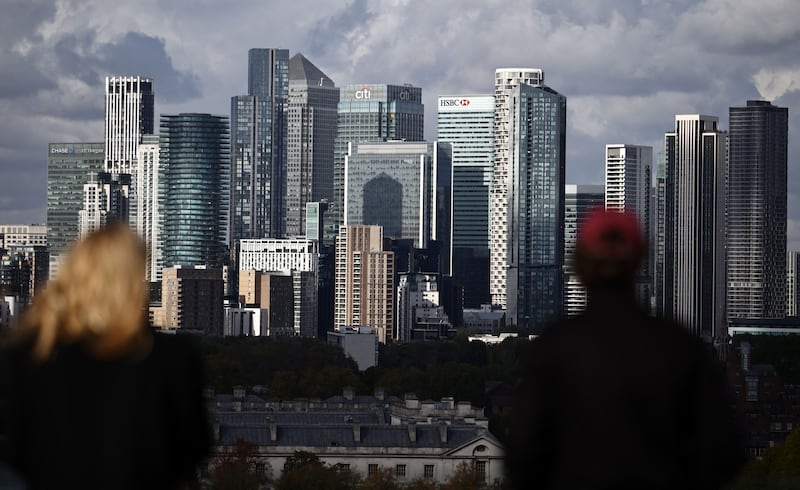
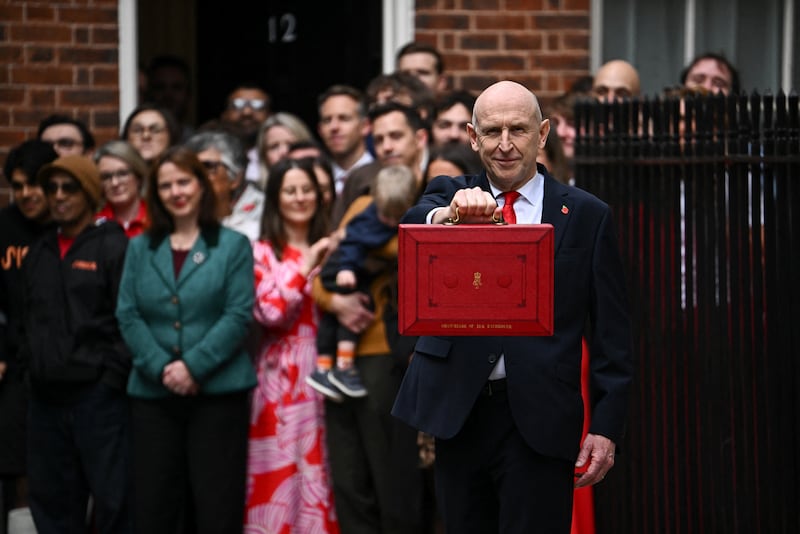
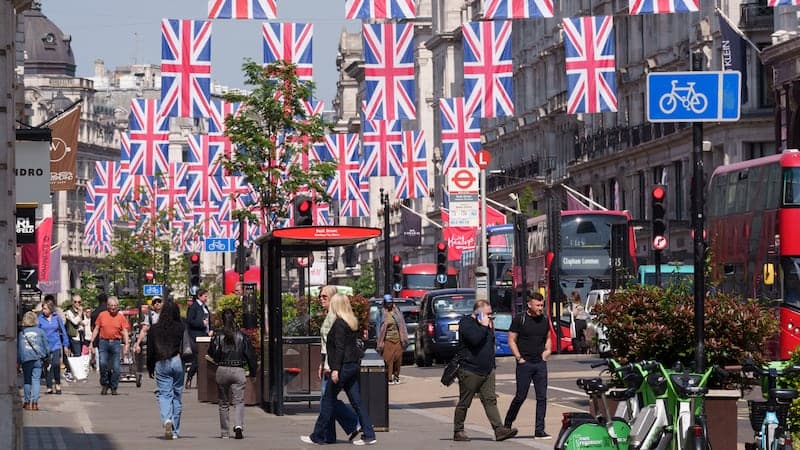
The budget of Chancellor John Healey, presented a few days after the International Monetary Fund praised UK fiscal discipline, also introduced a new measure: sovereign funds, previously exempt from tax on rental income from UK real estate, will be taxed at a rate of 15%. According to Treasury documents, this should bring in about £700 million by 2029–30. Affected assets include, in particular, properties on Regent Street and in the Canary Wharf district: Norway owns most of Regent Street, and the Qatar Investment Authority is a co-owner of Canary Wharf Group. A QIA representative declined to comment, and the Norwegian fund did not immediately respond to a request. The Office for Budget Responsibility called its revenue estimate 'highly uncertain' due to a lack of data and the possibility of investors restructuring their assets.
Warnings of capital flight
Experts interviewed by The National warn that the measures intensify the outflow of the wealthy that began after the tax reform for non-domiciled residents, in force since April 2025: these people contributed more than £9 billion a year to the UK economy, and since the 2024 budget thousands of millionaires have left for Monaco, the UAE and other countries. Those who have already left the UK include, in particular, Nassef Sawiris (Egypt's second-richest person), Swiss billionaire Guillaume Pousaz, as well as Britons — hedge fund founder Chris Rokos (moving to Greece) and Richard Desmond, who changed his residency to the UAE. Becky Fatemi of UK Sotheby's International Realty said that scrapping the sovereign fund exemptions 'risks deterring billions of pounds of investment', while Ian Tate of W1M noted that Britain is missing a chance to look like a 'beacon of stability'. At the same time, the budget retained some incentives: from 2028 a foreign tax credit will come into effect for those receiving income from US structures, and company founders are promised favourable terms when selling stakes from next year.