
The key facts
- The UK government scrapped the two-year deadline beyond which a death benefit pension payment was taxed; the change takes effect from 28 October
- The cause was delays in the Civil Service Pension scheme, which Capita took over from MyCSP in December 2025 with a backlog of more than 86,000 cases; by February it had grown to 120,000
- Those already taxed because of the delays have been advised to seek compensation through complaints and the Pensions Ombudsman
Tax deadline scrapped in the Budget
The UK's Budget announcement on Wednesday resolved an issue that left bereaved families at risk of an unexpected tax bill. Under the previous HMRC rules, a lump-sum pension death benefit remained tax-free only if it was paid within two years of the pension scheme becoming aware of the death (and if the amount did not exceed the Lump Sum and Death Benefit Allowance limit). The two-year deadline has now been removed: a payment will no longer become taxable simply because more than two years have passed. The change applies to payments from 28 October. The new measure was reported by BBC News; Pensions Minister Torsten Bell confirmed it in a letter to the chair of the parliamentary Public Accounts Committee , Sir Geoffrey Clifton-Brown, writing that it would 'make the position fairer for all grieving families and friends' when payments are delayed, while stressing that scrapping the deadline does not remove schemes' obligation to administer them without undue delay.
Context: the backlog in the civil service pension scheme
The issue concerns the Civil Service Pension scheme, which administers pensions for 1.7 million UK public sector workers. The outsourcing company Capita took over administration of the scheme from MyCSP in December 2025, saying it had inherited a backlog of more than 86,000 cases. Despite a two-year transition period, by February the backlog had grown to 120,000 cases, and pensioners and bereaved families waited months for payments. According to the latest figures as of 30 September, 1,643 open death or death-in-service cases were more than 100 days old. The Cabinet Office, which is responsible for the scheme, previously claimed that only a small proportion of these cases were approaching the two-year threshold, but the PCS union warned of 'serious questions' about case resolution timescales.
Rob Wassell's case and the reaction
Rob Wassell, 58, waited more than two years for a payment from his late brother's pension and received it on Tuesday — after the BBC covered his case. Because the payment arrived after the two-year deadline, it was taxed at 45%, amounting to thousands of pounds; had it been made after the rule change, no tax would have applied. Wassell welcomed the change but called the wait for a tax refund while his complaint is being considered 'a bitter pill'. Reactions were mixed: Sir Geoffrey Clifton-Brown welcomed the announcement but noted that it does not 'let Capita off the hook for processing and paying in a timely manner' scheme members. PCS general secretary Fran Heathcote said the situation 'should never have arisen at all' and that the scheme should be brought back under in-house management. Capita has previously apologised for the delays and says it is working to close cases, focusing in particular on those who have waited the longest and those in difficult financial circumstances. Those who have already been taxed because of unjustified delays were advised by the minister to seek compensation through the scheme's complaints procedure and the Pensions Ombudsman.
 Image source, Getty Images
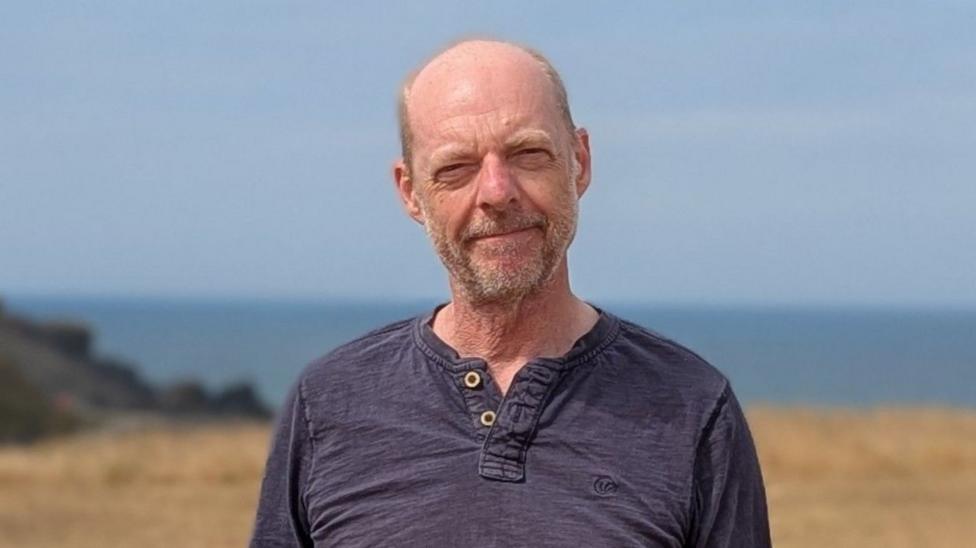 Image source, Rob Wassell
Rob Wassell was taxed on the payment from his brother's civil service pension