The key facts
- Lord Leveson said the agent X case was 'the most serious of all' he had encountered as commissioner
- Lord Leveson said the Agent X case was 'the most serious of all' he had encountered as commissioner
- IPCO found that one senior MI5 officer lied repeatedly, while another misled colleagues
- MI5 accepted the report's findings 'without reservation' in September; the High Court will soon decide what measures to take against the service
- MI5 accepted the report's findings 'without reservation' in September; the High Court will soon decide what measures to take against the agency
The commissioner called the agent X case the most serious of his tenure
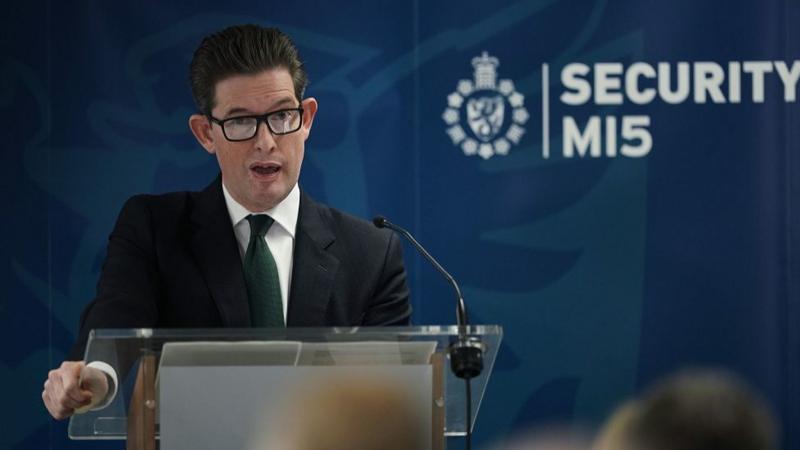
Lord Brian Leveson, who heads oversight of Britain's intelligence services, said that MI5's lies to several courts at once while protecting a neo-Nazi agent were BBC News in a publication timed to the release of IPCO's annual report.
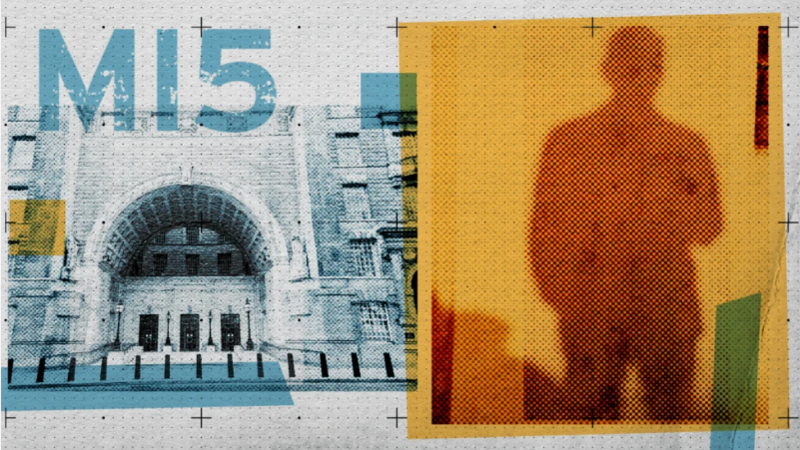
The essence of the agent X case
The IPCO investigation concerned how MI5 gave false testimony to three courts about compliance with the 'neither confirm nor deny' (NCND) policy regarding the status of an informant known as agent X. According to the BBC, this man coercively controlled his partner, known by the pseudonym Beth, and attacked her with a machete; afterwards MI5 helped him leave the country to continue intelligence work while he was under police investigation.
How the lies came to light
In 2022 the government unsuccessfully tried through the courts to block the BBC's investigation into agent X, but secured his legal anonymity. Beth filed a claim against MI5 at the Investigatory Powers Tribunal, and in 2024 obtained a review of the decision in the High Court. MI5 maintained that it had complied with NCND, and the courts allowed information to be withheld from Beth, placing her at a serious disadvantage. In fact, as the BBC reports, the service had already in 2020 revealed the agent's status in phone calls with a correspondent, trying to dissuade him from investigating: a senior officer described the man as neither an abuser nor a true extremist and even offered to arrange a meeting between the journalist and him. According to IPCO's findings, this officer lied repeatedly; after the BBC publications he left MI5.
Findings of the investigation and next steps
The IPCO report, published earlier this year, established that one senior MI5 officer lied repeatedly, while another misled his own colleagues and lied about what he knew; the service's conduct in the case overall revealed 'serious and systemic failures'. In September MI5 stated that it accepts the report's findings 'without reservation'. The High Court will soon decide what measures, if any, to apply to the service or its staff. The Prime Minister tasked the commissioner with establishing how the lies occurred; Leveson confirmed that both IPCO and the courts were misled.
Other findings of the annual report
IPCO's annual report recorded a rise in MI5 errors relating to agents: from four in 2017 to 21 in 2025, whereas MI6's errors over the same period fell from 10 to three. The National Crime Agency (NCA) was criticised over its handling of a juvenile informant: the agency failed to notify Leveson of the child's recruitment within the required deadline, a senior officer unlawfully extended the authorisation, and the child 'was given tasks involving the commission of crimes' without valid legal authorisation. Leveson described the NCA's conduct as 'far below what the law requires' and wrote to its director. A separate criticism concerns GCHQ: the agency, according to the commissioner, 'still cannot say what happened to removable media that may contain sensitive data', although he raised the issue years ago. According to GCHQ's estimate, this concerns 'thousands' of memory cards, hard drives and other media that it can neither locate nor account for, even though such media are an important part of a number of the agency's working processes.
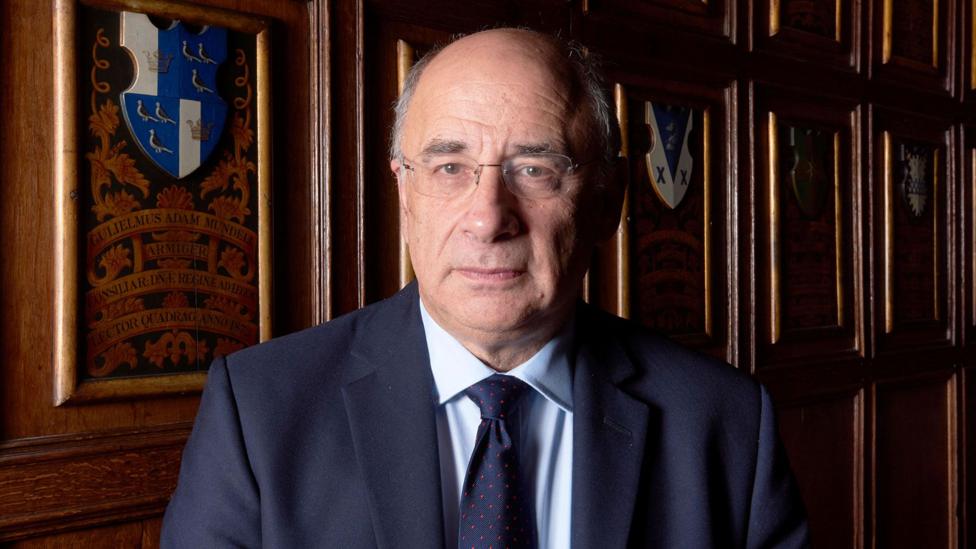 Image source, Alamy
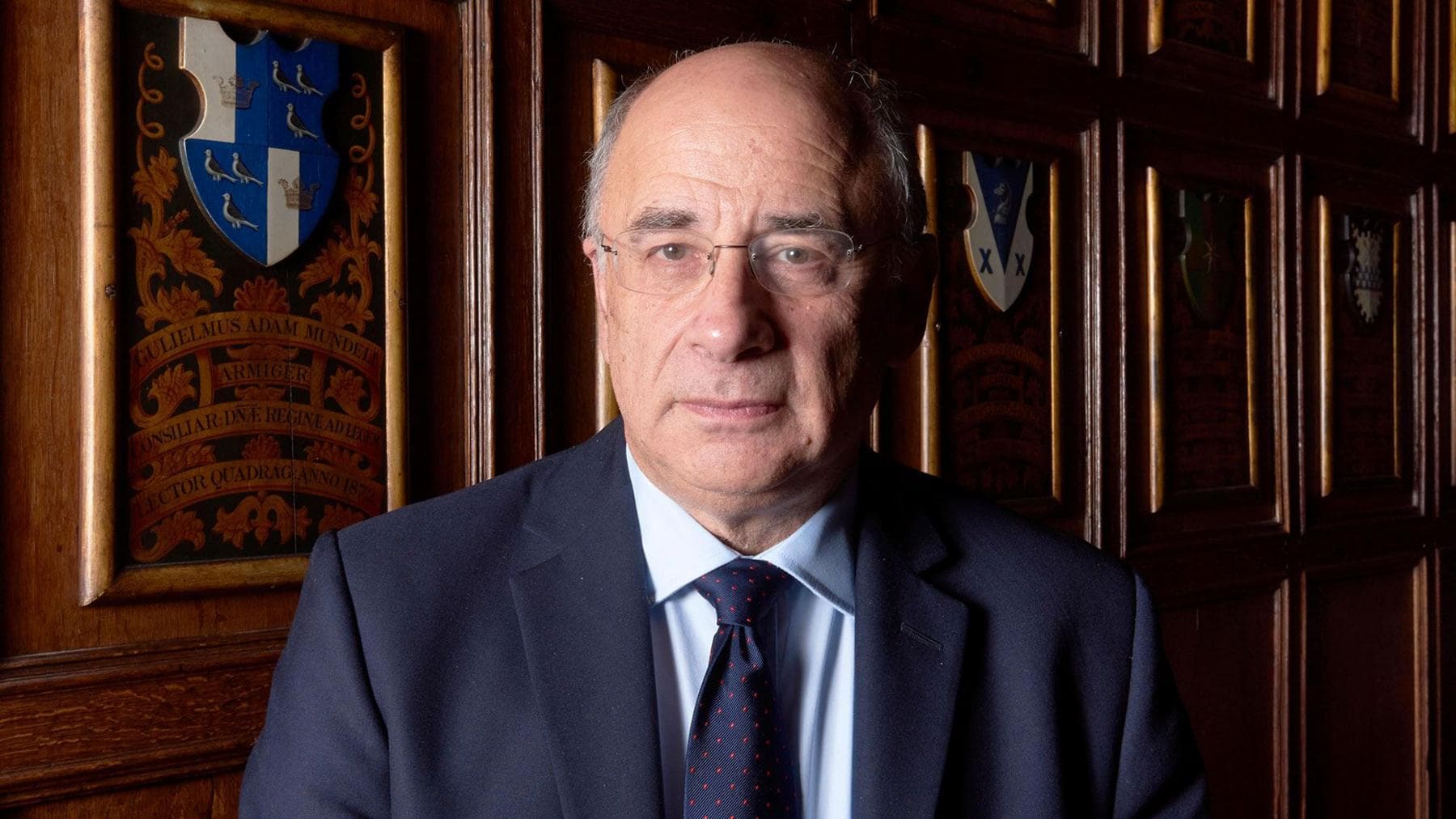
Sir Brian Leveson is the Investigatory Powers Commissioner, responsible for overseeing MI5's activities