The key facts
- More than 43 million ballots cast early a week before the November 3 elections
- Texas has exceeded its 2022 level by roughly 1.75 million voters
- Among voters with registered party affiliation, Democrats account for 44% and Republicans 31.2%
Record turnout in early voting
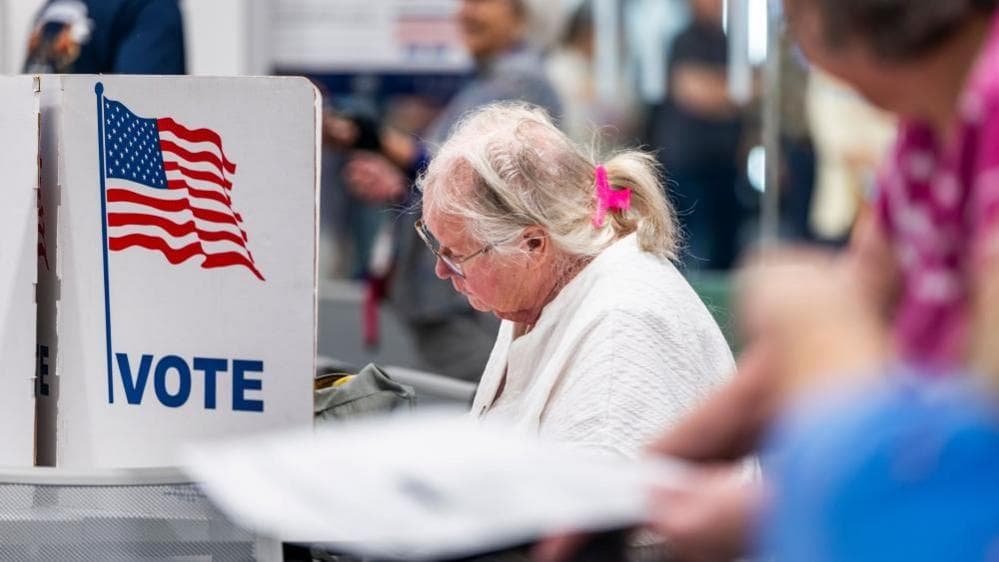
Less than a week before the US midterm elections, which will determine which party controls Congress for the next two years, more than 43 million Americans have already cast their votes. According to the University of Florida Election Lab, cited by BBC News, between four and five million early votes are being cast every day — a pace noticeably higher than in most previous elections. Overall turnout, according to the database director Michael McDonald, is heading toward the level of 2020 or even 2018, which broke the midterm turnout record that had stood since 1914.
Texas — a key state
Texas shows the largest increase in turnout: the state has already surpassed its 2022 figures by roughly 1.75 million voters, with more than 5.8 million ballots cast in total. Texas has become one of the key states that may determine which party gains control of the Senate for the remainder of Donald Trump's presidency. Although Texas does not require voters to indicate party affiliation or race, the data show a surge in voting in counties bordering Mexico, where more than 90% of the population is Hispanic. 'When I look at these counties, I see that some of them will exceed 2022 turnout on early voting alone,' McDonald noted.
Partisan and demographic shifts
In states where party affiliation must be indicated at registration (about half of all states), 44% of early ballots were cast by Democrats, 31.2% by Republicans, and another 24.7% by voters with no party affiliation. The data indicate an increase in the number of Democrats voting, while Republican figures are broadly comparable to 2022. Turnout has also grown among unaffiliated voters, but the data do not show whom they voted for. In the three states where race is indicated at registration — North Carolina, Georgia and Florida — voting among Hispanic and Black communities has increased, while white voting has remained at 2022 levels. McDonald attributes this to the fact that communities of color more often belong to the Democratic coalition, while whites more often belong to the Republican one.
How the habit of voting early is changing
The boom in early voting in recent years is linked to the Covid pandemic, when more states began offering in-person and mail-in voting. In the 2020 election, more than two-thirds of all ballots were cast early, half of them by mail. According to McDonald's observation, voters increasingly prefer to vote in person even when voting early, and they return their ballots earlier than in previous campaigns. He suggests this may be connected to concerns about mail-in voting — such ballots are more often rejected due to errors, and some voters may worry about interference with the US Postal Service — but there is no data on the reasons. Early voting will taper off as states close this option ahead of the elections on Tuesday, November 3.
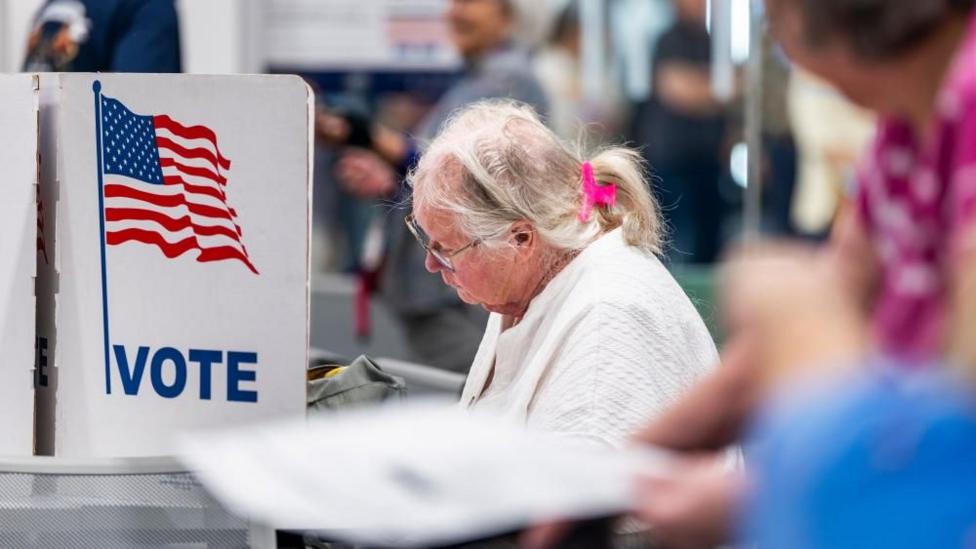 Image source, EPA