The key facts
- At least 68 dead and dozens injured in a train collision between Mora and Orgaz, about 140 km south of Madrid
- According to leaked RTVE audio recordings, Adif dispatchers told the driver to switch off the faulty LZB system and travel at up to 200 km/h
- This is the second fatal disaster on the Madrid — Seville line in nine months: in January, 46 people died near Córdoba
The deadliest disaster on the Madrid — Seville high-speed line
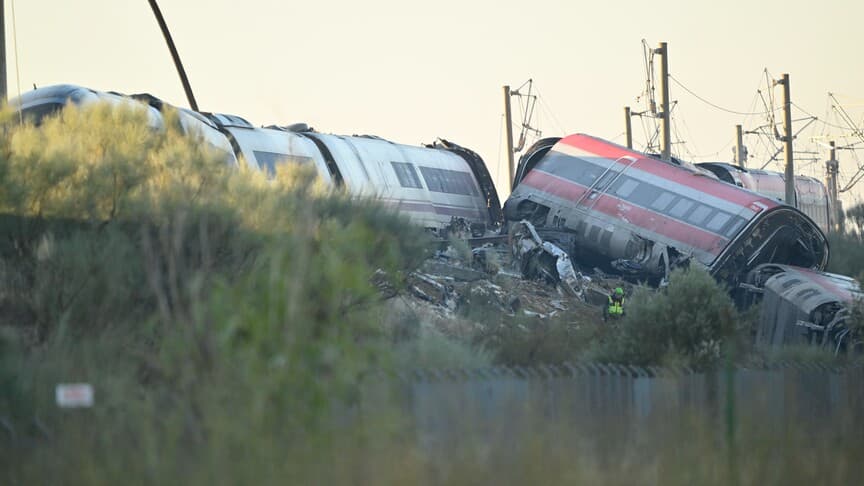
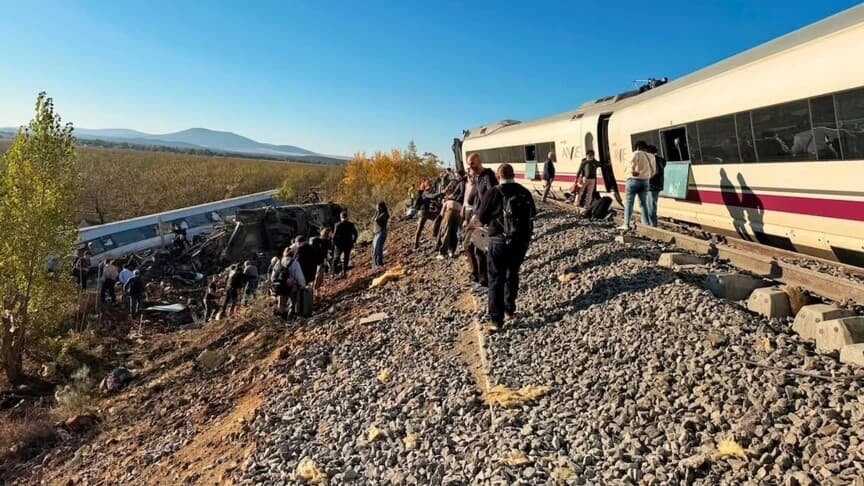
On Wednesday in central Spain, about 140 kilometres south of Madrid on the section between Mora and Orgaz, a train travelling from Madrid to Seville crashed into a stationary Iryo train. The impact derailed several carriages down an embankment. At least 68 people were killed and dozens were injured. The stationary Iryo train, which was carrying 147 passengers, had stopped due to a computer system failure. Survivors said they were thrown into the air, became trapped in the wreckage and smashed windows to escape. This was reported by Anadolu citing Spanish sources.
Conflicting accounts of the cause: human error or lack of authorisation
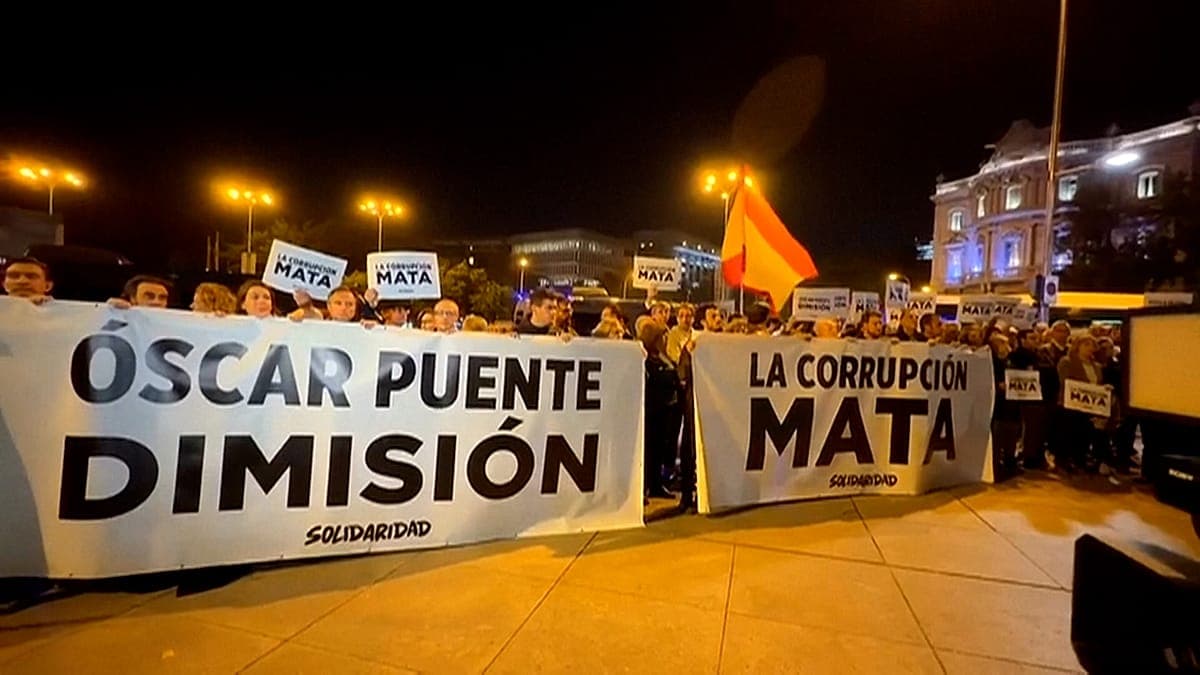
Transport Minister Óscar Puente named a system failure and human error in allowing a train onto an occupied track as possible factors in the disaster. However, RTVE, citing its own sources, disputes this interpretation: according to the broadcaster, the Iryo train had not received authorisation to proceed at the time of the collision. Thus, the official version and the journalists' data diverge on the key question — who exactly allowed the train to move onto the occupied track.
Leaked audio recordings and an outdated safety system
Audio recordings of the radio conversations published by RTVE point to the actions of dispatchers of the state infrastructure operator Adif. At 8:36 local time they ordered: 'Switch off and switch the LZB back on and continue under BSL protection at normal speed' — that is, to travel at up to 200 km/h with the faulty safety system switched off. A few minutes later, the Iryo driver reported loss of communication and a stop at the Urda entry signal. The disaster has exposed the vulnerability of the Madrid — Seville route, which opened in 1992: the line still uses the old LZB system instead of the modern European rail traffic management system ERTMS. This is already the second fatal accident on the line in nine months — in January, 46 people died near Córdoba.