The key facts
- From 2028, a single national digital transport platform, Bir yo’l, is planned for door-to-door trip planning
- In 2027–2029 — discounts of at least 20% on e-tickets on suburban trains and buses; from 2030 — abandonment of cash payments
- Targets for 2030: 2 billion passengers per year on domestic routes, 30% electric buses in major cities, 58 bus stations
Draft strategy put up for discussion
The Ministry of Transport has prepared a draft strategy for the comprehensive development of passenger transport through 2030 and posted it on the portal for discussion of regulatory legal acts (SOVAZ), Spot.uz reports. The discussion of the draft will last until November 11. The strategy aims to integrate rail, air and road transport, increase citizens' mobility and improve transport connectivity between regions.
A single platform and a new payment system
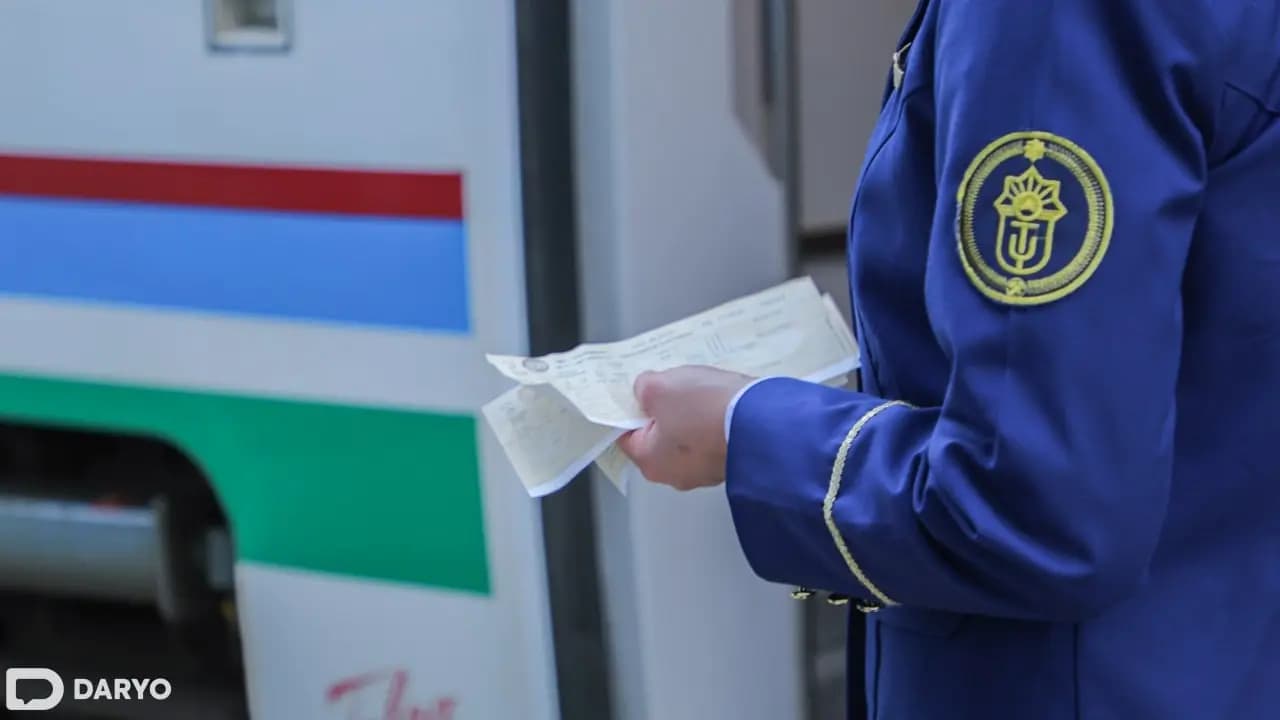
Key changes will affect the very process of buying tickets and paying for travel. Starting in 2028, the plan is to launch a single national digital transport platform, Bir yo’l (One Way): it should display data on routes, schedules, prices and available seats on trains, planes and buses, allow planning a journey door to door, and book an e-ticket and transfer in a single order. From January 1, 2027 to December 31, 2029, passengers on suburban trains, city and intercity buses are to be offered a discount of at least 20% when buying an electronic ticket. From January 1, 2030, cash payments on these routes are to be fully phased out in favor of cashless payments; by that date, the share of passengers using the unified e-ticket platform should reach 25%.
Infrastructure and targets
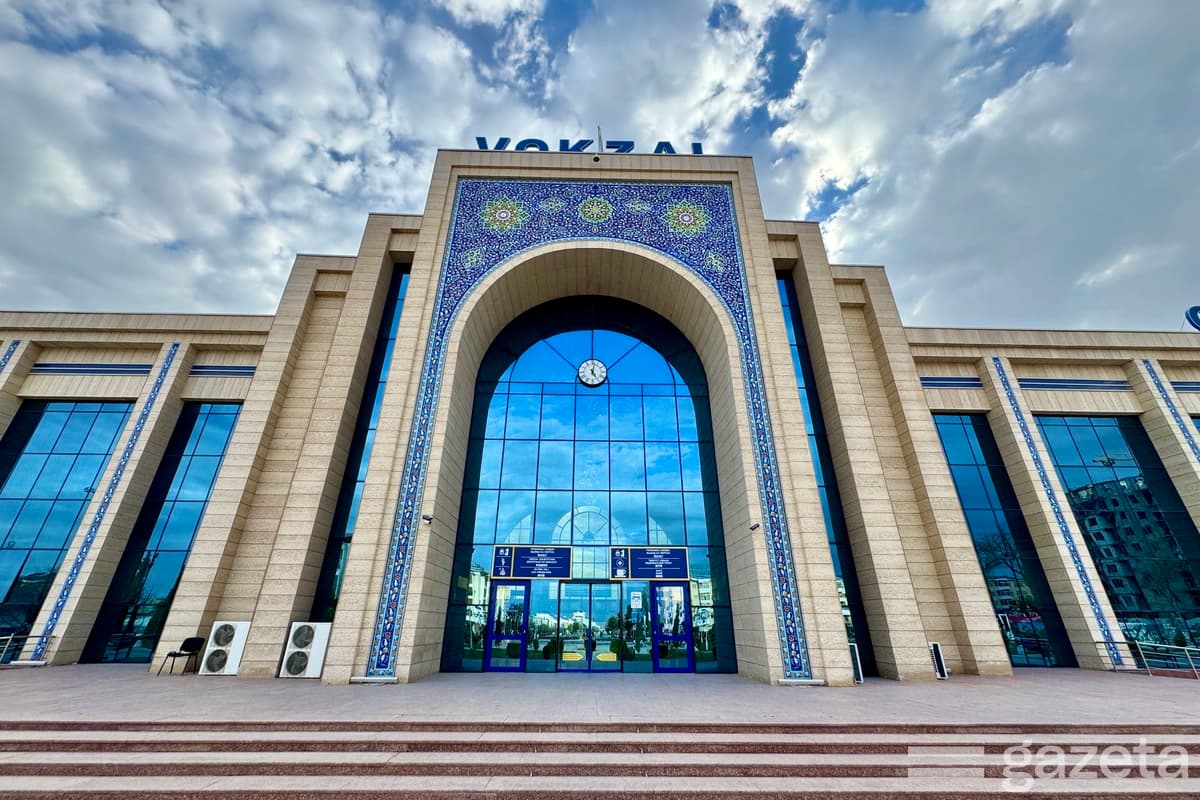
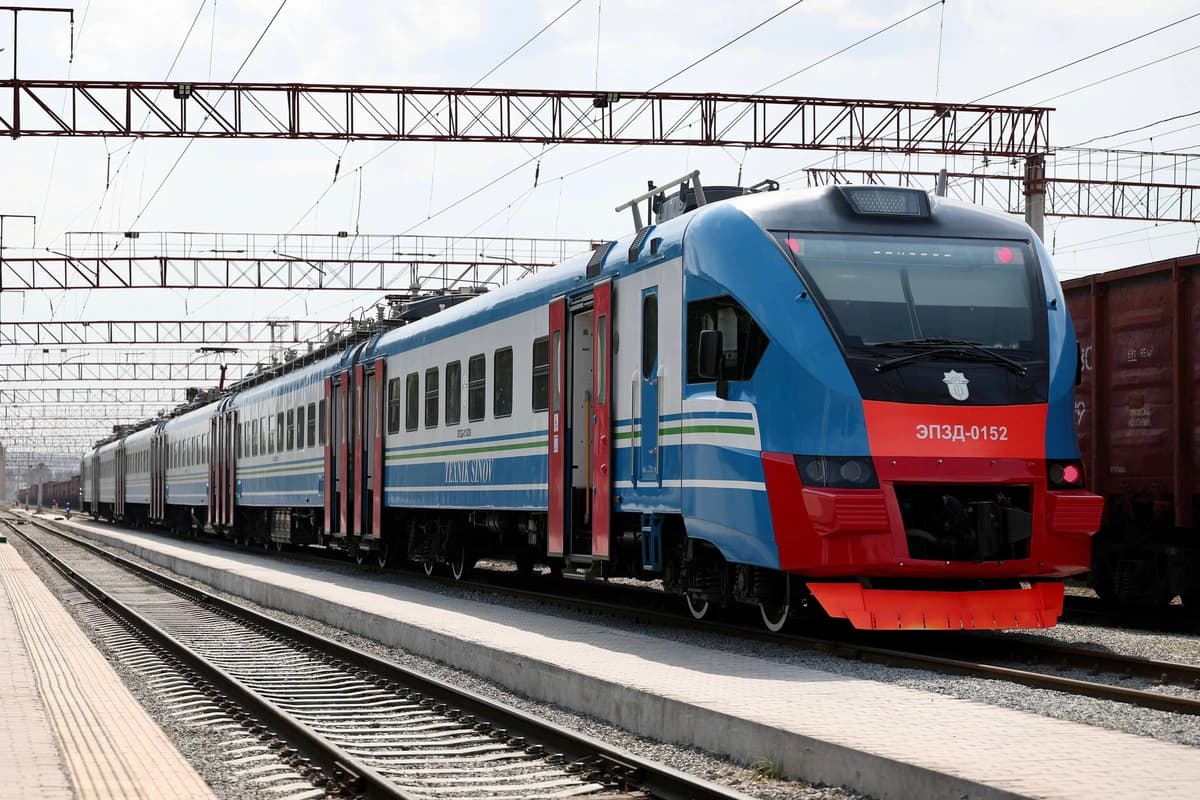
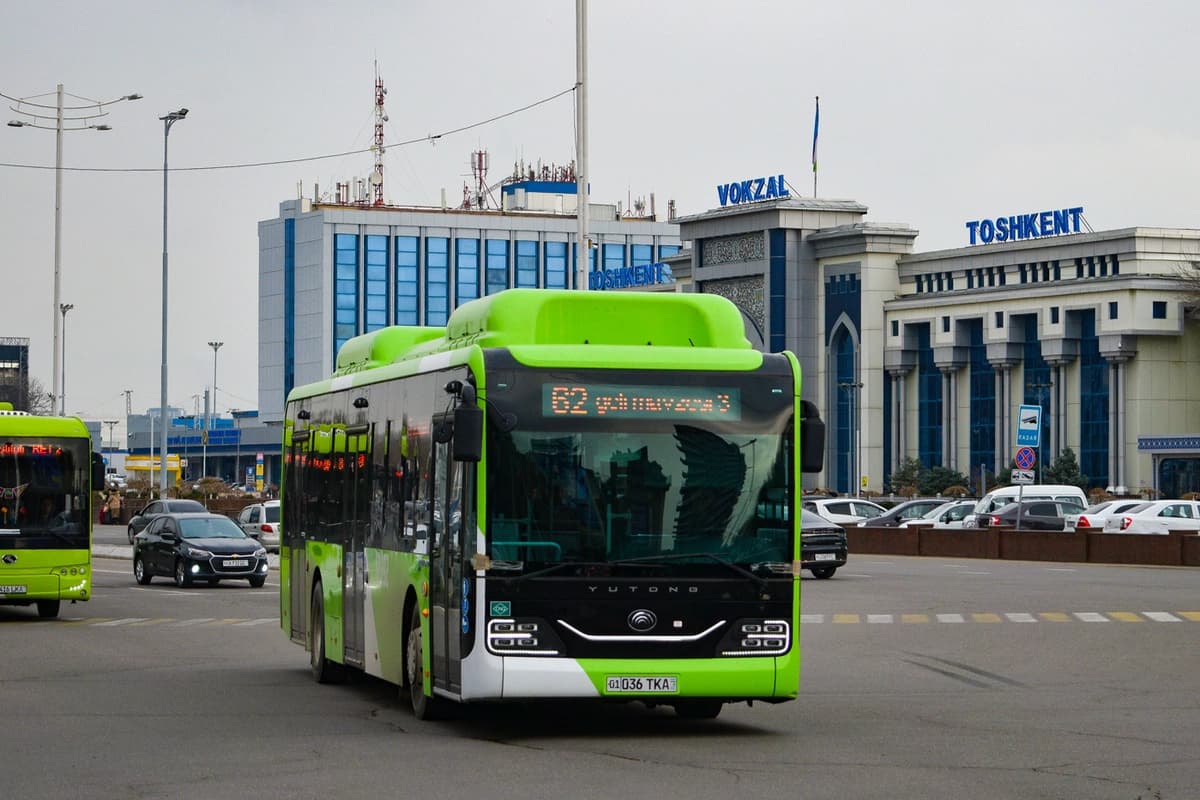
By 2030, the strategy aims to raise annual passenger traffic on domestic routes to 2 billion. It provides for the creation of 20 public transport routes connecting railway stations and airports with road transport infrastructure, the launch of three rail links between stations and airports, and the construction or reconstruction of 58 bus stations and terminals. Eight transport infrastructure facilities are to be transferred to business under a public-private partnership model. The share of electric buses in public transport in Tashkent, Nukus and regional centers should reach 30%; 30 electric trains are planned for suburban routes, and the fleet of passenger rail cars is to be increased to 650 units.
Context
Publishing the strategy for discussion is not yet a final decision: until November 11 the document is open for comments, and its final version may change. Earlier, Spot.uz reported on related transport projects: the start of practical work on the Tashkent — Andijan toll road from 2027 and the construction in Tashkent of two new BRT lanes stretching 2.7 km.