The key facts
- Guinea-Bissau police carried out an operation against a suspected human trafficking network on October 21, arresting more than five suspects
- Preliminary figures indicate about 70 victims, mostly foreigners from West African countries
- The rescued cannot return home: many lack money for the journey, and Guinea-Bissau's migration authority also has no funds
Police operation and the recruiters' scheme
On October 21, the police of Guinea-Bissau carried out an operation against a suspected human trafficking network, arresting, according to a written statement by the criminal police, more than five suspects. The operation was prompted by victims' complaints about abductions and fraud, Deutsche Welle reports. According to the police, the network operated through a front company, luring people with promises of jobs and help with moving to Europe. Preliminary figures indicate about 70 victims — mostly foreigners from Guinea, Mali, Côte d'Ivoire and Senegal. The suspects are said to have charged between 400,000 and 700,000 CFA francs (roughly 600–1,050 euros) for the trip to Bissau. The victims were held in the capital against their will, pressured and forced to take part in pyramid schemes, including recruiting new members via social media. Fake contact details of 'offices' in Canada, the US and Portugal were used to create an appearance of legitimacy. The police note that information from Interpol helped expose the network.
Victims' stories
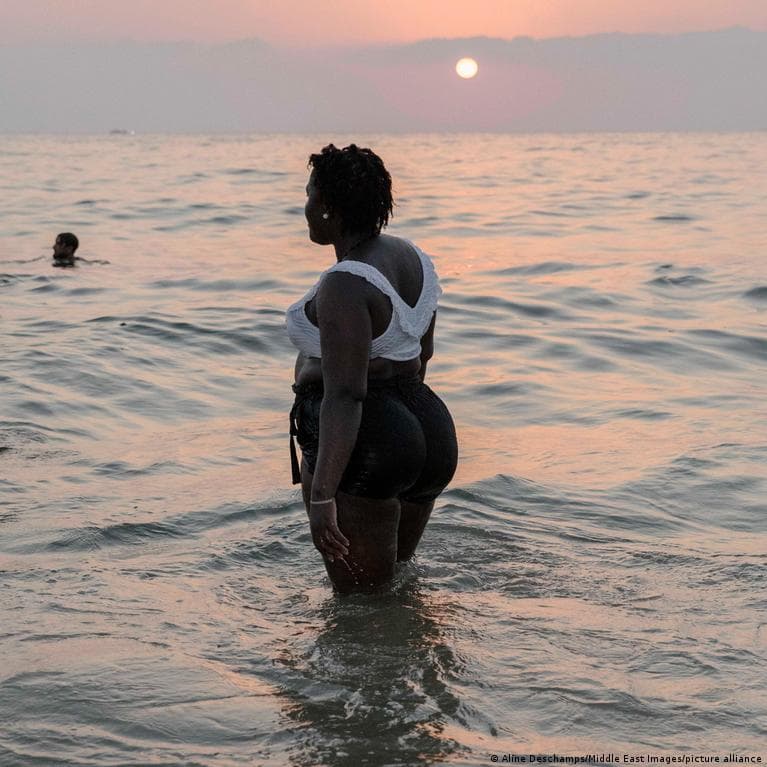
Sadio Konimba, a 26-year-old from Bamako who lost her husband and was left with a child, told DW that she paid between 100,000 and 125,000 CFA francs (about 150–190 euros) for the trip from Bamako to Bissau after promises of a job and a further route to Europe. When she wanted to return to Mali, her money was not refunded. According to her, men from Senegal offered to let her 'work off' the debt; realizing what kind of work was meant, she refused — and never got her money back. 21-year-old Jane from Sierra Leone told the France-Presse agency that the criminal network tried to rape her and force her into prostitution. 23-year-old Issa from Guinea said he paid a transporter 10 million Guinean francs (about 1,000 euros) and, after refusing to recruit new people, received death threats. The police confirm that women in such cases are often subjected to sexual exploitation.
Rescued, but unable to return home
A week after being freed, the victims faced a new problem: many have no money for the journey home — to Mali, Sierra Leone or other West African countries. Konimba managed to borrow about 75,000 CFA francs from acquaintances, but that is not enough for the trip to Bamako. According to available information, Guinea-Bissau's migration and border authority (DGMF) also lacks funds to finance the returns. Contacts have been established with the diplomatic missions of the countries concerned, but progress is slow and no concrete agreements on returns have yet been announced. Boubacar Touré, head of the Guinea-Bissau League of Human Rights, noted the absence of state shelters for such cases, the limited capacity of private facilities, and a shortage of psychological support and funding for temporary housing. He called on the government and international partners to support the judiciary, the police and other institutions.
A systemic problem
For Touré, this case is a warning signal: in his words, the phenomenon has reached 'extremely alarming proportions.' In May, the authorities had already rescued 60 foreign nationals in a similar operation. He links the problem of human trafficking to the weakness of Guinea-Bissau's institutions, which criminal networks exploit to continue their activities; women, in his view, are especially vulnerable. The country itself has suffered from political instability since 1975 and is known as a transit hub for cocaine heading to Europe — these characteristics are cited in the DW report as the context in which such networks develop.