The key facts
- Steinmeier, speaking at Peking University, said Europe does not seek decoupling from China and is looking for solutions through dialogue
- Chancellor Merz previously said Europe does not want a trade war but is ready to defend its industry against unfair practices
- According to von der Leyen, the EU's trade deficit with China reached €1 billion per day in 2025
Statement in Beijing
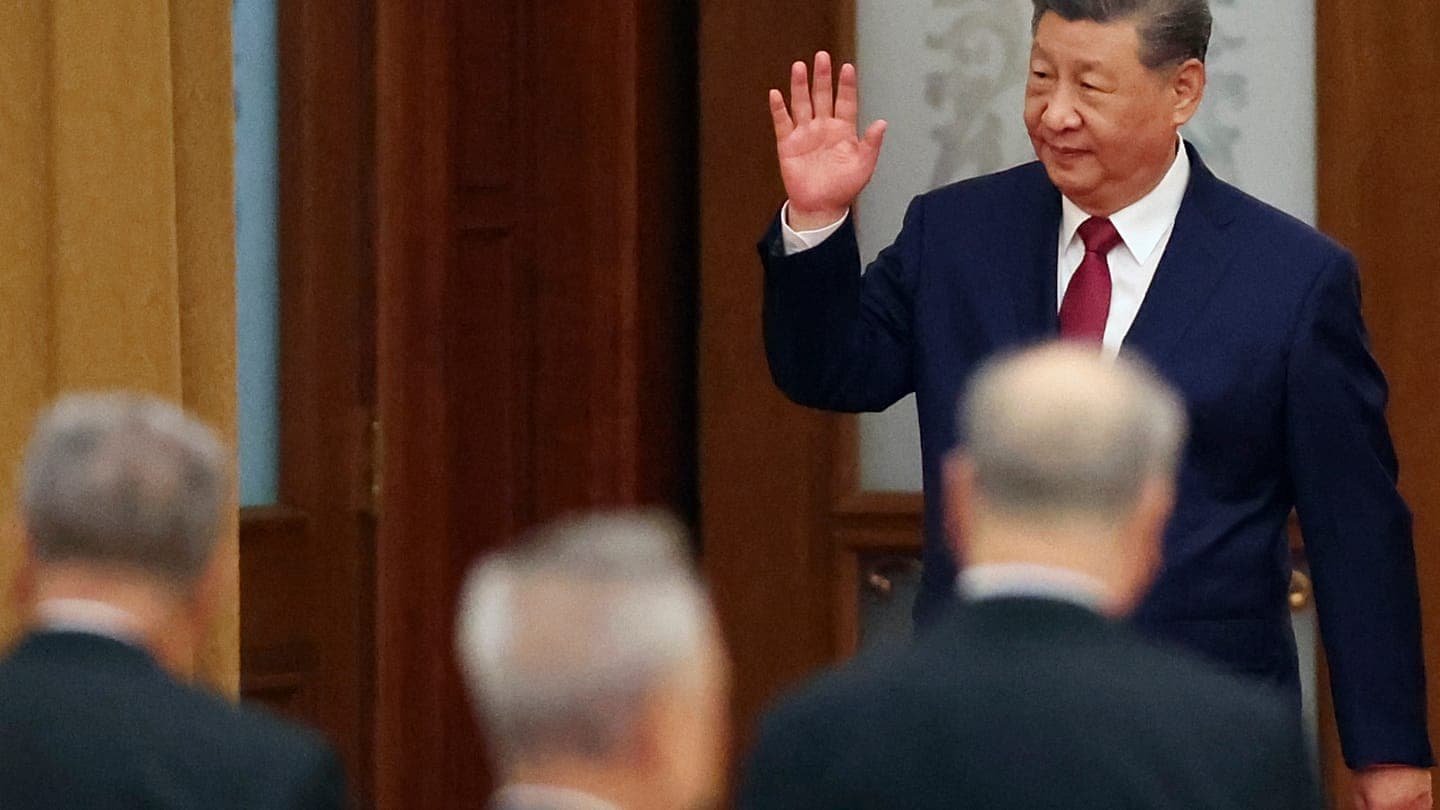
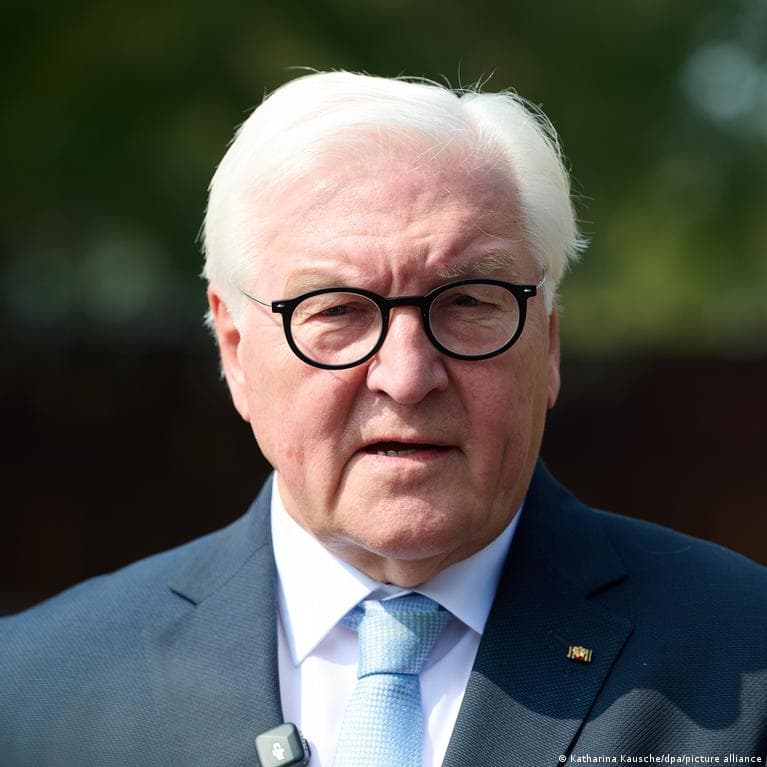
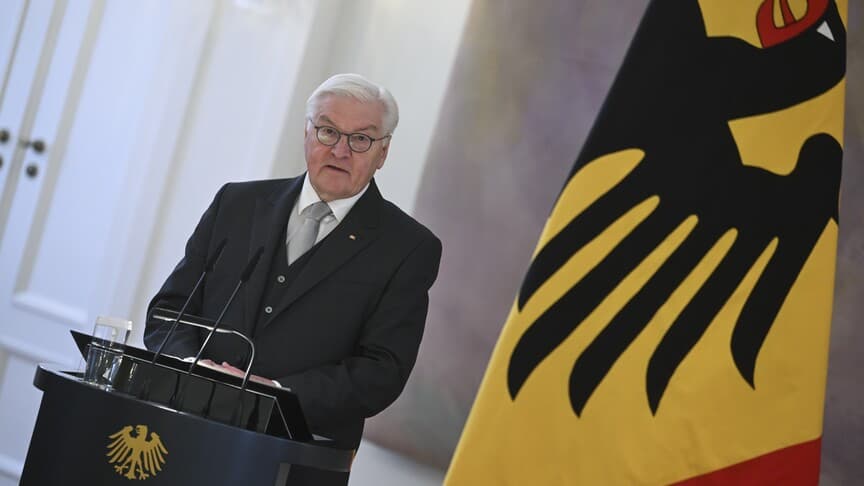
German President Frank-Walter Steinmeier said during a visit to Beijing on Thursday, October 29, that Germany does not seek a 'decoupling' from China and intends to resolve trade disputes through negotiations, Anadolu reports. Speaking before an audience at Peking University, he emphasized: 'Our goal as Europeans is clear. We do not want decoupling from China.'
Dialogue instead of confrontation
According to Steinmeier, the goal is for trade to continue benefiting both sides: a partnership endures only when both parties gain something from it. That is why, he said, Europe is seeking solutions through dialogue for sectors where serious imbalances have emerged. Competition between German and Chinese companies is useful, but only 'under fair rules and equal conditions,' the president added.
Warning against a divided world
Steinmeier also stated that Germans do not want the world to split into blocs and a new confrontation to arise between them: such divisions, in his words, could undermine international security and lead to economic losses. He acknowledged that China's desire to protect its economy from external shocks is understandable, but stressed that greater Chinese autonomy must not mean that other countries become increasingly dependent on it and vulnerable.
Context: a tougher line from Berlin and Brussels
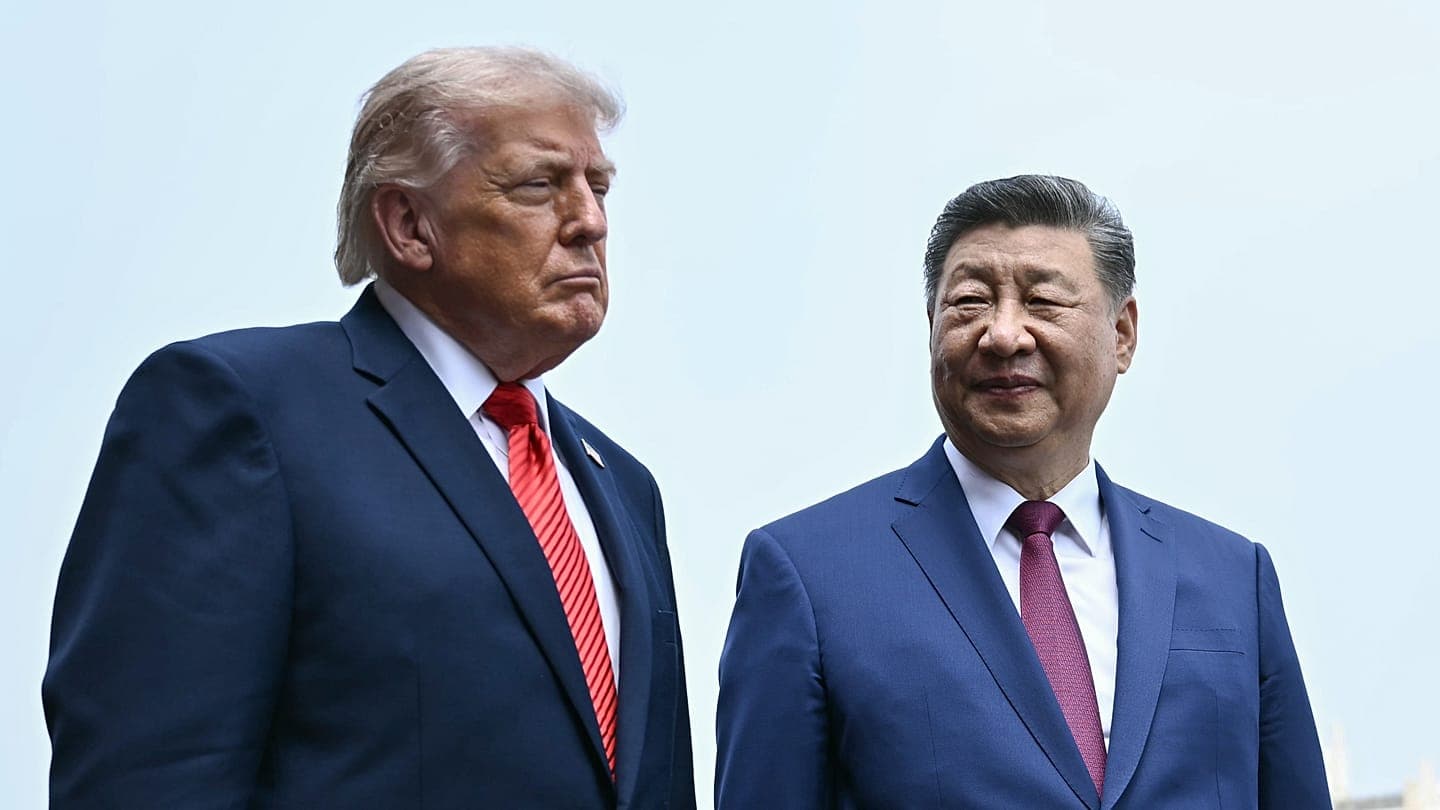
The president's statement came against the backdrop of harsher rhetoric from the leadership of Germany and the EU. The day before, on Wednesday, Chancellor Friedrich Merz said that Europe does not seek a trade war with China but is determined to protect its industry from unfair practices. European Commission President Ursula von der Leyen previously noted that the EU's trade deficit with China reached €1 billion ($1.12 billion) per day in 2025.
Pressure on the German auto industry
The Anadolu report also cites data on the state of the German automotive industry: since 2021, the market share of the three largest German automakers has declined both in Europe and in China, and the value added they generate in Europe fell by 30–45% in the first half of this year compared with 2021–2022. These figures explain why the theme of 'fair rules' in trade with China has become central in statements by the German leadership: the combination of Steinmeier's soft rhetoric on dialogue and Merz's hard line reflects a search for balance between openness and protecting industry.