The key facts
- Dozens of concerts cancelled or boycotted over political disputes between Côte d'Ivoire and the military regimes of Mali, Burkina Faso and Niger
- Alpha Blondy called for an end to coups at a concert in Abidjan in late October; his remarks spread across social media
- The starting point of the conflict was the detention of 49 Ivorian soldiers in Mali in 2022 for six months
Song instead of diplomacy
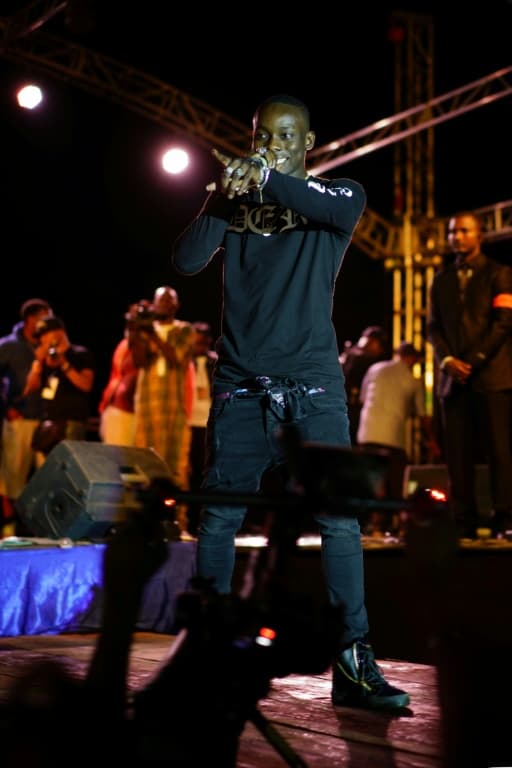
At a concert in Abidjan in late October, the Ivorian reggae artist Alpha Blondy unexpectedly turned to politics: 'To my brothers from the Sahel... no more coups. Enough!' In his words, the overthrow of democratic governments in West Africa 'destabilizes the region,' and 'Africa has no time for wasting time.' His remarks quickly spread across social media — as AFP notes, a sign that Côte d'Ivoire's poor relations with the military governments of Burkina Faso, Mali and Niger have spilled over into popular culture.
Artists caught in the crossfire
In the tense atmosphere, musicians and promoters have been drawn into scandals that led to dozens of cancelled concerts or calls for boycotts. Burkinabè singer Issouf Manem-Yam was forced to apologize for past remarks perceived as insulting to Ivorians after his concert in Abidjan, scheduled for mid-October, was cancelled. 'He is an artist; he should not take sides, even if his words were spoken out of patriotism,' a figure from Burkina Faso's cultural scene told AFP.
Where it began
AFP traces the starting point to at least 2022, when Mali detained 49 Ivorian soldiers for six months. At the time, calls appeared on social media to 'target' artists from the other country: a concert by Malian singer Mariam Ba in Abidjan was cancelled, and a few weeks later so was a performance by Ivorian rapper Didi B in Bamako. Since then, mutual cancellations have become more frequent. According to an official at Mali's ministry of culture, the department documented about a dozen cases involving Malian artists, and the issue was discussed during a visit by the head of Côte d'Ivoire's security service in mid-October.
Every word under scrutiny
Artists' political statements are dissected on both sides. Malian performer Sidiki Diabaté is criticized at home for supporting Alassane Ouattara in the 2025 presidential campaign, while Ivorian singer Aïcha Koné draws irritation in Abidjan for backing the Sahel juntas. Reggae musician Tiken Jah Fakoly, after criticizing restrictions on freedom of speech in neighboring countries, responded in 2024 that the Sahel states 'thought I would be their minstrel.' A few months later the story took a strange turn: his beloved fallow deer 'Rasta Bambi,' raised on his farm in Mali, went missing, and junta supporters online used the disappearance to mock him.
Cultural ties hold firm
Despite the tension, artists continue to cross the border to perform: cultural ties, as AFP notes, prove stronger than diplomatic ones. The president of a cultural association in Abidjan insists that 'artists are truly above politics,' while the figure from the cultural scene blames, rather than the conflict with Côte d'Ivoire, the political situation in the Sahel countries themselves — gripped by a long, bloody jihadist insurgency — for the 'reduced mobility of artists.' Ivorian musician Serge Beynaud continued performing in junta-ruled countries — in late September he played near Ouagadougou, where the only incident was that one of his dancers was struck with whips by guards maintaining order.