The key facts
- Ten people were detained in August and September, eight of them teenagers aged 14–17
- In total, since July 2025, according to the FSB, 56 users of 'Dyvinchik' aged 12 to 24 have been detained
- The FSB warned against sharing personal data in online dating
New detentions
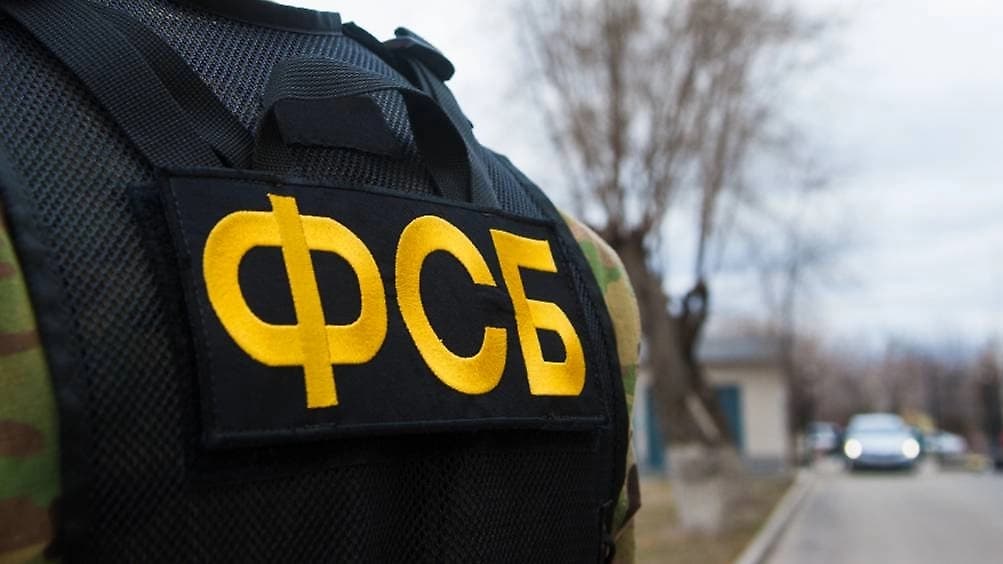
Ukrainian intelligence services continue to use the Telegram dating bot 'Dyvinchik'* to involve Russians in sabotage and terrorist attacks: in August and September, law enforcement detained ten more people, eight of them minors. This was reported by the Public Relations Center of the FSB of Russia (based on a Life.ru publication). The detentions took place in Moscow, St. Petersburg, and the Leningrad, Nizhny Novgorod, Omsk, Ryazan, and Sverdlovsk regions. Among those detained are eight teenagers aged 14 to 17 and two adults aged 19 and 24.
What the detainees are accused of
According to the FSB, the suspects, on assignments from Ukrainian intelligence services, prepared or carried out arson attacks on law enforcement vehicles, gas stations, energy facilities, and transport infrastructure. Some also acted as couriers, delivering money received from deceived citizens to cryptocurrency exchange points. In total, since July 2025, according to the agency, 56 users of 'Dyvinchik' aged 12 to 24 have been detained in various Russian regions; the FSB states that young people were recruited into unlawful activities through deception and psychological pressure.
The described scheme and warning
The scheme described by the agency looks like this: the perpetrators first strike up a conversation posing as potential romantic partners, then use the personal information obtained for blackmail, after which the person is contacted by individuals posing as Russian intelligence officers who, under threat of criminal prosecution, demand that they carry out criminal tasks. The FSB Public Relations Center warned that in online dating, including via the 'Dyvinchik' chatbot, it is unacceptable to share one's personal data or that of relatives with an interlocutor, pay for services using bank details, follow links sent to you, provide geolocation, or send photos or videos of buildings, structures, vehicles, equipment, or people. Citizens, especially teenagers, were urged not to trust strangers on the internet.
A similar case was previously reported
Earlier, Life.ru reported on the recruitment of an underage student at a Moscow Region technical college via 'Dyvinchik'. According to the Investigative Committee, unknown individuals persuaded the young man to set fire to a relay cabinet on the Moscow Railway; the suspect was detained a few hours after the incident, and investigators opened a separate case on aiding terrorist activity. The new FSB report shows that this is no longer about isolated incidents: the agency cites a cumulative figure of detentions over several months and lists seven regions where they took place.
Data limitations
The information provided consists of statements by the FSB and the Investigative Committee relayed through the media; the publication contains no independent confirmation of the number of detentions or the described scheme. The fate of the detainees and the charges against them are not specified in the report.