The key facts
- Annual deaths from wildfire smoke rose from 1,050 (2003–2012) to about 4,000 (period up to 2025)
- A 275% increase over two decades, according to the report in The Lancet
- Smoke poses particular danger to young athletes on hot days
Death rate has grown almost fourfold
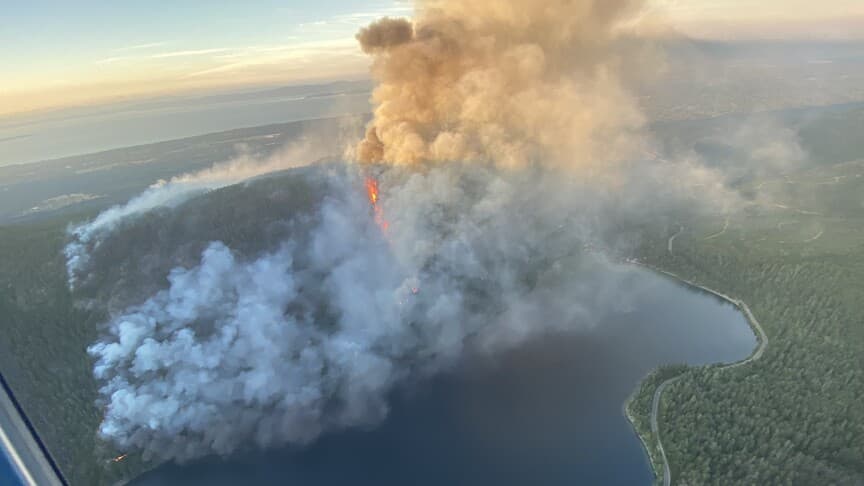
Wildfire smoke has become a significantly deadlier factor for Canada: according to a new report, as reported by the news agency Anadolu, annual deaths from its effects have risen by 275% over the past two decades. The report, published on Tuesday in the international medical journal The Lancet, estimates about 4,000 deaths annually over the four-year period up to 2025. For comparison, in 2003–2012 roughly 1,050 people died each year from wildfire smoke.
Why smoke is more dangerous than it seems
Report co-author Ian Hamilton of the Institute of Global Health at Imperial College London explained in a comment to CBC News that for an individual, smoke is not always obvious as a cause of death, but on average across the population more deaths are recorded during periods of smoke exposure. The authors pay particular attention to the combination of heat and physical exertion: vigorous exercise on a hot day accelerates the risks associated with smoke. According to Dr. Courtney Howard, chair of the Global Climate and Health Alliance, young people, especially athletes, are 'almost too strong' and keep training through heat and heat exhaustion, which, she noted, can lead to a fatal outcome.
The link to climate change
The report's authors link the rise in deaths to the increasing frequency of wildfires in Canada against the backdrop of climate change. According to the study, 80% of hot days are explained by the impact of fossil fuels on the climate. Howard warned that the situation will worsen year after year unless greenhouse gas emissions are reduced. It should be noted that the figures cited are the report authors' estimates as relayed by the news agency; the text of the publication in The Lancet itself is not presented in the source.