The key facts
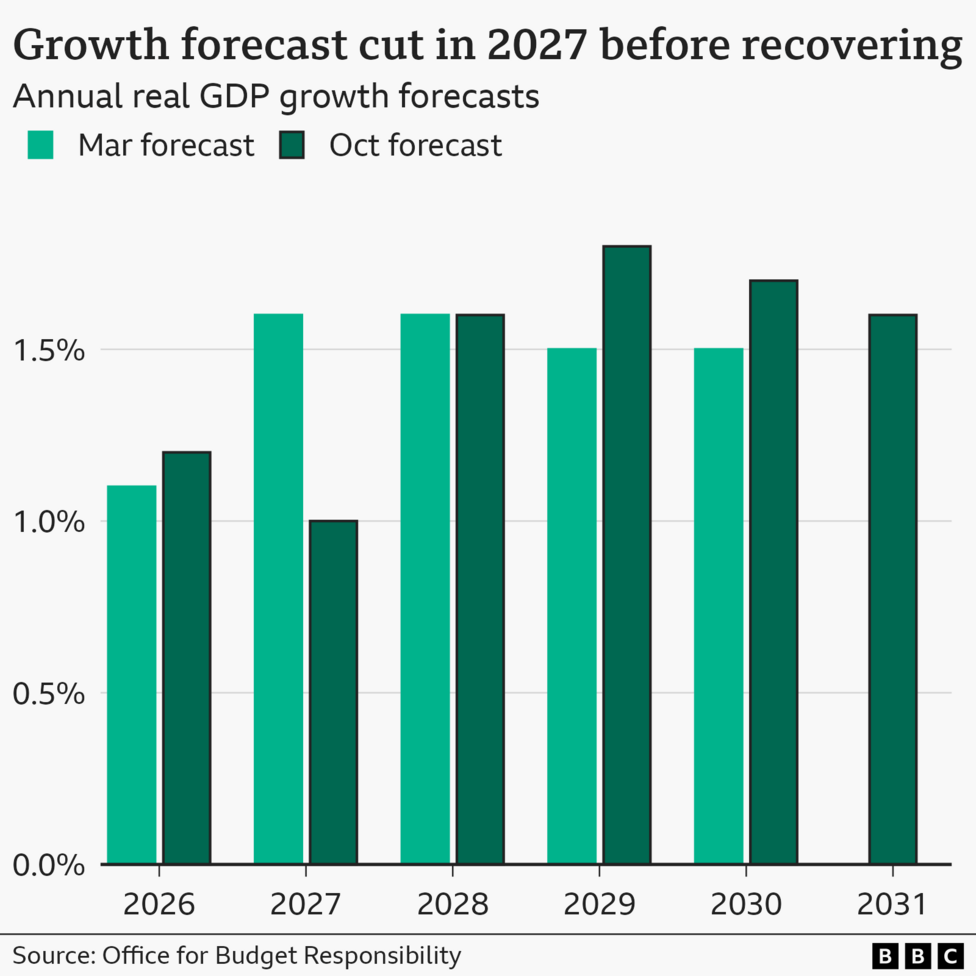
- The OBR cut its UK growth forecast for next year from 1.6% to 1%
- Under the new forecast, inflation will peak at 3.8% in 2027 and stay higher for longer than previously expected
- The Bank of England is expected to raise rates from the current 3.75% to 4.5% in the coming years instead of the previously forecast cuts
Revised forecasts after the start of the conflict
The UK's Office for Budget Responsibility (OBR) has published its first assessment of the state of the economy since the conflict between the US and Iran began. Although the country is not taking part in the war, according to BBC News it is feeling its consequences through the economy: the main risk in the near term is rising energy prices. The OBR raised its growth forecast for the current year, but sharply cut it for the next one — from 1.6% to 1% — after which growth is expected to recover in subsequent years.
Inflation, interest rates and living standards
Under the new forecast, inflation will stay higher for longer than previously assumed, peaking at 3.8% in 2027 and averaging 3.4% next year, returning to the Bank of England's 2% target only by the end of the decade. High oil prices have already shown up at the pumps: petrol costs on average almost £1.73 a litre and diesel about £1.99. The Bank of England is expected to raise interest rates from the current 3.75% next week, and the OBR now forecasts the rate rising to 4.5% in the coming years — previously two cuts this year had been assumed. Living standards are forecast to fall next year, with low-income households hit hardest, as energy costs take up a larger share of their budgets. OBR member David Miles described the picture as 'fairly bleak', noting that since the start of the Covid pandemic there has been 'virtually no growth' in people's incomes.
Government response and caveats
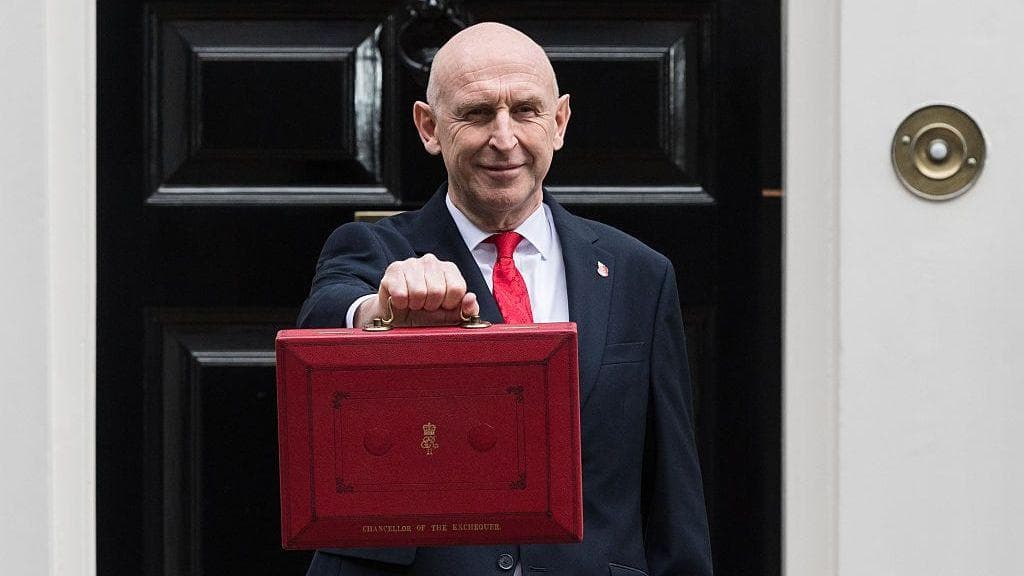
Chancellor John Healey, announcing measures that he said would give households 'breathing space' in the coming months, said: 'What we are facing today are global economic storms. We cannot wish them away. We must choose a course to steer through them.' Economists at Pantheon Macroeconomics, however, called the support package 'too modest given the expected surge in inflation this winter'. Rising inflation also increases the government's debt servicing costs and pushes up borrowing, which the OBR forecasts will rise each year faster than previously expected, although its share of the economy will fall over five years. The watchdog itself acknowledged 'significant uncertainty' in the forecasts due to the changing situation in the Middle East: US President Donald Trump suggested the war would end after the mid-term elections next month, and the course of the conflict could change inflation expectations.
 Image source, Getty Images