The key facts
- The Franco-German fighter project collapsed in June due to design disputes between Dassault Aviation and Airbus
- Airbus calls joining GCAP one of the 'potential' options, but not the only one
- GCAP has already received more than $5.5 billion from the three countries, with delivery planned by 2035
What happened
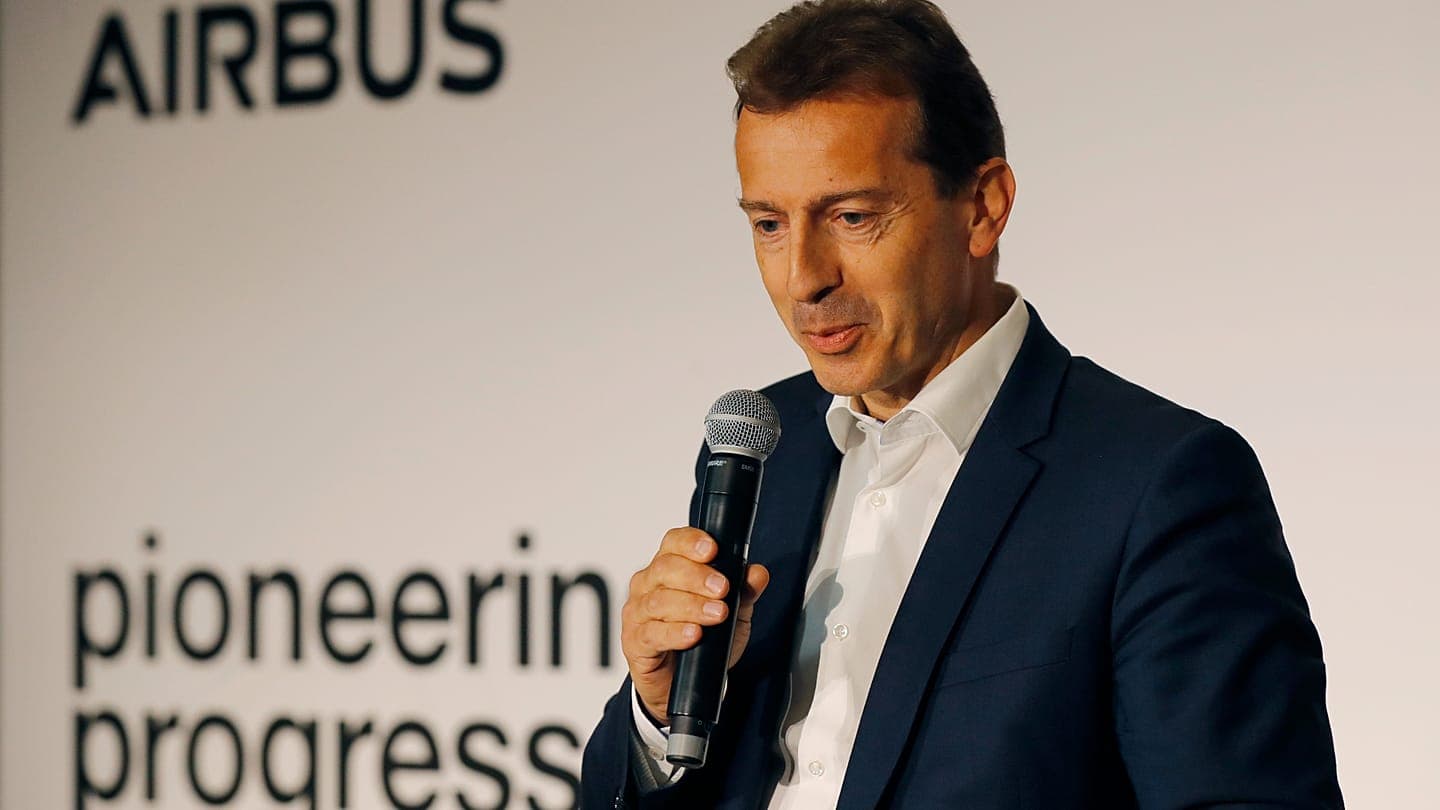
Airbus CEO Guillaume Faury said at a media briefing that joining the Global Combat Air Programme (GCAP) — a joint project of the United Kingdom, Japan and Italy — is one of the 'potential' solutions for Europe in the field of sixth-generation fighter jets, but he stressed that other options exist. This was reported by euronews.
Context: the failure of the Franco-German project
Airbus represented Germany and Spain in the Franco-German scheme, which fell apart amid disputes over the aircraft's design. Attempts to create a joint fighter finally failed in June: Dassault Aviation, representing France, could not agree on the project with Airbus and the Bundeswehr. Now Dassault, together with the French state, is developing its own aircraft to replace the Rafale.
What is known about GCAP
The three GCAP participants have already allocated more than $5.5 billion (€4.7 billion) for development and expect to put the fighter into service by 2035. Canada joined the programme as an observer. According to Faury, the German government is already in contact with other countries about possible partnerships.
Airbus's position
Faury stressed that Airbus 'supports and works closely' with the governments of Germany and Spain on a next-generation fighter that 'must be built in Europe and for Europe.' According to him, the company remains convinced of the need for a European sixth-generation fighter precisely as a cooperative project and wants to be part of that solution. The final decision, he noted, must be made by the governments — 'preferably not too far in the future.' For now, this is only a statement by the company's chief executive: joining GCAP has not been adopted as a decision, and negotiations and the choice of an option remain with the states.