The key facts
- On October 28, Merz and Takaichi discussed expanding cooperation between Berlin and Tokyo in defense and technology
- GCAP (the UK, Japan, Italy) aims for a combat-ready fighter by 2035
- Japan expects an answer from Germany by the end of the year; Merz did not confirm that a decision is possible within such a timeframe
Talks in Berlin
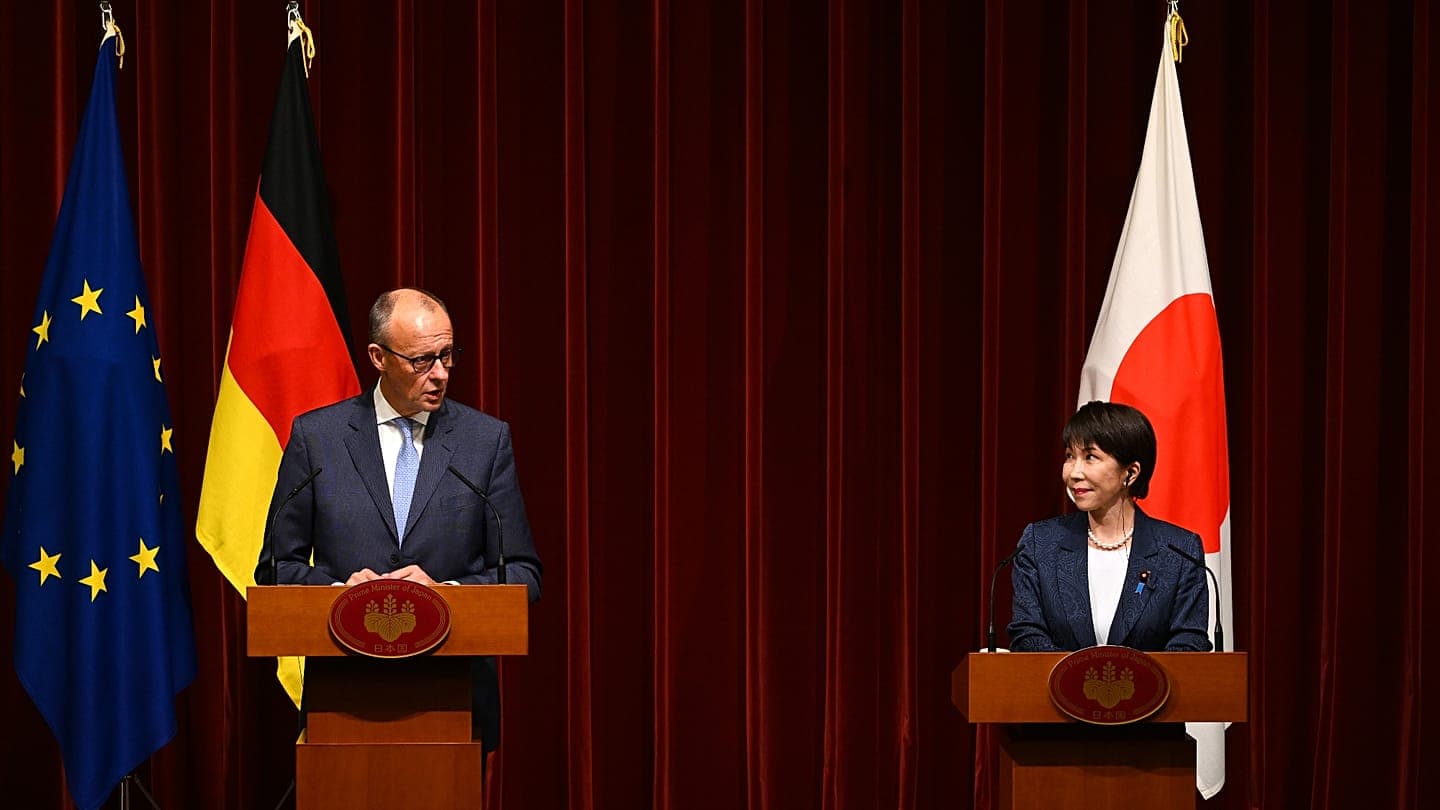
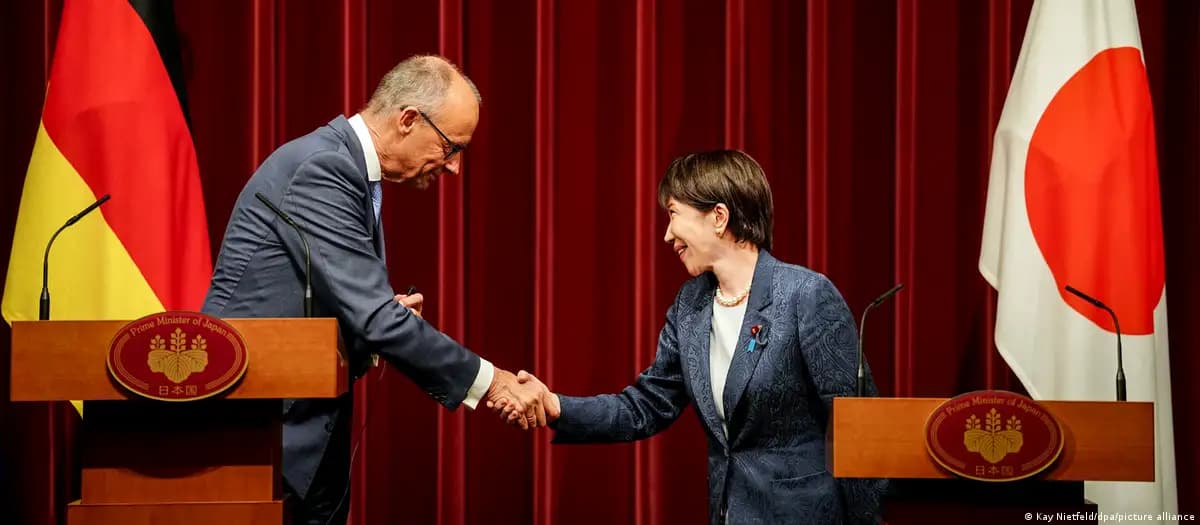
On October 28, German Chancellor Friedrich Merz, after a meeting with Japanese Prime Minister Sanae Takaichi, said the two countries are considering possible cooperation in the field of fighter jet development. According to Kun.uz, during the visit Berlin and Tokyo agreed to expand cooperation in the areas of economic security, advanced technologies and defense. Takaichi supported defense cooperation with Germany, emphasizing the importance of the two countries' contribution to international peace and stability.
What is GCAP and why the question has arisen now
We are talking about the GCAP programme (Global Combat Air Programme), under which the United Kingdom, Japan and Italy are developing a sixth-generation combat aircraft; according to Reuters, it is planned to be brought into combat use by 2035. In early October, British Prime Minister Andy Burnham proposed that Germany join the programme. This came after reports of the failure of the European FCAS project, in which Germany, France and Spain were involved: according to Reuters, the key disagreements there concerned the shares of German and French companies in the development. According to the dpa news agency, other options are also being discussed for Germany, including cooperation with Airbus and the Swedish defense concern Saab.
Conditions of participation and the deadline for a response
Merz noted that a number of industrial agreements on GCAP have already advanced considerably, so it is necessary to examine separately on what terms Germany could join the project. In his words, Europe should reduce the number of different combat systems and increase the volume of arms production, and large-scale production will in the future decisively affect the price of fighter jets; he called the participation of several major states in GCAP a possible argument in favor of such cooperation. Japan would like to receive an answer from Germany by the end of the year, but Merz said he cannot yet confirm that Berlin is able to make a decision in such a short time. A detailed account of the talks is also given in a DW article on Germany and Japan exploring opportunities for joint work within GCAP.