The key facts
- At least 30 killed in a collision between Renfe and Iryo trains near Urda; the death toll may rise
- Traffic on the main Madrid–southern Spain high-speed line has been suspended
- The disaster came a month before the snap elections on 29 November and after the January crash near Adamuz that killed 46 people
Collision near Urda
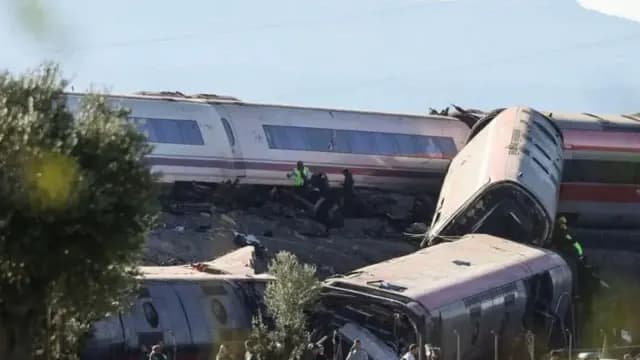
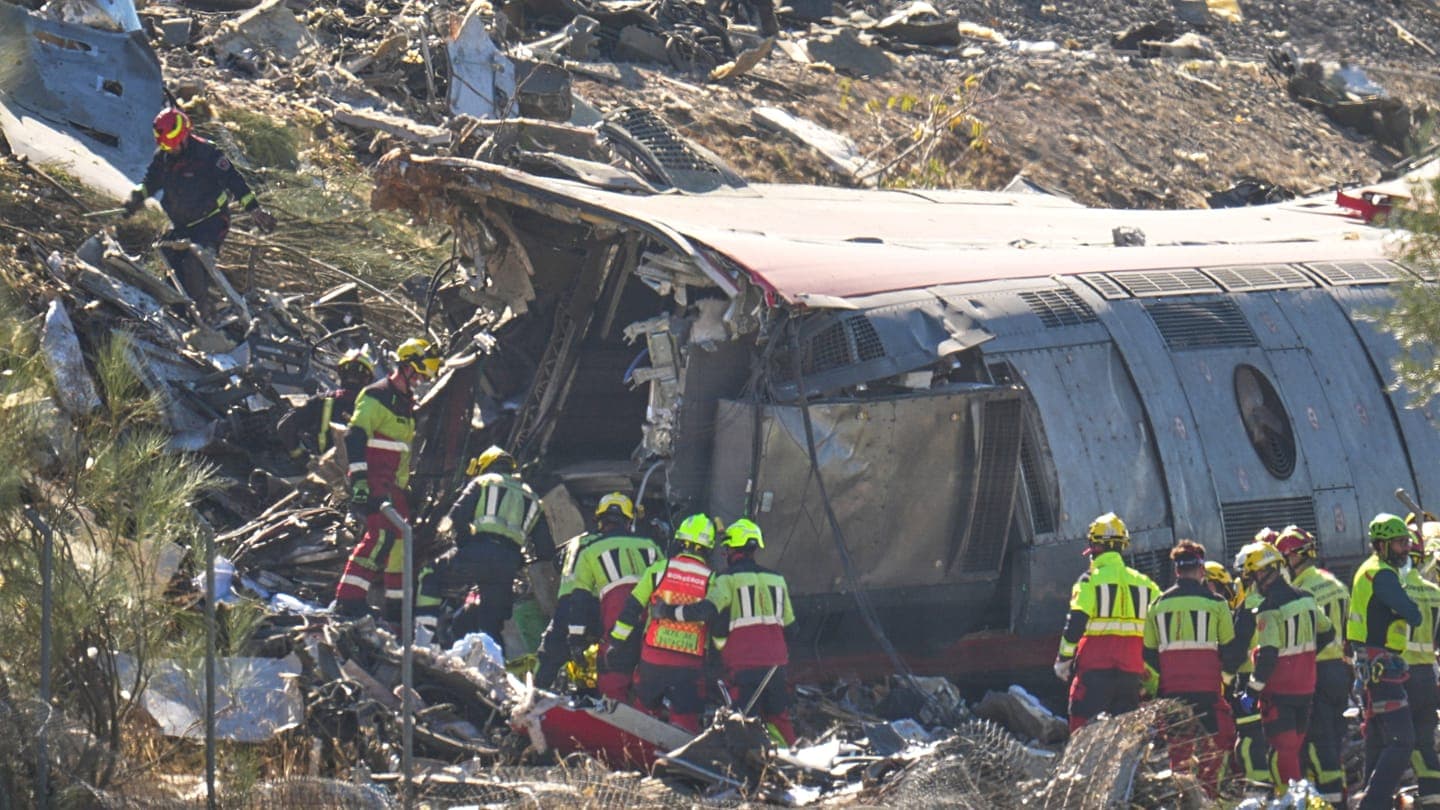
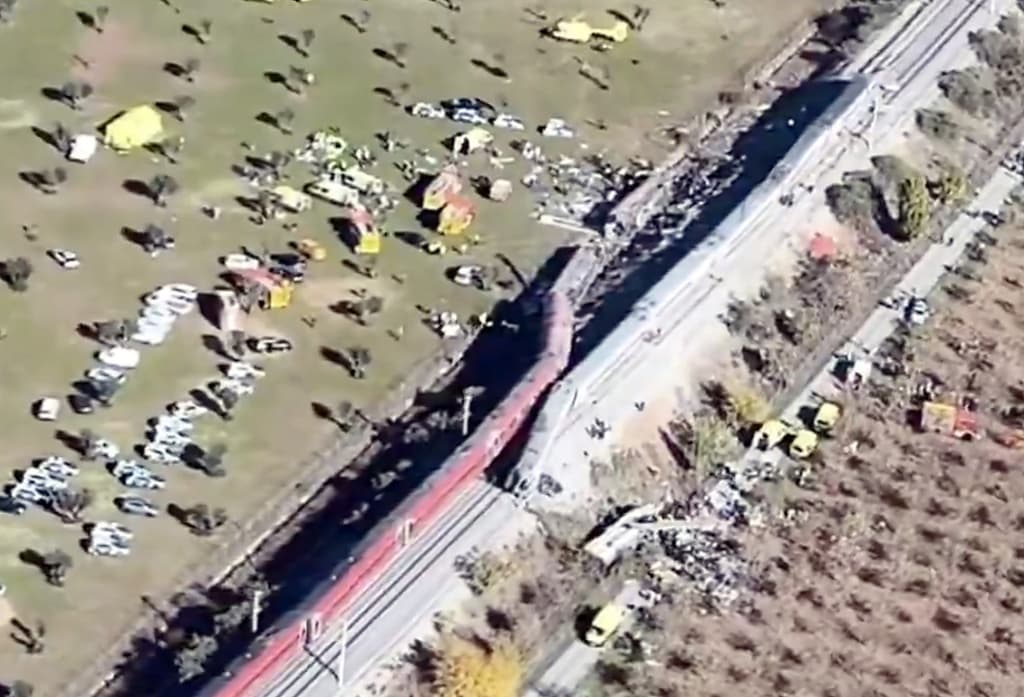
On the morning of 28 October, shortly before 9:00 local time (08:00 GMT), two high-speed trains collided in the municipality of Urda, roughly 130 km south of Madrid. According to the authorities of the Castilla-La Mancha region, as relayed to the AFP news agency, at least 30 people were killed — a figure double the initially reported toll of 10 victims. The authorities have not yet given any estimate of the number of injured, and the regional government's delegate, Esther Padilla, told the local television channel CMM that the death toll may rise.
Reaction and suspension of services
The state operator Renfe confirmed that one of its trains collided with a train operated by the private Spanish company Iryo, and announced the suspension of services on the main high-speed line from Madrid to southern Spain. Several fire crews, three helicopters and two resuscitation teams were working at the scene, an emergency services spokesperson said. Prime Minister Pedro Sánchez wrote on X that he was shocked by the incident, cancelled his participation in an obesity summit in Madrid, and his Socialist Party suspended its entire election campaign. Condolences were expressed by the Spanish royal household, European Commission President Ursula von der Leyen and French President Emmanuel Macron.
Second disaster in a year on the same line
The accident was the second such incident in Spain within a year: in January, a collision between two high-speed trains near the village of Adamuz killed 46 people — the deadliest rail disaster in the country since the train derailment near Santiago de Compostela in 2013, in which 80 people died. Both of this year's accidents occurred on the Madrid–Seville line, Spain's first high-speed railway, opened in 1992 for the World's Fair in Seville. Spain's high-speed network, the second longest in the world after China's, is considered a matter of national pride, and the January disaster had already raised sharp questions about rail safety. The disaster came a month before the snap elections on 29 November, in which Sánchez, who had previously faced harsh criticism after the first accident, is trying to reverse unfavourable opinion polls.